The word ‘Cautious’ is an adjective that describes a careful, thoughtful way of acting—often to reduce the chance of mistakes, harm, or danger. In this guide, you’ll learn the full definition, synonyms, antonyms, etymology, and real-life examples of how to use ‘Cautious’ correctly in everyday writing and conversation.
Cautious Explained in Depth
A complete and detailed guide to the word Cautious, including meaning, definition, examples, etymology, synonyms, and antonyms.
Meanings of Cautious
‘Cautious’ means being careful to avoid problems or dangers. It suggests alertness, prudence, and restraint before taking action—especially when the outcome is uncertain or potentially risky.
Definition
Cautious (adjective): showing care and thoughtfulness to avoid potential problems, harm, or mistakes; not acting quickly or impulsively.
Etymology
The word ‘Cautious’ comes from the Latin root cautus, related to cavēre “to beware.” Through older forms meaning “watchful” or “careful,” it entered English in the early 17th century and has long carried the idea of prudence and restraint.
Example Sentences
- She was cautious about sharing her personal information online.
- The team took a cautious approach during the first round of testing to avoid errors.
- He gave a cautious response during the interview to avoid committing to something he couldn’t support.
- Investors stay cautious when market news is unclear and volatility is high.
- Her cautious driving in the rain helped prevent an accident.
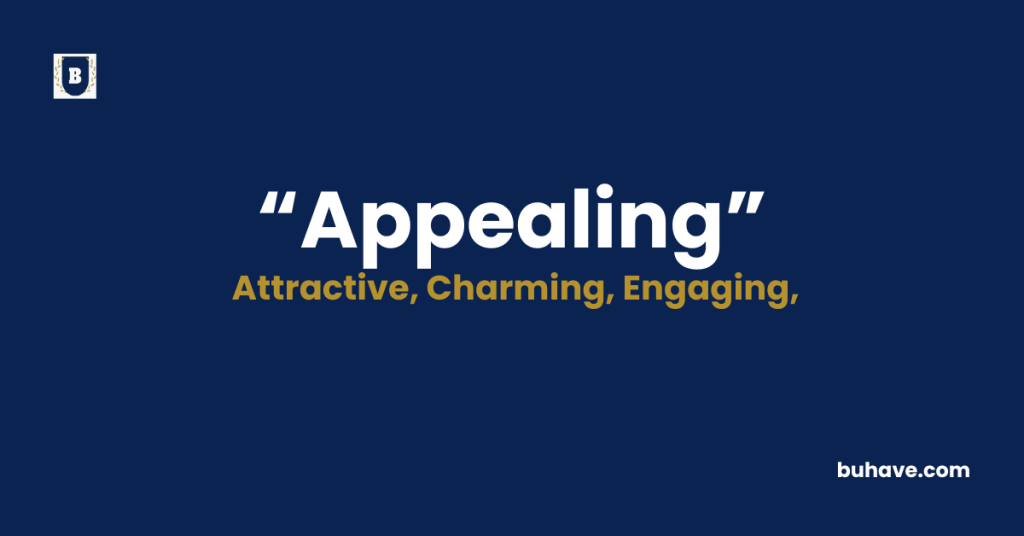
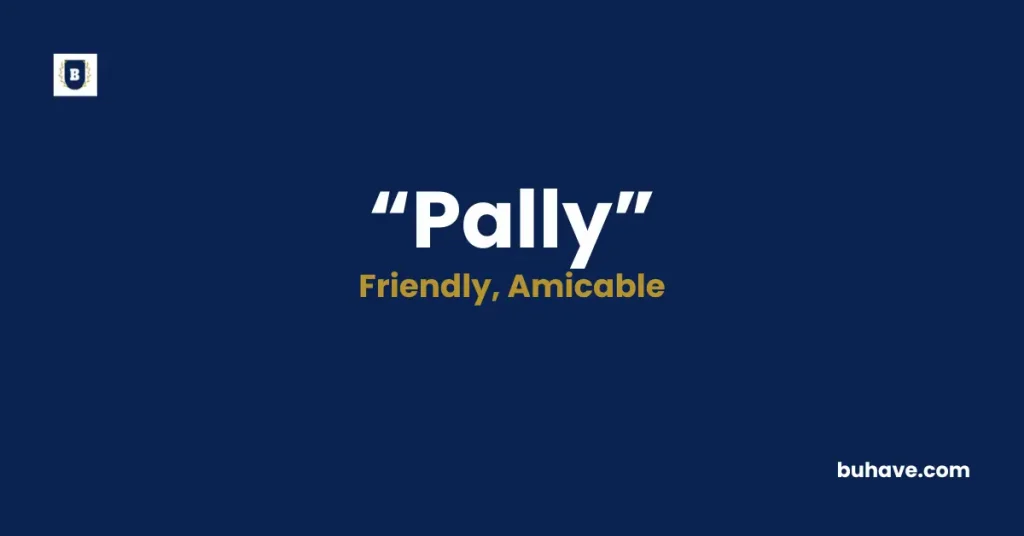
Cautious Synonyms
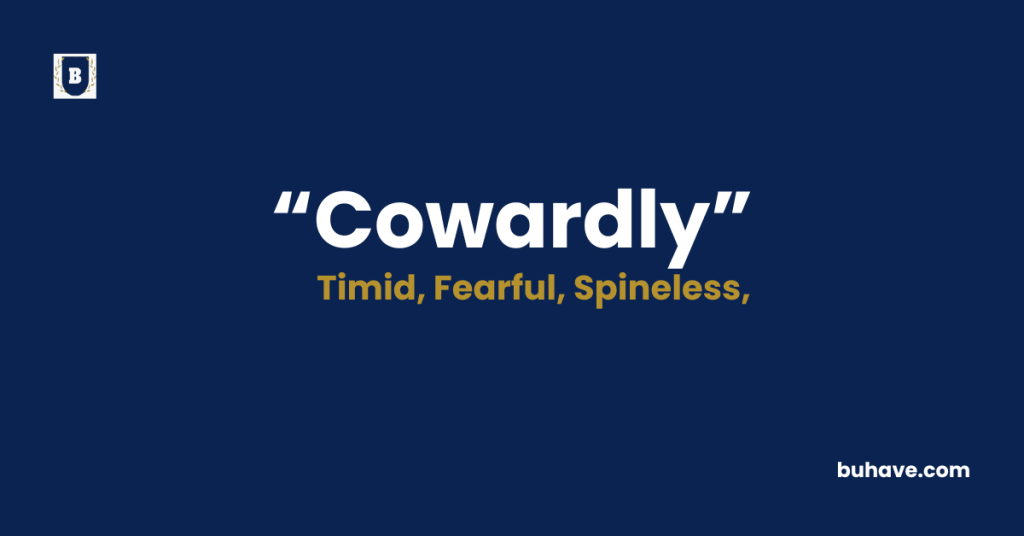
Cautious Antonyms
- Reckless
- Careless
- Bold
- Impulsive
- Hasty
- Unthinking
- Daring
- Rash
- Heedless
- Unwise
FAQs about Cautious
Here are some Frequently Asked Questions (FAQs) about the word “Cautious”
1. Is being cautious a good trait?
Yes, especially when it helps avoid risks or errors. However, excessive caution can sometimes slow progress or lead to missed opportunities.
2. How is ‘cautious’ different from ‘careful’?
They are similar, but ‘cautious’ emphasizes alertness to danger or uncertainty, while ‘careful’ often suggests precision, thoroughness, or attention to detail.
3. Can ‘cautious’ describe someone’s personality?
Yes. A cautious person tends to think things through and avoid risky behavior, especially when the consequences aren’t clear.
4. Is ‘cautious’ used in formal writing?
Yes. You’ll often see it in reports, research discussions, and professional communication when describing prudent decision-making.
5. Can cautiousness be learned?
Absolutely. Many people become more cautious through experience, feedback, and learning from past mistakes.
6. What’s a natural way to use ‘cautious’ in the workplace?
You can pair it with actions and outcomes, such as “take a cautious approach” or “remain cautious about assumptions” when new information is still incomplete.