
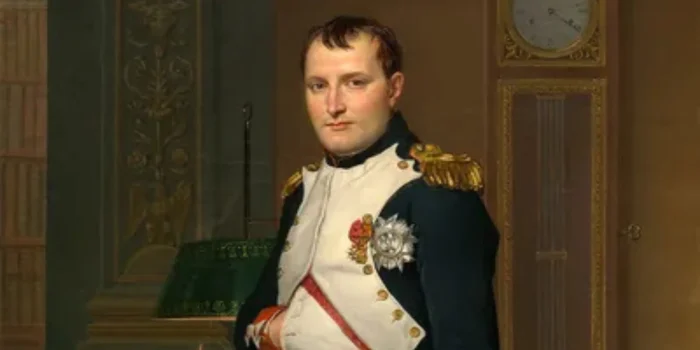
Napoleon Bonaparte Biography
Napoleon Bonaparte was one of the most influential military leaders and political figures in world history. Rising from modest beginnings, he became Emperor of France and reshaped Europe through warfare, reform, and law. His legacy continues to influence modern politics, military strategy, and legal systems.
Who Was Napoleon Bonaparte?
Napoleon Bonaparte was a French military commander and statesman who rose to prominence during the French Revolution. He became Emperor of France in 1804 and ruled much of continental Europe at the height of his power.
Known for his strategic brilliance and ambition, Napoleon left a lasting mark on global history despite his eventual downfall.
Early Life and Background
Napoleon was born on August 15, 1769, on the island of Corsica, shortly after it was annexed by France. His family belonged to the minor nobility, which allowed him access to military education.
He attended military schools in France and excelled in mathematics and artillery, skills that later contributed to his battlefield success.
Rise During the French Revolution
The French Revolution provided Napoleon with an opportunity to rise rapidly through the military ranks. His success in defending the French government against internal threats and his victories in Italy brought him national fame.
By 1799, Napoleon seized power in a coup d’état, becoming First Consul of France and effectively ruling the nation.
Becoming Emperor of France
In 1804, Napoleon crowned himself Emperor of the French, signaling the consolidation of his authority. Under his rule, France expanded its influence across Europe through a series of military campaigns known as the Napoleonic Wars.
At its peak, Napoleon’s empire controlled much of Western and Central Europe.
Military Campaigns and Strategy
Napoleon is widely regarded as one of history’s greatest military strategists. His ability to mobilize large armies, move quickly, and exploit enemy weaknesses revolutionized warfare.
However, costly campaigns particularly the invasion of Russia in 1812—marked the beginning of his decline.
The Napoleonic Code and Reforms
Beyond warfare, Napoleon implemented significant reforms. The most notable was the Napoleonic Code, a legal framework that emphasized equality before the law, protection of property rights, and secular governance.
This code influenced legal systems in many countries and remains one of Napoleon’s most enduring achievements.
Downfall and Exile
After a series of military defeats, Napoleon was forced to abdicate in 1814 and was exiled to the island of Elba. He returned briefly to power during the Hundred Days before being defeated at the Battle of Waterloo in 1815.
Following this final defeat, he was exiled to the remote island of Saint Helena.
Death and Final Years
Napoleon Bonaparte died on May 5, 1821, at the age of 51. The cause of his death has been debated, though stomach cancer is widely accepted.
In 1840, his remains were returned to France and buried in Paris, reflecting his lasting significance to French history.
Legacy and Historical Impact
Napoleon’s influence extends far beyond his lifetime. He reshaped European borders, modernized government administration, and inspired both admiration and controversy.
Historians continue to debate whether he was a hero of reform or an ambitious conqueror, but his role in shaping the modern world is unquestionable.
Frequently Asked Questions (FAQs)
Who was Napoleon Bonaparte?
Napoleon Bonaparte was a French military leader and emperor who ruled much of Europe in the early 19th century.
When was Napoleon born?
He was born on August 15, 1769, in Corsica.
What is Napoleon famous for?
He is known for his military genius, the Napoleonic Wars, and the Napoleonic Code.
How did Napoleon die?
Napoleon died in exile on Saint Helena in 1821, likely from stomach cancer.
Why is Napoleon important in history?
His reforms, military strategies, and influence on European politics shaped modern history.
Conclusion
Napoleon Bonaparte remains one of history’s most complex and influential figures. His rise from obscurity to emperor, his sweeping reforms, and his dramatic fall continue to captivate historians and readers alike. His legacy lives on in law, leadership, and the lessons of ambition and power.