

The contemporary clinical day usually starts before the first patient arrives in the room and continues long after the last chart is closed. Phone calls pile up, schedules shift, paperwork accumulates, and patient care often competes with administrative demands. To maintain excellence and energy in such an environment, practices need systems that promote clarity, consistency, and efficiency.
Thoughtfully implemented AI solutions in healthcare are already redefining how communication, documentation, and billing are handled. These tools help clinicians focus more on patient care rather than clerical tasks. By reducing workflow friction—from the first phone call of the day to the final note written—practices become more sustainable, resilient, and aligned with professional well-being.
Five Foundations for a Smooth, Sustainable Clinical Workflow
Streamlined Documentation and Coding Alignment
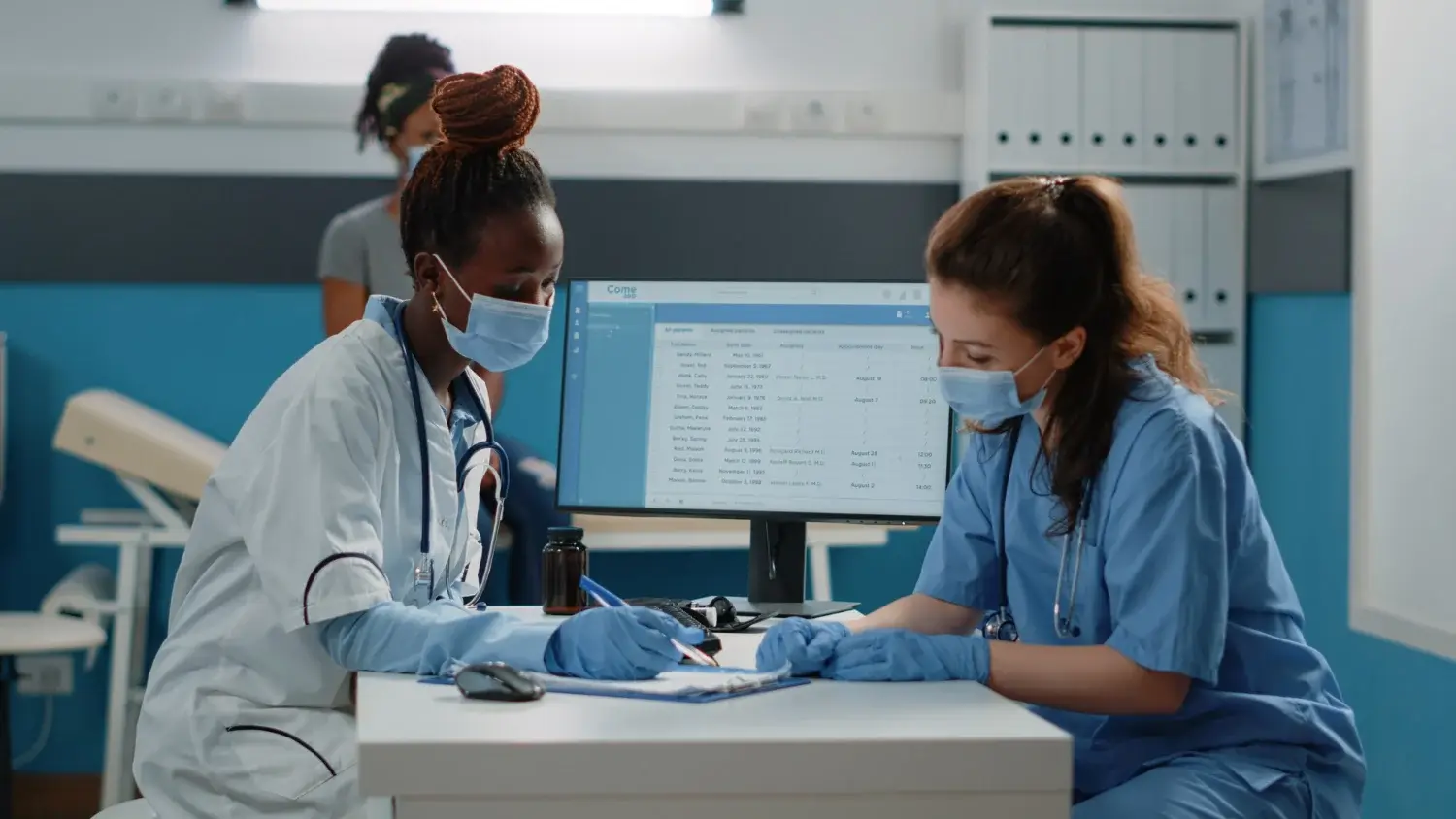
Accurate documentation is essential for compliance, revenue protection, and continuity of care. Incomplete notes and coding mismatches frequently create downstream stress for clinical teams. Combining structured templates with intelligent prompts ensures that clinical narratives capture all necessary information without unnecessary repetition. Charge capture is more precise and less time-consuming when the documentation tools match the software used for medical coding.
This alignment reduces the cognitive load involved in translating clinical discussions into billable codes. Computer-assisted recommendations based on encounter data can reduce missed modifiers and overlooked diagnoses. Clear coding protocols also lower claim denials and audit risks, helping practices avoid costly rework. With documentation systems designed for collaboration across coding processes, clinicians can complete notes and close charts with greater confidence.
Intelligent Scheduling and Call Management
The phone remains one of the most frequent sources of workflow interruption. Appointment confirmations, rescheduling requests, prescription questions, and insurance inquiries can easily disrupt concentration during the day. Smart scheduling systems that screen calls and automate routine requests can significantly reduce this disruption.
Electronic intake forms allow patients to complete paperwork before arriving at the clinic, while automated reminders help reduce no-show rates. Organized call routing directs urgent matters to the appropriate team members while placing routine requests into structured processes. Practices that prioritize communication systems often experience reduced staff burnout and more predictable daily schedules. Effective call management transforms chaotic interruptions into a manageable, systematic flow that allows clinicians to remain fully focused on patient care.
Real-Time Charting and Ambient Capture
Heavy documentation workloads often lead to end-of-day exhaustion. When notes accumulate after clinic hours, clinicians spend additional time on screens and sacrifice work-life balance. Real-time charting strategies, supported by ambient documentation tools, allow progress notes to be created alongside patient conversations.
Ambient systems capture relevant clinical information during the encounter and convert it into draft documentation. This reduces manual typing and allows clinicians to maintain eye contact and engagement with patients. Guided review of automatically generated drafts saves time that would otherwise be spent reconstructing conversations from memory. Completing documentation before the last patient leaves transforms evenings previously spent on administrative tasks into genuine rest time, protecting both mental focus and personal well-being.
Data Visibility and Performance Insight
Operational transparency is critical for a smoothly functioning practice. Without clear visibility into claim acceptance rates, appointment utilization, documentation delays, and patient throughput, inefficiencies can remain hidden. Operational dashboards that consolidate practice data into accessible insights allow leaders to identify bottlenecks early.
Tracking documentation turnaround times reveals whether notes are consistently completed on the same day. Monitoring claim denial patterns highlights areas that require coding improvements. Reviewing scheduling trends can uncover overbooking or underutilization. When performance data is actionable rather than overwhelming, improvement initiatives become more focused and sustainable. Evidence-based adjustments help prevent stress from escalating into burnout.
Defined Boundaries and Sustainable Workflows
Even the most efficient systems cannot eliminate burnout without clear boundaries. Establishing dedicated documentation time blocks helps prevent charting from spilling into evenings. Clear escalation pathways allow urgent concerns to be addressed quickly without disrupting daily operations.
Encouraging shared responsibility across team members distributes workload more evenly. Standard operating procedures for common tasks—such as refill requests, referral coordination, and insurance verification—reduce decision fatigue. Cross-training staff members also prevents overreliance on a single individual, improving flexibility during absences. When roles and responsibilities are clearly defined, teams experience less uncertainty and greater confidence in their workflows.
End Point
From the first phone call of the morning to the final chart of the day, sustainable practice management depends on consistent documentation, intelligent communication systems, real-time charting, transparent performance insights, and clearly defined boundaries. When workflows are designed to reduce friction rather than add complexity, clinicians can regain focus, restore energy, and rediscover professional satisfaction.
Practice excellence grows alongside operational excellence when healthcare environments remain humane, compliant, and sustainable—supporting both patient care and the well-being of those who provide it.