Overview
AI tools for yoga practice are expanding access to wellness by offering personalized guidance, real-time posture correction, and progress tracking. These tools fuse artificial intelligence with computer vision and wearable sensors to assist practitioners in real time. They tailor routines based on skill level, health conditions, and goals, making yoga safer and more effective. When paired with AI-driven meditation and breathing guidance, users get a comprehensive mind-body experience. Whether you’re just starting out or are an experienced practitioner, AI-powered yoga apps and platforms deliver convenience, motivation, and customized practices for better flexibility, balance, and overall well-being. For broader mindfulness support, AI tools for mind relaxation can complement yoga practice.
1. AI for Personalized Yoga Routines
AI analyzes user health data and goals to create customized yoga plans. Beginners receive simpler routines, while advanced users get challenging sequences tailored to their needs. These plans can be tracked and refined with data from AI tools for workout tracking to monitor improvements over time.
2. AI in Real-Time Posture Correction
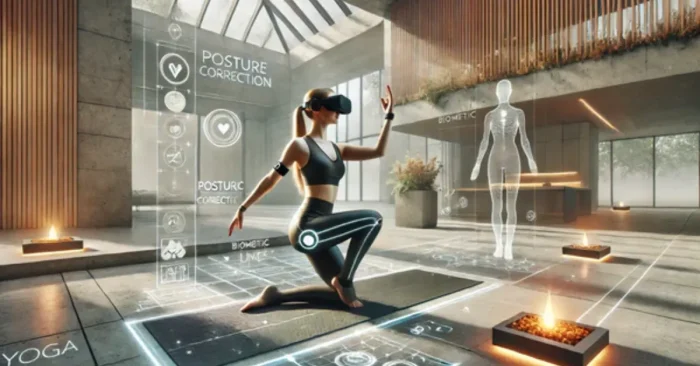
Using computer vision, AI monitors body alignment during poses. It provides instant feedback to reduce injury risk and improve accuracy in every yoga session. Real-time posture correction is a common feature in AI tools for fitness trainers.
3. AI for Breathing & Meditation Guidance
AI guides breathing techniques and mindfulness exercises. These tools enhance relaxation, lower stress, and support a holistic yoga experience beyond physical postures. For broader mindfulness support, see AI tools for mind relaxation.
4. AI-Integrated Wearable Devices
Smartwatches and fitness bands with AI track heart rate, breathing, and movement. They provide insights to optimize yoga practice and measure progress effectively. Wearable data can also feed into AI tools for athlete performance to benchmark training.
5. AI Yoga Apps for Beginners
Apps powered by AI offer video tutorials, step-by-step guidance, and progress tracking. They make yoga learning accessible for newcomers at home or anywhere.
6. AI in Virtual Yoga Classes
AI supports live online yoga classes with interactive guidance. Participants receive corrections and personalized adjustments, simulating an in-person instructor experience. Instructors may also use AI tools for fitness trainers to tailor class planning.
7. AI for Injury Prevention
AI analyzes posture and movement patterns to detect risky positions. This helps prevent injuries and ensures safer practice for all age groups. This approach can align with AI tools for rehabilitation exercises used in therapy-informed movement.
8. AI in Yoga Progress Tracking
AI records user performance over time, highlighting improvements in flexibility, balance, and strength. It keeps practitioners motivated with measurable results. These insights are similar to progress-tracking features in AI tools for athlete performance.
9. AI for Multi-Language Support
AI-powered yoga platforms provide instructions in multiple languages, making global access easier and more inclusive for practitioners worldwide. Non-native speakers can also benefit from AI tools for meditation apps that offer multilingual guidance.
10. AI in Hybrid Yoga Experiences
AI bridges online and offline yoga by integrating AR and VR. Practitioners can join immersive sessions that combine real-world and virtual environments.
(FAQs)
Q1: Can AI replace a yoga teacher?
No, AI assists with guidance but human teachers provide deeper connection, emotional support, and personalized mentorship.
Q2: Do I need special equipment for AI yoga?
Not always. A smartphone or laptop with a camera is enough, though wearables enhance feedback and tracking.
Q3: Is AI yoga suitable for beginners?
Yes, AI tools provide step-by-step guidance, making it easier for beginners to learn yoga safely and effectively.
Learn more about the AI course AI course details.