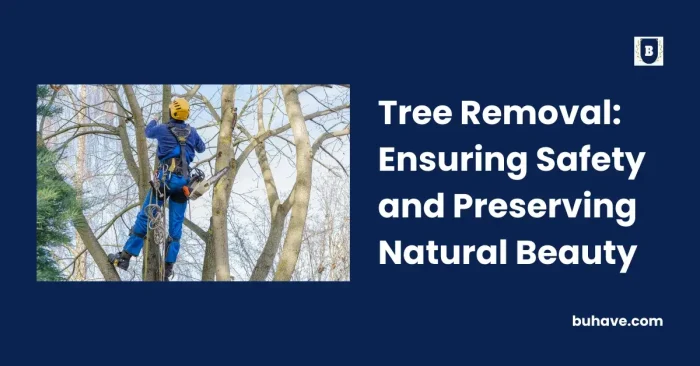
Tree removal plays a key role in landscape management, especially in Sandy, where sandy soil and shifting conditions require careful planning. While trees offer shade, beauty, and wildlife habitat, there are times when removing a tree is the most responsible option to protect people, property, and the local ecosystem.
This article explores the reasons for tree removal in Sandy, the challenges faced, and the importance of responsible tree removal practices to preserve the natural beauty of Sandy. For broader landscape planning insights, see How Memorial Garden Helps Loved Ones Process Their Grief.
Reasons for Tree Removal
Hazardous Trees: Trees that are diseased, damaged, or structurally compromised can pose a significant risk to nearby structures, pedestrians, and vehicles. Sandy soil, known for its low moisture retention, can exacerbate this issue by weakening the root system’s stability, making trees more susceptible to wind and storm damage.
Overcrowding and Space Constraints: In urban and suburban areas of Sandy, trees planted too closely together or in inadequate spaces can lead to overcrowding. Overcrowded trees can compete for vital resources, such as sunlight, nutrients, and water, resulting in stunted growth and decreased overall health.
Invasive Species: Sandy areas are not immune to invasive tree species that can outcompete native trees, leading to a decline in biodiversity and ecological imbalance. Removal of invasive species is crucial to maintaining the health and integrity of the local ecosystem.
Construction and Development: As Sandy experiences growth and development, there are instances where tree removal becomes necessary to accommodate infrastructure projects, such as roads, buildings, and utility lines. It is crucial to strike a balance between development and preserving the natural landscape.
Challenges of Tree Removal in Sandy
Soil Instability: Sandy soil is characterized by its loose texture and low water retention capability, making it prone to erosion. When removing trees, the soil may become even more destabilized, potentially leading to erosion, especially if proper erosion control measures are not implemented.
Shallow Root Systems: Sandy soil often offers less anchorage for tree roots compared to other soil types. This shallow root system makes trees more susceptible to wind damage and can complicate the process of removing them safely.
Environmental Impact: Sandy areas are often home to unique flora and fauna adapted to the specific ecosystem. Indiscriminate tree removal without considering the impact on the surrounding environment can disrupt the balance and threaten the habitat of local wildlife.
Responsible Tree Removal Practices
Professional Assessment: Engage the services of certified arborists or tree removal experts to assess the condition of trees and determine if removal is necessary. Their expertise ensures a proper evaluation of tree health, potential risks, and the need for removal. Check out total tree fella for professional services. For landscape planning ideas and garden maintenance tips, see 5 Time-Saving Tips and Tricks for a Thriving Garden.
Permits and Regulations: Check local regulations and obtain any necessary permits before proceeding with tree removal. This helps ensure compliance with environmental guidelines and promotes responsible land management.
Erosion Control: Implement erosion control measures during and after tree removal to prevent soil erosion and minimize the negative impact on the surrounding area. Techniques such as mulching and the planting of native vegetation can aid in stabilizing the soil.
For disposal planning during projects, see Common mistakes to avoid when renting a dumpster.
Tree Replacement and Preservation: Whenever possible, consider replanting new trees to maintain the aesthetic and environmental benefits of the area. Prioritize preserving healthy trees and exploring alternatives to removal, such as pruning or crown reduction, when appropriate.
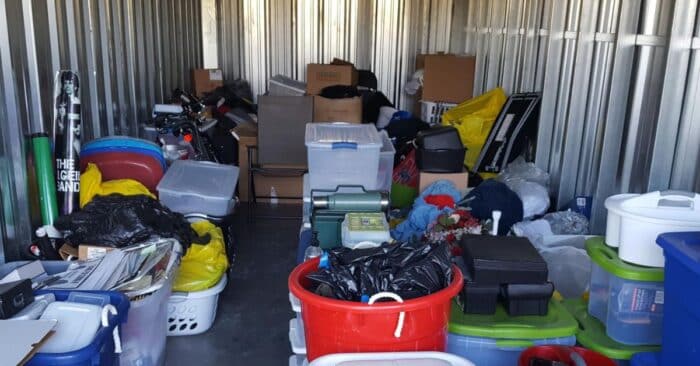
Construction and Development: As Sandy experiences growth and development, there are instances where tree removal becomes necessary to accommodate infrastructure projects, such as roads, buildings, and utility lines. It is crucial to strike a balance between development and preserving the natural landscape. During active projects, consider storage and material management strategies, including self-storage options; see 8 Reasons Why Self-Storage is a Must When Remodeling.
Challenges of Tree Removal in Sandy
Soil Instability: Sandy soil is characterized by its loose texture and low water retention capability, making it prone to erosion. When removing trees, the soil may become even more destabilized, potentially leading to erosion, especially if proper erosion control measures are not implemented.
Shallow Root Systems: Sandy soil often offers less anchorage for tree roots compared to other soil types. This shallow root system makes trees more susceptible to wind damage and can complicate the process of removing them safely.
Environmental Impact: Sandy areas are often home to unique flora and fauna adapted to the specific ecosystem. Indiscriminate tree removal without considering the impact on the surrounding environment can disrupt the balance and threaten the habitat of local wildlife.
Conclusion
Tree removal in Sandy, like in any other region, must be approached with careful consideration of both safety and environmental factors. By understanding the reasons for removal, the challenges unique to sandy soil, and employing responsible practices, we can ensure that tree removal in Sandy prioritizes safety, preserves natural beauty, and supports ecological integrity. When planning landscape changes that include memorial or commemorative spaces, thoughtful design can balance remembrance with conservation—see How Memorial Garden Helps Loved Ones Process Their Grief.
– If you are looking for guest posts write for us lifestyle now.