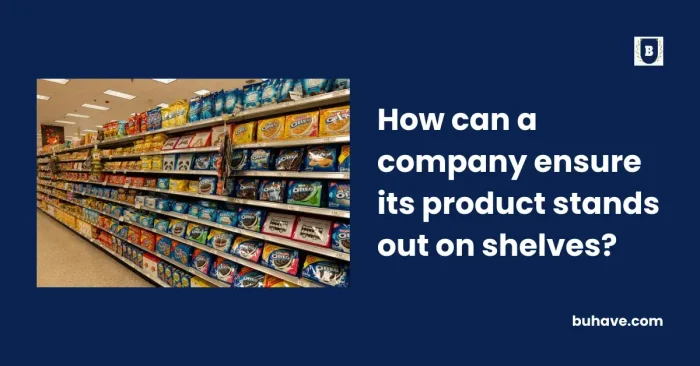
The world of retail is highly competitive. If you’re promoting a product, you want packaging that differentiates you on crowded shelves. One proven approach is effective 3D packaging design, which helps visualize how your packaging appears from every angle and streamline design iterations. This article guides you through strategies to make your packaging truly stand out on shelves.
The Importance of First Impressions: Why Packaging Matters
People often decide if they like something within seconds of seeing it. That’s why a strong first impression is crucial. The package is usually the first thing a customer sees. Good packaging can make people want to know more about the product. It acts like a silent salesperson, selling your product when you’re not there to do it yourself. Also, consider how your package looks beside others. Does it pop? Does it make people want to pick it up? These are questions you need to answer when thinking about how your packaging can stand out.
Visual Appeal: Catching the Customer’s Eye
Colors, shapes, and graphics play a big role in how a package looks. Bright colors can grab attention, but they should also match the product. For example, earthy tones may suit organic or natural products, while bold colors may be better for something fun and new. Shapes also matter; unique shapes can make a product more interesting. But remember, it also has to be practical. A weird shape that’s hard to carry won’t help sales. Graphics and images can show off the product or tell its story. They should be clear, high-quality, and relevant to what you’re selling. If you’re testing concepts, printing a few prototypes can help you evaluate on real shelves; see Print Your Own Boxes to Boost Your Business for practical guidance.
Information and Transparency: What Customers Need to Know
Once the package has caught someone’s eye, the next step is to keep their interest. The package should give enough information to help customers make a choice. This includes the product’s features, how to use it, and any benefits like being eco-friendly or made locally. However, too much text can be overwhelming. Balance is key. Use simple language that anyone can understand. Being open and honest about what’s inside the package can also build trust, which is crucial for any brand. Transparency is not just a buzzword; it’s something shoppers truly value. This is where sustainability information and clear labeling can make a difference; see Boost Your Business with Sustainability for practical guidance.
Innovation and Trends: Staying Ahead of the Curve
The world is always changing, and today’s favorites may be outdated tomorrow. That’s why it’s important to keep up with trends. Eco-friendly packaging remains a strong driver, appealing to environmentally conscious customers. Limited edition packaging can create excitement and urgency. Technology helps too, with features like QR codes or AR experiences that let customers learn more about the product. By staying aware of trends and being willing to adapt, you can keep your packaging fresh and interesting. Tools like the AI Packaging Design Tool can help you brainstorm and iterate concepts quickly.
Adobe states, “3D tools can provide a great bump in efficiency at the design iteration stage. When an entire packaging design can be tweaked simply by adjusting a slider, for instance, and when that design can be accurately visualized in 3D, designers can communicate proposals clearly and effectively, in real-time.”
Getting your product to stand out on shelves is not just luck; it results from careful planning and design. From making a strong first impression to keeping up with trends, each step is a chance to win customers. Remember, your package is not just a box or a bag; it’s the first experience someone will have with your product. Make it a good one, and you’re much more likely to see that product move from the shelf to the shopping cart. For practical packaging improvements, see Print Your Own Boxes to Boost Your Business.
– If you are looking for guest posts, Write for us today.