Overview
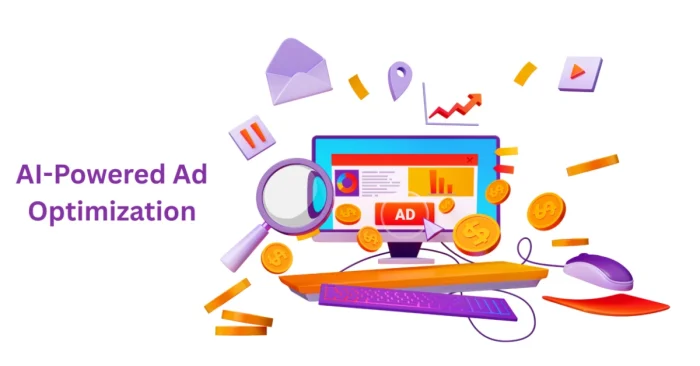
AI-driven ad optimization is reshaping digital marketing by helping brands maximize return on ad spend across channels. These platforms leverage machine learning, predictive analytics, and real-time data to spot top-performing ads, refine audience targeting, and allocate budgets efficiently. They automatically test variations in creatives, headlines, and formats to identify what drives engagement. They also surface insights into customer behavior, enabling rapid campaign adjustments. By continuously learning, AI optimization can boost click-through rates, conversions, and overall efficiency. For teams looking to stay competitive, exploring AI tools for digital ads can be a smart first step.
1. AI in Audience Targeting
AI identifies the most relevant audience segments based on demographics, interests, and behaviors, ensuring ads reach potential customers effectively and efficiently. It can also help identify lookalike audiences and optimize cross-device targeting, aligning with techniques described in our articles on AI Tools for Google Ads and AI Tools for Facebook Ads.
2. Automated A/B Testing
AI tools run multiple ad variations simultaneously, analyzing performance in real-time to select the best-performing versions for higher engagement and conversions.
3. Predictive Analytics for Ads
AI predicts which campaigns will succeed by analyzing past performance and customer data, allowing businesses to invest in ads with higher ROI. This approach is complemented by our coverage of AI tools for programmatic advertising, which optimize bidding and delivery in real time.
4. Budget Optimization
AI allocates ad spend smartly across channels and campaigns, ensuring maximum impact and preventing overspending on underperforming advertisements. This includes programmatic and display campaigns, with smoothing across channels via AI tools for programmatic advertising and AI tools for display advertising.
5. Real-Time Ad Performance Tracking
AI continuously monitors ad metrics, adjusting strategies instantly to improve results and maintain strong campaign performance at all times.
6. Personalized Ad Content
AI customizes ad creatives and messages for different audience groups, increasing relevance and driving stronger emotional connections with customers. For example, AI Ad Creative Generator Tools can help tailor messages and visuals for specific segments, see AI Ad Creative Generator Tools.
7. Multichannel Optimization
AI manages campaigns across platforms like Google, Facebook, and Instagram, ensuring consistent messaging and optimized performance across all channels.
8. Click-Through Rate (CTR) Improvement
By analyzing engagement patterns, AI suggests improvements to headlines, visuals, and placement, leading to significantly higher CTR and conversions. Techniques include leveraging AI Ad Creative Generator Tools to optimize variations in real time, see AI Ad Creative Generator Tools.
9. Fraud Detection in Ads
AI detects click fraud and invalid traffic, ensuring ad budgets are spent on genuine users rather than bots or malicious activity.
10. Data-Driven Insights
AI provides marketers with detailed reports and actionable insights, enabling smarter decision-making and continuous improvement of advertising strategies.
(FAQs)
Q1: Can AI completely manage ad campaigns?
AI can automate most tasks, but human input is still needed for creativity, strategy, and understanding brand voice. While AI handles many tasks, marketers should integrate with platforms like AI Tools for Google Ads and other networks for broader reach.
Q2: Are AI ad optimization tools expensive?
Many AI tools are affordable and scalable, making them suitable for both small businesses and large enterprises.
Q3: Do AI tools work for all ad platforms?
Yes, most AI ad optimization tools support multiple platforms, including Google Ads, Facebook, Instagram, and LinkedIn campaigns.