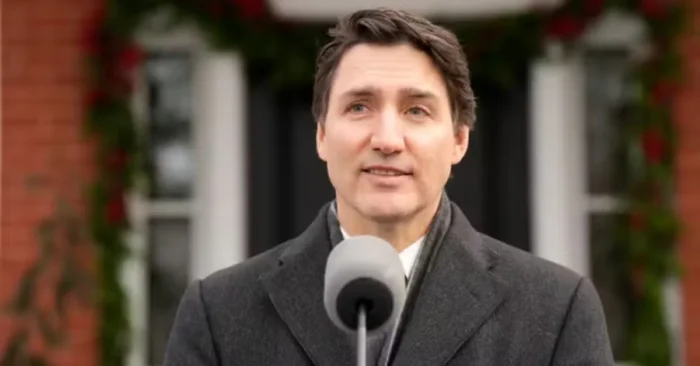
Justin Trudeau – Biography
Early Life and Education
Justin Trudeau was born on December 25, 1971, in Ottawa, Canada. He is the eldest son of Pierre Elliott Trudeau, Canada’s 15th Prime Minister, and Margaret Trudeau. Growing up in a family active in public service shaped his early interest in leadership. He attended Collège Jean-de-Brébeuf in Montreal and earned a Bachelor of Arts in literature from McGill University in 1994, followed by a Bachelor of Education degree at the University of British Columbia in 1998. These early experiences helped shape his commitment to public service and social causes. For a comparative look at leadership biographies, see Jacinda Ardern biography and Joe Biden biography.
Early Career and Public Engagement
Before entering politics, Justin Trudeau worked as a high school teacher in Vancouver and Montreal. He taught French, math, and drama, connecting deeply with his students. Alongside teaching, Trudeau was actively involved in social causes, focusing on education, mental health, and Indigenous rights. He also participated in public speaking and community outreach, which helped him develop strong communication skills and a genuine connection with people. These early roles laid a strong foundation for his future political career.
Entry into Politics
Justin Trudeau officially entered politics in 2008 when he was elected as the Member of Parliament for Papineau, a Montreal riding. His family legacy and fresh approach attracted wide attention. Over the next few years, Trudeau gained respect for his energy and vision within the Liberal Party. In 2013, he was elected leader of the party, positioning himself as a centrist focused on renewal and progress. His leadership brought new life to the Liberals and set the stage for a successful campaign in the 2015 federal election.
Prime Ministership and Key Achievements
In 2015, Trudeau led the Liberal Party to a strong victory, becoming Canada’s 23rd Prime Minister. His government prioritized economic growth, social fairness, and environmental action, including the Canada Child Benefit launched in 2016 to support families and reduce child poverty. He also invested in infrastructure, education, and healthcare, and prioritized Indigenous reconciliation while appointing a gender-balanced cabinet. He was reelected in 2019 to form a minority government. On the international stage, Trudeau emphasized climate action and collaboration with allies on trade and global issues, a focus that continues to shape Canada’s role abroad. For context on contemporary leadership, see Joe Biden biography and Jacinda Ardern biography.
Leadership Style and Public Image
Justin Trudeau is known for his warm, approachable leadership style. He connects with people through clear and honest communication and uses social media to engage directly with Canadians. Trudeau emphasizes empathy, diversity, and inclusion in his speeches and policies. Though he has faced political challenges, many admire his optimistic and progressive vision. His ability to blend traditional values with modern ideas has made him a unique and influential leader.
Personal Life and Interests
Trudeau is married to Sophie Grégoire Trudeau, a former TV host and mental health advocate. They have three children together. Trudeau enjoys outdoor activities such as hiking, skiing, and surfing, which reflect his active lifestyle. Despite the demands of political life, he values family time and often speaks about maintaining balance between work and home. His personal values of kindness and openness are reflected both in his private life and public service.
Legacy and Future Outlook
Justin Trudeau’s time as Prime Minister has been marked by efforts to modernize Canada and promote fairness and inclusion. His focus on social justice, environmental responsibility, and community support has helped shape the country’s future. While facing some controversies, his impact on Canadian politics remains strong. Trudeau continues to be an important voice, and his future role in politics or public service will be watched closely. His legacy centers on progress, unity, and hope for Canada.
Conclusion
Justin Trudeau’s journey from the son of a former Prime Minister to leading Canada shows his dedication, vision, and empathy. His progressive policies and focus on inclusion have helped reshape Canadian politics. Trudeau’s leadership connects with many Canadians, especially younger generations, and his influence will continue to shape the country’s future.
Frequently Asked Questions (FAQS)
Who is Justin Trudeau?
Justin Trudeau is Canada’s 23rd Prime Minister and leader of the Liberal Party.
When did Justin Trudeau become Prime Minister?
He became Prime Minister in November 2015 after leading the Liberal Party to victory in the federal election.
What are some key policies of Justin Trudeau?
His key policies focus on reducing child poverty, advancing Indigenous reconciliation, promoting gender equality, and fighting climate change.
What is Justin Trudeau’s leadership style?
He is known for being charismatic, inclusive, and transparent, with a strong focus on empathy and diversity.
Is Justin Trudeau married?
Yes, he is married to Sophie Grégoire Trudeau, and they have three children.