Toshiro Mifune – Biography
Early Life and Background
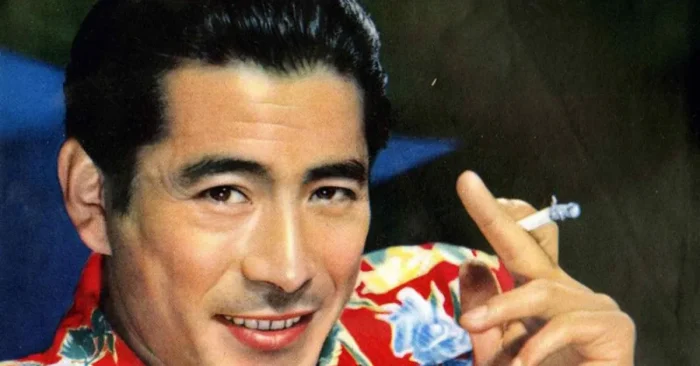
Toshiro Mifune was born on April 1, 1920, in Qingdao, China, to Japanese parents. His father was a photographer, and Mifune grew up in Manchuria, where he developed early technical skills working in his father’s studio. He moved to Japan after World War II, and although he initially had no interest in acting, he entered the Toho Studios’ “New Faces” audition as a favor to a friend. His intense presence and unique charisma impressed casting directors, setting him on a path to become one of Japan’s most iconic actors. His ascent is often discussed alongside contemporaries such as Takashi Shimura, whose Kurosawa collaborations helped define Japanese cinema.
Breakthrough with Kurosawa
Mifune’s decisive breakthrough came through his collaborations with Akira Kurosawa, beginning with Drunken Angel (1948). The film showcased his blistering energy and emotional intensity, catalyzing a long-running director-actor partnership that would yield sixteen films. Mifune became Kurosawa’s screen muse, delivering signature performances in Rashomon (1950), Seven Samurai (1954), and Yojimbo (1961). Through these roles, his physical presence and nuanced discipline helped elevate Japanese cinema on the world stage during the 1950s and 1960s.
Acting Style and Range
Toshiro Mifune was known for his commanding screen presence and emotional range. Whether portraying a stoic samurai, a desperate peasant, or a cynical bodyguard, he brought authenticity and intensity to every role. His physical expressiveness and ability to convey complex emotions without dialogue made him a favorite among directors. Mifune could shift effortlessly between genres, moving from historical epics to contemporary dramas. His roles often reflected themes of honor, masculinity, and inner turmoil, establishing him as one of cinema’s most versatile performers.
International Recognition
By the 1960s, Mifune’s fame extended beyond Japan, leading to international projects such as Red Sun (1971) with Charles Bronson and Hell in the Pacific (1968) with Lee Marvin. Hollywood took notice, though he remained selective, seeking roles that respected Kurosawa’s sensibilities. Despite language barriers, his magnetism helped bridge Eastern and Western cinema and inspired a new generation of actors, including Hiroyuki Sanada and Ken Watanabe. His performances influenced actors and directors worldwide, and he played a key role in shaping cross-cultural appreciation within world cinema.
Personal Life and Public Image
Mifune married Sachiko Yoshimine in 1950, and they had two children. Although his marriage faced challenges, including separation later in life, he remained deeply private. Known for his professionalism and occasional intensity on set, Mifune maintained a reputation for discipline and artistic commitment. Offscreen, he enjoyed photography, aviation, and quiet living. His rugged image on screen was balanced by a thoughtful, introspective nature. Despite his fame, he never sought celebrity status, preferring to let his work speak for itself across decades of acclaimed performances. His era and method continue to be examined by scholars and fans alike, alongside contemporary talents such as Arata Mackenyu Biography as part of the broader lineage of Japanese acting excellence.
Legacy and Death
Toshiro Mifune passed away on December 24, 1997, at the age of 77 due to multiple organ failure. His legacy remains deeply embedded in film history. His collaboration with Kurosawa is considered one of cinema’s greatest actor-director partnerships, often compared to De Niro and Scorsese. Mifune’s influence can be seen in portrayals of samurai and action heroes worldwide. In 2016, he was posthumously awarded a star on the Hollywood Walk of Fame. Toshiro Mifune is remembered not just as a Japanese icon, but as a global symbol of cinematic excellence, a lineage that continues to inform artists and audiences today, including generations of performers such as Arata Mackenyu Biography.
Frequently Asked Questions (FAQs)
What was Toshiro Mifune’s most famous role?
He is best known for his role as the wandering ronin in “Yojimbo” and the fearless leader in “Seven Samurai.”
How many films did Mifune and Kurosawa make together?
They collaborated on sixteen films, many of which are considered classics of world cinema.
Did Mifune ever work in Hollywood?
Yes, he appeared in several international films, including “Red Sun” and “Hell in the Pacific.”
Was Toshiro Mifune trained as an actor?
No, he had no formal acting training and was discovered after auditioning at Toho Studios post-WWII.
When did Toshiro Mifune die?
He died on December 24, 1997, at age 77, due to multiple organ failure.