
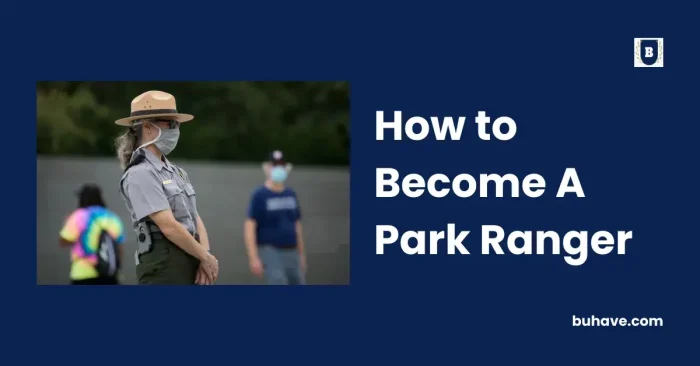
Duties of A Park Ranger
Park rangers operate primarily outdoors, protecting visitors and natural resources in parks, trails, and other public areas. They perform a range of duties that vary by assignment, shift, and location. Below is an overview of common responsibilities of a park ranger.
- Protect and ensure the safety and well-being of park visitors
- Monitor and patrol the ranger district, with focus on high-traffic areas like hiking trails and camping sites
- Lead tours as a local guide and answer questions about the park
- Educate visitors on fire safety and remind them of fire regulations near camping areas
- Coordinate search and rescue efforts for visitors in distress
- Demonstrate life-saving skills and guide visitors to safety during emergencies in camping areas
- Assist with administrative duties and enforce park rules as required by policy
- Educate visitors about keeping the park clean and minimizing pollution
Requirements To Become A Park Ranger
To pursue a Park Ranger position in the United States, applicants typically need a combination of education, physical fitness, and demonstrated commitment to public service. Park Rangers:
- You must be 21 years old
- An associate degree or bachelor’s degree is typically required
- Complete the online application on USAJOBS or the relevant federal/state site
- Pass all required tests, including written exams, physical tests, certifications, and medical screenings
- Pass the Physical Efficiency Battery (PEB)
- Complete the ranger training program
- Be able to work outdoors for extended periods in varying weather
- Demonstrate a genuine passion for nature and wildlife
- Be willing to work longer shifts or deployments in the park
- Exhibit strong communication and teamwork skills and maintain a positive attitude
STEPS TO BECOME A PARK RANGER
Park rangers are among the most critical public safety roles in America. If you’re planning a path toward a ranger career, here is a practical step-by-step guide:
Step 1: Education
Typically, a degree in natural science, forestry, wildlife biology, geography, or a related field is required; many applicants also pursue a bachelor’s degree to broaden job prospects. A bachelor’s degree is especially valuable for advancement. If you’d like to explore related safety careers, you can also consider resources like How To Become A Border Patrol Officer.
Step 2: Apply for a Job and Complete Training
After submitting an application on the agency’s website, candidates may face a series of assessments, including physical fitness tests, medical screenings, and background checks. Successful applicants often enter a formal training program at a designated park service training center. For example, the National Park Service operates training opportunities at various locations. If you’re curious about related public-safety training paths, see How to Become a Firefighter for a sense of the similar dedication and discipline required.
Step 3: Take the Test and Begin Work
After training, candidates may complete a field-assignment assessment and obtain a federal or state commission to begin work as a park ranger. Then, the new ranger starts their career and gains experience through on-the-job training and continued education. If you’d like related career paths in public safety, you can also explore How to Become a Firefighter, which covers rigorous training and commitment to public safety. For additional related roles, see How To Become an Animal Cop.
How Long Does It Take To Become A Park Ranger?
Typically, an associate degree requires about 2 years and a bachelor’s degree about 4 years. After earning the degree, applicants complete required entrance tests—physical, written, and background checks—and then participate in park ranger training. In total, many aspiring park rangers spend roughly 3 to 5 years pursuing the necessary education and credentials before starting in the field.
How Much Does A Park Ranger Usually Earn?
Salary for park rangers varies by location and experience. A typical salary range is from around $40,000 to $70,000 per year, with higher salaries in states with larger parks or higher costs of living. In some high-demand regions like California, Texas, and Alaska, salaries can be higher depending on grade level and seniority.
Learn how to become a paralegal