
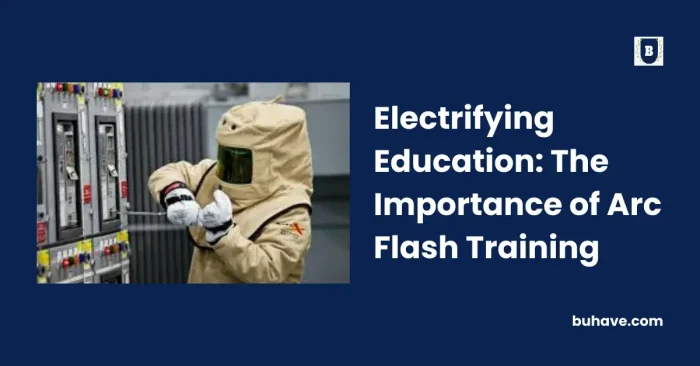
Arc flash training plays a vital role in workplace electrical safety by teaching workers how to recognize and control arc flash hazards. Arc flashes are high-energy discharges from faulty equipment that can cause severe burns, serious injuries, and, in extreme cases, fatalities. This reality underscores the importance of established safety protocols. Through comprehensive arc flash training, workers learn to identify electrical hazards, apply proper controls, and follow procedures that reduce the likelihood of an arc flash incident.
In this article, you’ll learn how this training reduces incidents, supports regulatory compliance, and helps build a safety culture that protects people and operations. Let’s dive in.
Prevention of Accidents
Arc flash training is essential for preventing occupational accidents caused by electrical faults. Arc flashes are high-energy discharges from faulty equipment that can cause severe burns, serious injuries, and, in extreme cases, fatalities. This reality underscores the importance of established safety protocols. Through comprehensive arc flash training, workers learn to identify electrical hazards, apply proper controls, and follow procedures that reduce the likelihood of an arc flash incident. For a broader understanding of electrical fundamentals, see Power Up Your Business: Understanding the Basics of Electricity.
Organizations can further reinforce prevention by delivering training through accessible formats. Online or blended programs make it easier for teams to stay up to date on the latest safety practices, which is one of the key benefits highlighted in The Top 8 Benefits of E-learning.
Compliance with Regulations
Adhering to industry regulations remains a key reason for arc flash training. Many jurisdictions require this training to ensure workers understand the risks and are competent in safety procedures. Regulatory frameworks, including NFPA 70E standards, shape what employers must teach and verify. Failure to comply can expose workers to greater risk and expose the business to penalties or liability. Offering arc flash training protects employees, while also safeguarding a company’s reputation and bottom line. For broader context on electrical engineering education and qualifications, see A closer look at b tech in electrical engineering.
Promotion of a Safety Culture
The promotion of a safety culture within an organization is significantly enhanced through regular arc flash training. This training emphasizes the importance of following safe work procedures and properly utilizing personal protective equipment. Employees who receive this training are more likely to adopt these safety measures themselves and encourage their colleagues to do the same.
Minimizing Downtime and Costs
Investing in arc flash training helps minimize downtime and operational costs by reducing the likelihood of arc flash incidents. When accidents occur, production can halt, maintenance can be delayed, and repair costs can rise. Training gives workers the skills to prevent incidents, ultimately protecting productivity and the organization’s financial health. Additionally, online and blended training options can improve accessibility and consistency, aligning with the broader benefits of e-learning discussed in The Top 8 Benefits of E-learning.
Conclusion: Arc Flash Training is Crucial For Your Workplace
The knowledge gained from arc flash training empowers employees to identify potential hazards and take preventative measures, significantly reducing the risk of accidents. It also helps companies fulfill their legal obligations, protect their reputation, and maintain financial health. By fostering a culture of safety, arc flash training contributes to a safer, more productive work environment. Therefore, investing in arc flash training is not just a regulatory requirement but a strategic decision that benefits both the employees and the organization. For more on electrical engineering career paths, see How to Become a Electrical Engineer.