
Launching a successful salon in the beauty industry blends creativity, client care, and smart planning. This guided roadmap helps aspiring stylists turn a vision into a thriving business by focusing on five essential steps—guided by current trends like digital bookings, a strong online presence, and sustainable practices. By mastering these steps, you’ll be equipped to navigate challenges and seize opportunities on the path to salon success.
Define Your Salon Vision and Concept:
Establishing a distinct vision and concept that serves as the cornerstone of your business is the first step towards realizing your ideal salon. Spend some time thinking about the kind of salon you want to open, considering factors like your target market, specialty areas, and preferred ambiance. Which kind of salon appeals to you more—a slick, contemporary space with a focus on precise cutting and styling or a small, welcoming boutique with an emphasis on organic hair care products? For ideas on hairstyles that shape your service mix, see Expert Tips on Finding the Hairstyle That Fits You Perfectly. Throughout the planning and implementation phase, the vision and idea of your salon act as a beacon of guidance, influencing choices about design, branding, and services provided. Consider conducting market research to identify gaps in the local market and opportunities for differentiation. You can also consult Entrepreneurship 101: The Basics of Starting a Company for foundational guidance on turning this vision into a viable business.
Develop a Comprehensive Business Plan:
Creating a strong business plan is crucial to making your salon idea a successful commercial endeavor. Start by describing the aims, objectives, and mission statement of your salon. This will provide you with a road map for success. Make a detailed study of the competitive environment, noting target markets, prospective competitors, and pricing policies. Define your salon’s unique selling proposition (USP) as well. What makes you different from other hairdressers in the area? While crafting your plan, consider every facet of salon management, such as initial expenses, available funding, personnel needs, and advertising tactics. To guarantee the long-term viability of your salon, pay close attention to financial forecasts that include income sources, costs, and profit margins. For broader startup guidance, consult Entrepreneurship 101: The Basics of Starting a Company.
Design Your Salon Space:
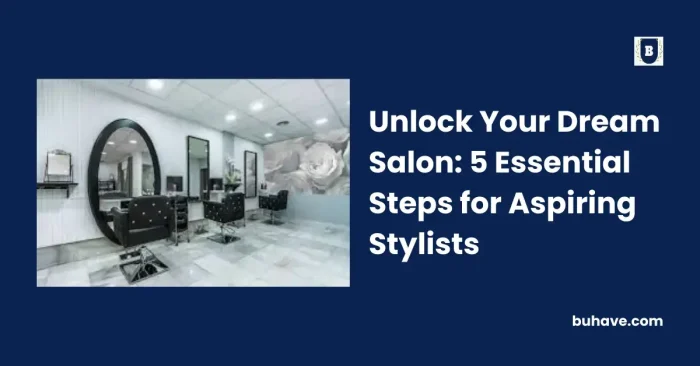
The design of your salon space plays a crucial role in creating a welcoming and inviting atmosphere for clients. A salon’s brand identity can be reflected and the entire client experience improved with careful design considerations, whether you’re building from the ground up or remodeling an existing location. First, plan your salon’s flow and layout, making the most of the space available for shop displays, wash stations, styling stations, and reception rooms.
Select furniture, décor pieces, and a coordinating color palette that captures the essence of your salon’s style and character. To help customers relax and enjoy their salon experience, consider adding luxurious and comfortable components like soft seating, dim lighting, and calming music. You can also explore AI tools for beauty salons to optimize space planning, scheduling, and client preferences.
Curate Your Product Offering:
In order to satisfy the varied requirements and tastes of your customers and improve the entire salon experience, choosing the appropriate product selection is crucial. Find and investigate high-quality hair care products that complement the target market and brand values of your business. To accommodate various hair types and concerns, consider providing a carefully chosen assortment of professional-grade hair care goods, such as shampoos, conditioners, styling products, and treatments.
Incorporating private label hair care products into your product offering can further elevate your salon’s brand identity and provide a unique selling point for clients. By working with a respectable manufacturer to develop custom-branded haircare products, you can provide formulas catered to your salon’s requirements and preferences. For broader digital strategies, you can also explore insights from How to Build the Online Business of Your Dreams.
Build Your Brand and Market Your Salon:
To attract new customers and expand your salon company, you must have a powerful brand presence and a winning marketing plan. Create a unified branding approach that includes your salon’s internet presence, message, and visual identity. Establish a polished brand, website, and social media accounts that accurately represent your salon’s character and principles. These will provide you with a platform to interact with prospective customers and exhibit your work.
To reach your target demographic and increase brand recognition, use a multi-channel marketing strategy that incorporates internet marketing, conventional advertising, and community involvement. By sharing behind-the-scenes pictures, customer endorsements, and style advice on social media sites like Facebook, Instagram, and Pinterest, you can build relationships with your audience and increase foot traffic to your salon. For practical online branding steps, see How to Build the Online Business of Your Dreams.
Conclusion
Unlocking your dream salon requires careful planning, strategic execution, and unwavering dedication to your craft. You can lay the groundwork for long-term success and satisfaction in the beauty industry by defining your salon’s vision and concept, creating a thorough business strategy, designing your salon space, selecting your product line, and establishing your brand. With passion, perseverance, and a commitment to excellence, you’ll transform your dream salon into a thriving reality, making a lasting impact on the lives of your clients and the community. As you grow, consider practical resources like Entrepreneurship 101: The Basics of Starting a Company and AI tools for beauty salons to optimize operations and expand your reach.