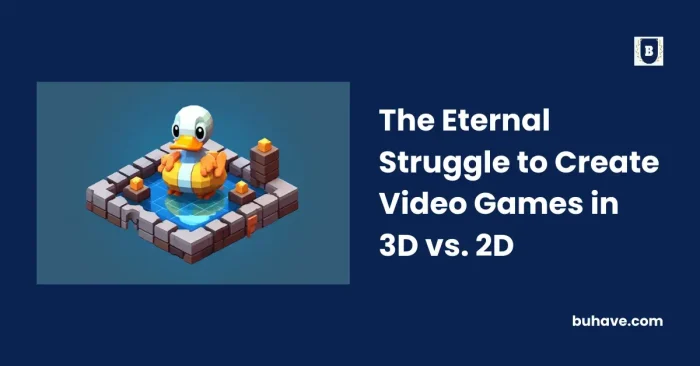
In modern game development, outsourcing individual assets is no longer enough. As of 2026, many developers choose to work with a full-cycle game art studio that can manage the entire visual production pipeline — from early concepts to post-launch support. Full-cycle game art services help teams reduce production risks, maintain visual consistency, and scale efficiently without building large in-house art departments. The rise of AI-powered design tools is speeding up concept exploration and iteration, enabling studios to deliver higher-quality visuals faster, using AI tools for digital art.
This article explains what full-cycle game art services include today, how a modern game art studio structures these services, and how studios like RetroStyle Games fit into this production model.
What Are Full-Cycle Game Art Services
Full-cycle game art services cover the complete visual lifecycle of a game. Instead of splitting work between multiple vendors, developers partner with one game art studio responsible for all art-related production stages.
A full-cycle approach usually includes:
- Pre-production and visual development
- 2D and 3D game art production
- Animation and technical art
- Engine integration
- Live-service and post-launch support
Studios such as RetroStyle Games operate as long-term production partners, not short-term contractors, integrating directly into client pipelines.
This approach is amplified by AI Artistic Design Tools that help generate concept variations and refine visuals more quickly.
Pre-Production and Art Direction
The first stage of full-cycle game art services focuses on defining the visual foundation of the project.
At this stage, a game art studio typically provides:
- Art direction and visual research
- Mood boards and style exploration
- Character and environment concept art
- Shape language and color palette definition
- Visual benchmarks and references
RetroStyle Games, for example, often supports teams at the pre-production stage to help align visuals with gameplay, narrative, and technical constraints early on. Additionally, studios often leverage AI tools for digital art to expand mood boards and visual references during early exploration.
2D Game Art Services
Most full-cycle game art studios offer a wide range of 2D game art services that support both gameplay and presentation.
Common 2D services include:
- Character and environment concept art
- UI and UX design
- Icons, items, and illustrations
- In-game and narrative artwork
- Marketing and store page visuals
A full-cycle game art studio ensures that 2D assets remain consistent with the overall art direction throughout production.
3D Game Art Production
3D asset creation is a core component of full-cycle game art services, especially for PC, console, and mobile titles.
A professional game art studio typically delivers:
- 3D characters and creatures
- Environments and level art
- Props, weapons, vehicles, and objects
- Stylized, semi-realistic, and realistic assets
- LODs and platform-specific optimization
- Engine-ready assets for Unity and Unreal Engine
Studios like RetroStyle Games combine visual quality with production-ready technical standards, ensuring assets are optimized from the start.
Rigging and Animation
Many studios offering full-cycle game art services also handle animation and character setup.
This stage may include:
- Character and creature rigging
- Gameplay-driven animation
- Combat, locomotion, and interaction animation
- Animation blending and state setup
- Engine-ready animation delivery
Keeping animation within the same game art studio reduces handoffs and technical inconsistencies.
Technical Art and Optimization
Technical art has become a standard part of modern full-cycle game art services. A capable game art studio bridges the gap between art and engineering.
Typical technical art tasks include:
- Performance and memory optimization
- Shader and material setup
- Asset validation and pipeline automation
- Platform-specific optimization
- Support for PC, console, and mobile targets
RetroStyle Games integrates technical art into its full-cycle services, helping teams avoid late-stage performance issues.
Engine Integration and Implementation
Unlike traditional outsourcing, full-cycle game art services often include direct engine involvement.
A game art studio may:
- Import assets into Unity or Unreal Engine
- Set up materials, prefabs, and lighting
- Support level dressing and scene assembly
- Test assets in real gameplay scenarios
- Collaborate closely with designers and programmers
This approach shortens iteration cycles and improves overall production stability.
Live-Service and Post-Launch Support
As of 2026, many games continue development after launch and require ongoing live-service support. Full-cycle game art services extend into live operations.
Post-launch support may include:
- New characters, skins, and cosmetics
- Seasonal events and environments
- UI updates and visual improvements
- Asset optimization for new platforms
- Long-term visual consistency maintenance
Game art studios like RetroStyle Games often support live-service projects over multiple years, becoming a stable part of the development team.
Benefits of Working With a Full-Cycle Game Art Studio
Choosing a full-cycle game art studio offers several advantages:
- Strong visual consistency across all assets
- Reduced production risks and rework
- Simplified communication with one partner
- Flexible scalability based on production needs
- Better alignment between art and technology
These benefits are especially valuable for complex and long-term projects.
When Full-Cycle Game Art Services Make Sense
Full-cycle game art services are particularly effective for:
- Indie teams without internal art departments
- AA and AAA studios scaling production
- Live-service games with ongoing content needs
- Cross-platform projects
- Teams seeking long-term outsourcing partnerships
Studios like RetroStyle Games are often chosen in these scenarios due to their full-cycle production experience and flexible collaboration models.
How to Choose the Right Full-Cycle Game Art Studio
When selecting a game art studio for full-cycle services, developers should evaluate:
- Proven full-cycle production experience
- Portfolio relevance and art direction quality
- Technical art and engine expertise
- Communication and documentation standards
- Ability to scale teams and support live-service production
A strong partner should function as an extension of the internal team.
Trends Shaping Full-Cycle Game Art Services in 2026
Key trends influencing full-cycle game art services include:
- Growing demand for end-to-end outsourcing
- Deeper integration of technical art
- Expansion of live-service support
- Engine-level collaboration becoming standard
- Long-term partnerships replacing short-term contracts
AI-driven workflows are accelerating end-to-end outsourcing and live-service updates, shaping how studios approach asset creation. Learn more from our coverage of AI Artistic Design Tools.
FAQ
What are full-cycle game art services?
They include the entire art production pipeline, from concept art to engine-ready assets and post-launch support.
Are full-cycle services suitable for indie developers?
Yes. Many indie teams benefit from working with a full-cycle game art studio.
Can a game art studio integrate with in-house teams?
Yes. Most professional studios, including RetroStyle Games, work seamlessly with internal teams.
Is technical art part of full-cycle game art services?
Yes. Technical art and optimization are core components of modern full-cycle services.
Final Thoughts
As of 2026, full-cycle game art services represent the most efficient way to manage visual production at scale. A professional game art studio now provides far more than assets — it delivers structure, consistency, and long-term production support. The integration of cutting-edge tools like 3D cinematic AI tools is enabling even more dynamic visuals in live-service environments.
Studios like RetroStyle Games demonstrate how full-cycle game art services help developers reduce risk, improve quality, and focus on building successful games throughout their entire lifecycle.