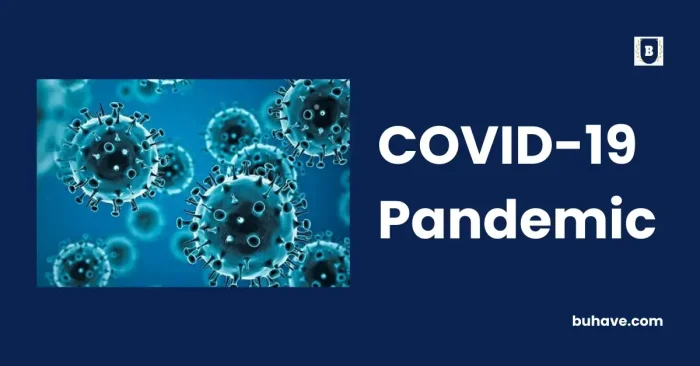
Coronavirus refers to a family of viruses that can cause infections ranging from the common cold to more serious illnesses affecting the nose, sinuses, throat, and lungs. In the past, coronaviruses have caused localized outbreaks in various regions, including parts of the Middle East and Asia. Public health authorities monitor these viruses globally, and cases have been reported in many countries over the years. The key point is that coronaviruses are found worldwide and do not target a single country.
In December 2019, an outbreak of a novel coronavirus emerged in Wuhan, China. The World Health Organization (WHO) identified this as a new type of coronavirus, later named SARS-CoV-2, causing the disease COVID-19.
COVID-19: Global Impact
Globally, hundreds of millions of cases have been reported, with millions of deaths and recoveries. The numbers have evolved as the pandemic has progressed, and official tallies are regularly updated by health authorities.
Global case counts have surpassed the scale of the 2003 SARS outbreak in China, underscoring the rapid, worldwide spread of COVID-19. Countries implemented travel advisories, evacuations, and expeditions to support affected areas.
According to the World Health Organization, here is the current situation on the map.
China’s Response to COVID-19
Chinese authorities instituted large-scale lockdowns, quarantining millions of residents to limit transmission. They mobilized emergency hospitals, expanded health-care capacity, coordinated international aid, and rapidly constructed facilities to treat patients in Wuhan.
Is there any Medical Breakthrough to cure Coronavirus?
There is no universal cure for coronavirus, but vaccines and antiviral treatments have become available that reduce the risk of severe illness. Since the early 2020s, researchers worldwide have developed and shared data to diagnose and treat COVID-19 more effectively. Scientists from many countries have contributed to vaccine development and clinical research to understand the virus and refine care. For more on how health technologies support treatment and access, see Virtual Healthcare Latest Trends and Growth Curve.
What is Coronavirus Disease?
Coronavirus was first identified in the 1960s, and the name comes from the crown-like appearance of the virus under a microscope. Coronaviruses infect humans and various animal hosts, and can spread between species in some cases.
Coronavirus generally spreads through respiratory droplets when people cough or sneeze, as well as by touching contaminated surfaces and then touching the face. Environmental factors such as air quality and pollen counts can influence respiratory symptoms, so see The Role of Pollen Counts and Pollen Maps in Health Care for more context.
COVID 19 Symptoms
Common symptoms include runny nose, cough, sore throat, fever, and fatigue. Early differentiation from a cold can be challenging based on symptoms alone, but testing helps confirm infection with coronavirus.
Laboratory tests on blood or throat swabs can determine whether symptoms are due to coronavirus or another virus; treatment decisions should follow medical guidance and testing results.
How to Avoid Coronavirus?
There is no single cure, and prevention focuses on reducing transmission. Until vaccines are broadly available, standard preventive measures for respiratory infections apply. For more on protective measures, see Why Should We Wear the Mask?.
- Wash your hands with soap thoroughly.
- Avoid touching your face, especially eyes, nose, and mouth, with unwashed hands.
- Maintain distance from people who are sick and avoid close contact with those who are coughing or sneezing.
- Stay hydrated, rest, and monitor your symptoms.
- Consult a healthcare professional if symptoms worsen and explore healthy living practices; for more, see Healthy Living.
Despite ongoing concerns, the focus remains on staying informed, practicing preventive measures, and seeking timely care when needed.
COVID-19 Treatment
Treatment focuses on supportive care since there is no universal cure for COVID-19. People infected with coronavirus should monitor symptoms, rest, hydration, and seek medical advice for severe or worsening cases. In hospital settings, care may involve supporting vital organ functions, oxygen therapy, and other therapies as needed. Vaccination has played a central role in reducing severe illness and helping healthcare systems manage cases; for how digital health supports vaccination and care, see Virtual Healthcare Latest Trends and Growth Curve.
People who think they may have coronavirus infection should contact their healthcare provider immediately.
– If you are interested in guest posts write for us health article now!