Menopause presents differently for every woman, and along with it comes a range of symptoms that can affect your head. Don’t despair—headaches during perimenopause and menopause are common, but they’re manageable with the right strategies.
This guide is for women just starting menopause as well as those already navigating it. It explains how to identify the main headache types that can occur during perimenopause and menopause, how to spot warning signs, what triggers them, and how to manage them effectively.
Hormonal Havoc: How Menopause Triggers Headaches
Noticing more headaches or migraines? You’re not alone—many women report more headaches during menopause as estrogen and progesterone fluctuate. These hormonal changes can trigger headaches and migraines by affecting pain-processing chemicals in the brain.
During menopause, estrogen and progesterone decline and fluctuate, which can contribute to hot flashes, night sweats, and headaches. Hormonal shifts can alter pain-processing chemicals in the brain, increasing headache frequency or intensity.
Not all women have headaches, but for those who do, menopausal headaches can be more severe and longer-lasting than typical headaches. If you don’t experience headaches, that’s fine, but it’s worth noting that these menopause-related headaches can be different from your usual headaches in terms of severity and duration.
If you’re experiencing headaches during menopause, it’s totally normal to seek support. There are ways to manage them, and with the right treatment and management, you can reduce the frequency and severity of headaches and migraines and improve your quality of life during menopause.
Throbbing Temples and Sensitivity:
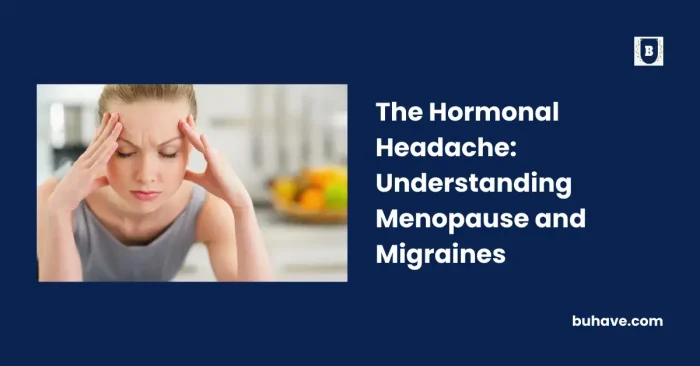
Migraine headaches are one of the most common types of headaches, with symptoms such as severe, throbbing pain on one side of the head, light and sound sensitivity, nausea, and vomiting. Another common type during menopause is tension headaches, which feel like dull aches or a tight band around the head.
If you’re struggling with menopause-related headaches, there are several things to keep in mind. Firstly, these headaches can be more severe and last longer than typical headaches. Secondly, hormonal therapies, including menopause supplements or hormone pellet therapy, can be effective ways to reduce the frequency or severity of headaches by balancing estrogen and progesterone in your body. Additionally, non-hormonal treatments such as preventative medications, relaxation techniques, and stress management can also help manage the symptoms. For broader guidance on mental health and menopause, see Mental Health: The 21st-century Perspective.
It’s important to note that if you’re experiencing headaches during menopause, you should talk to your healthcare provider about treatment options or advice on managing the pain, including whether a menopause supplement is right for you. With the right support and management, you can alleviate your headaches and enjoy a better quality of life during this transitional phase.
Diagnosis: Differentiating Between Menopause and Other Headache Causes
When it comes to diagnosing menopause-related headaches, a doctor needs to rule out other potential causes. A doctor will typically start by taking a detailed medical history and conducting a physical examination. They may also ask about the specific symptoms you’re experiencing, such as the location and severity of the pain, as well as any other symptoms you may have, such as nausea or sensitivity to light and sound.
To further investigate the cause of your headaches, your doctor may also order diagnostic tests such as imaging studies, such as a CT scan or MRI, to rule out any structural abnormalities or other underlying conditions that could be causing your headaches. They may also conduct blood tests to check for any other medical conditions or hormonal imbalances contributing to your headaches.
If your doctor suspects that your headaches are related to menopause (which can happen if you’re over the age of 45), they may also recommend hormone replacement therapy (HRT) to balance out the levels of estrogen and progesterone in the body. For a closer look at another option, see Understanding Hormone Pellet Therapy: A Comprehensive Guide.
Menopause can cause headaches, but it’s not the only thing that can trigger them. It’s essential to get an accurate diagnosis from a healthcare provider. If you’re experiencing headaches and have concerns, talk to your doctor to determine the cause and appropriate treatment options.
Takeaway
We hope this guide has helped you understand what a hormonal headache is and how it is related to menopause. As you know, migraines are not one-size-fits-all. It’s important to note that every person with a migraine will experience the symptoms differently. Some people may not experience migraines at all!
When experiencing symptoms, it is important to have a conversation with your healthcare provider. This is especially true if you believe that your headaches may be linked to menopause. By providing as much information about your medical history as possible, your healthcare provider can better assist you in managing your symptoms. One effective way to help manage the symptoms of menopause is by incorporating Neuaura, a daily menopause supplement, into your routine.
– If you are looking for guest posts in health “write for us” now.