
Struggling with weight gain due to hypothyroidism? Understanding the thyroid gland and its functions is crucial in managing this condition effectively, especially as guidelines continue to evolve (2024). We delve into the symptoms of hypothyroidism, the role of medication in managing it, and the different types of thyroid medication available.
Explore factors to consider when choosing a thyroid medication for weight loss, as well as other ways to manage weight with hypothyroidism.
Consulting with a doctor can help you find the best thyroid medication for weight loss.
Key Takeaways:
- Understanding the role of the thyroid gland and its impact on weight is important in managing hypothyroidism.
- Thyroid medication can play a crucial role in weight loss for those with hypothyroidism, but the best choice depends on individual factors such as the severity of the condition and potential side effects.
- In addition to medication, incorporating healthy lifestyle habits and consulting with a doctor can help manage weight and improve overall health for those with hypothyroidism.
Understanding the Thyroid Gland and Its Functions
Understanding the Thyroid Gland and Its Functions is essential for thyroid patients as it plays a crucial role in regulating metabolism through hormones like T3 and T4. Tips on Keeping Thyroid under Control offer practical guidance for maintaining thyroid health between medical visits.
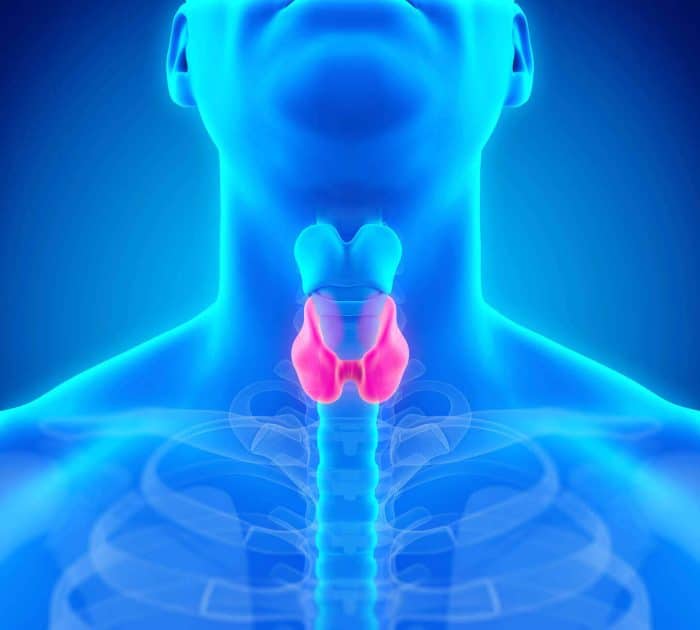
The thyroid gland, located in the neck, is responsible for producing these vital hormones that help control metabolism, energy levels, and numerous body functions. Thyroid hormones influence heart rate, body weight, and even mood, highlighting their far-reaching impact on overall well-being.
When the thyroid gland becomes overactive (hyperthyroidism) or underactive (hypothyroidism), it can lead to a range of symptoms including weight fluctuations, fatigue, and mood changes.
Hashimoto’s thyroiditis and Graves’ disease are two common thyroid conditions that impact patients’ health by disrupting hormone production and causing a cascade of symptoms that affect daily life.
What is Hypothyroidism and How Does it Affect Weight?
Hypothyroidism, a condition affecting the thyroid gland, can impact weight due to imbalances in hormone levels, particularly cortisol and insulin.
These imbalances can lead to a sluggish metabolism, making it challenging for individuals with hypothyroidism to manage their weight effectively. Cortisol, often referred to as the stress hormone, can contribute to weight gain by promoting the accumulation of visceral fat, especially around the abdomen. Similarly, insulin plays a crucial role in regulating blood sugar levels, and its dysregulation in hypothyroidism can further disrupt metabolism and energy balance.
For practical diet and lifestyle strategies, see Tips on Keeping Thyroid under Control.
What Are the Symptoms of Hypothyroidism?
The Symptoms of Hypothyroidism vary but commonly include fatigue, weight gain, and sensitivity to cold. Lab tests are essential for accurate diagnosis, especially in cases related to Hashimoto’s Disease.
Individuals with hypothyroidism may also experience dry skin, hair loss, muscle weakness, and depression. These symptoms can significantly impact daily life, leading to challenges in energy levels, concentration, and emotional well-being. Proper diagnostics through blood tests measuring hormone levels like TSH, T3, and T4 are crucial for identifying thyroid dysfunction accurately. In the case of Hashimoto’s Disease, where the immune system attacks the thyroid, these tests play a key role in distinguishing it from other forms of hypothyroidism. Timely diagnosis and treatment can help improve symptoms and maintain overall health.
The Role of Medication in Managing Hypothyroidism
Medication plays a pivotal role in managing Hypothyroidism, with common treatments like levothyroxine and Synthroid aimed at restoring hormone levels for optimal health.
Levothyroxine and Synthroid are synthetic thyroid hormones that help replace the insufficient amounts produced by the thyroid gland in individuals with hypothyroidism. By supplementing the body with synthetic hormones, these medications work to normalize hormone levels, thus improving metabolism, energy levels, and overall well-being. They effectively alleviate symptoms such as fatigue, weight gain, and depression commonly associated with an underactive thyroid.
Physicians often prescribe these medications in specific doses tailored to each individual’s thyroid hormone needs, ensuring a personalized treatment approach for managing hypothyroidism.
What Are the Different Types of Thyroid Medication?
There are various types of Thyroid Medication available, including NDT (Natural Desiccated Thyroid) and formulations containing T3 and T4 hormones, each with unique benefits and considerations.
NDT, derived from animal thyroid glands, contains both T3 and T4 hormones in ratios similar to those naturally produced by the human thyroid. On the other hand, formulations with separate T3 and T4 components offer more precise dosing options.
NDT is favored by some individuals seeking a more natural approach, while synthetic T3/T4 medications provide standardized doses. Understanding these nuances can help patients and healthcare providers choose the most suitable treatment based on individual needs and responses. It is crucial to balance efficacy with potential side effects when considering the various options available.
Which Thyroid Medication is Best for Weight Loss?
Determining the Best Thyroid Medication for Weight Loss depends on individual factors such as metabolism and hormone levels, with options like T3 and T4 formulations offering specific advantages. For a broader overview of weight loss medications, see 4 Important Things to Know About Weight Loss Medications.
When considering thyroid medication for weight loss, it is crucial to assess how the different formulations of T3 and T4 impact your metabolic rate and overall fat-burning capabilities. T3 is known for its role in regulating energy production and can directly influence the rate at which calories are burned. On the other hand, T4 is essential for maintaining a balanced metabolic function and supports the conversion of T3.
Understanding these dynamics can help in determining which medication may be more suitable for your weight loss journey. Many individuals find that a combination of T3 and T4 formulations can offer synergistic benefits in optimizing metabolism and promoting fat loss.
Factors to Consider When Choosing a Thyroid Medication for Weight Loss
Several Factors should be considered when Selecting a Thyroid Medication for Weight Loss, including the thyroid patient’s response to treatment, levels of reverse T3, and affordability and accessibility of the medication.
It is essential to assess the individual response of each thyroid patient to different medications, as no two patients are alike in their needs and reactions to treatment. Patients with high levels of reverse T3 may require a different type of medication or dosage compared to those with normal levels. Moreover,
affordability and accessibility play a crucial role in determining patient adherence to the prescribed regimen. A medication that is expensive or not readily available may discourage patients from sticking to their treatment plan, leading to suboptimal outcomes.
The Severity of Hypothyroidism
The Severity of Hypothyroidism determines the appropriate course of treatment, with more severe cases often requiring Hormone Replacement Therapy for effective management.
When hypothyroidism is severe, the thyroid gland is unable to produce sufficient hormones to keep the body functioning optimally. In such cases, the synthetic hormones provided through Hormone Replacement Therapy become essential to restore the balance. These synthetic hormones help alleviate symptoms such as fatigue, weight gain, and mood changes that can significantly impact a person’s quality of life.
Choosing the right treatment approach varies depending on the severity of hypothyroidism. For mild cases, lifestyle modifications, dietary changes, and close monitoring may be sufficient. On the other hand, severe cases demand immediate intervention, with Hormone Replacement Therapy being a cornerstone in managing symptoms and preventing complications.
Potential Side Effects
Understanding the Potential Side Effects of Thyroid Medication is crucial for patient safety and well-being, with considerations like Thyroglobulin Antibodies impacting individual responses to treatment.
Common side effects of thyroid medication can include symptoms such as nausea, headache, insomnia, and changes in appetite. The importance of monitoring these side effects cannot be overstated, as they can indicate an imbalance in thyroid hormone levels.
Factors like Thyroglobulin Antibodies can also play a role in how a patient reacts to the medication, influencing the likelihood of experiencing adverse reactions. It is essential for healthcare providers to closely observe and manage these side effects to ensure optimal treatment outcomes.
Healthy Living 101 offers additional guidance on maintaining overall wellness while managing thyroid health.
Interaction with Other Medications
The Interaction of Thyroid Medication with Other Medications must be carefully considered to avoid potential conflicts, especially concerning drugs affecting cortisol and insulin levels.
When prescribing thyroid medication, healthcare providers must be diligent in evaluating potential drug interactions due to how they can impact the efficacy of treatment.
In particular, medications that influence cortisol and insulin levels can have significant effects on the patient’s response to thyroid medication.
Interactions between thyroid medication and drugs affecting cortisol levels, such as corticosteroids, can lead to altered metabolism and potential fluctuations in thyroid hormone levels.
Similarly, medications that influence insulin, like certain diabetes medications, may affect how the body processes thyroid hormones.
Cost and Availability
Considering the Cost and Availability of Thyroid Medication is essential for long-term adherence to treatment, as access to affordable medication plays a significant role in patient compliance and success in fat loss programs.
Patients facing financial constraints may struggle to afford necessary thyroid medication, leading to gaps in treatment that can impact overall health. Insurance coverage can greatly influence the choices patients make, as those with better coverage may have more options available at lower costs.
The availability of specific medications can vary, affecting patients’ ability to access optimal treatment regimens. These factors highlight the importance of addressing affordability and sustainability in healthcare to ensure that patients can consistently access the medication they need for effective treatment.
Other Ways to Manage Weight with Hypothyroidism
Along with Medication, Weight Management with Hypothyroidism can be supported through a holistic approach that includes a balanced diet, regular exercise, and stress management techniques.
Complementary strategies play a crucial role in enhancing the effectiveness of traditional medical treatments. To optimize weight management in hypothyroidism, individuals can focus on incorporating nutrient-dense foods rich in iodine and selenium to support thyroid function.
Regular physical activity, such as strength training and cardiovascular exercises, can boost metabolism and aid in weight loss.
Stress management techniques, including mindfulness meditation and deep breathing exercises, can help reduce cortisol levels and support a healthy weight.
Combining these approaches creates a comprehensive plan for individuals to achieve their weight loss goals while also improving overall well-being.
Diet and Exercise
Diet and Exercise are key components in Managing Weight with Hypothyroidism, as they can support metabolism and energy levels crucial for overall health. For broader healthy living strategies, see Healthy Living 101.
When dealing with hypothyroidism, the body’s metabolism tends to slow down, making weight management more challenging. By focusing on a nutrient-dense diet rich in whole foods such as fruits, vegetables, and lean proteins, individuals can provide the necessary fuel for metabolic functions.
Regular physical activity is equally vital, as exercise can help boost metabolism, improve insulin sensitivity, and enhance overall energy levels. Cardiovascular exercises like walking, cycling, or swimming can be particularly beneficial for those with hypothyroidism.
Combining a balanced diet with a consistent exercise routine tailored to support thyroid function can significantly aid in weight loss and overall well-being for individuals with hypothyroidism.
Stress Management
Effective Stress Management is essential for individuals with Hypothyroidism, as high cortisol levels resulting from stress can exacerbate thyroid imbalances and hinder weight loss efforts.
Chronic stress can lead to an overproduction of cortisol, a hormone that, when elevated for prolonged periods, can negatively impact the functioning of the thyroid gland.
This disruption can further complicate the management of hypothyroidism, making it crucial for individuals with this condition to prioritize stress-reduction techniques in their daily routines.
Incorporating relaxation practices such as meditation, deep breathing exercises, or yoga can help alleviate stress and reduce cortisol levels.
Engaging in regular physical activity, maintaining a healthy diet, and ensuring adequate sleep are also key components of managing stress and supporting thyroid health.
By addressing stress effectively, you can support thyroid health and weight management.