
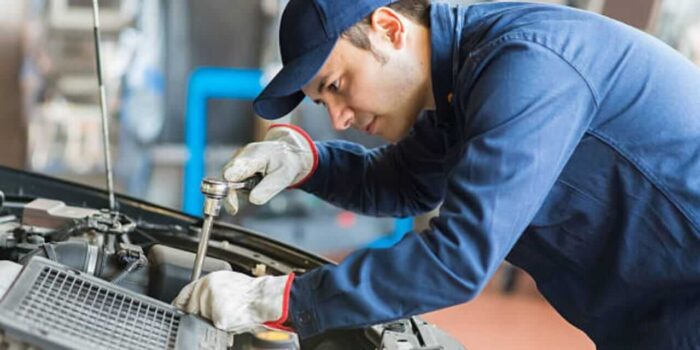
Duties Of A Diesel Mechanic?
Diesel mechanics perform maintenance and repairs on diesel-powered vehicles. If you’re curious how a diesel technician structures a typical workday, here are the core duties they usually handle. For related career paths, see HOW TO BECOME A ELECTRICAL ENGINEER.
For the most part, the diesel mechanical duties include:
- Check the engine to identify problems
- Inspect engine components for wear or damage
- Replace damaged or worn parts with new components
- Test the vehicle’s electrical system and batteries
- Perform regular engine oil changes
- Inspect and service tires and other essential systems as needed
- Maintain all vehicle parts and systems in good condition
Steps to Become a Diesel Mechanic
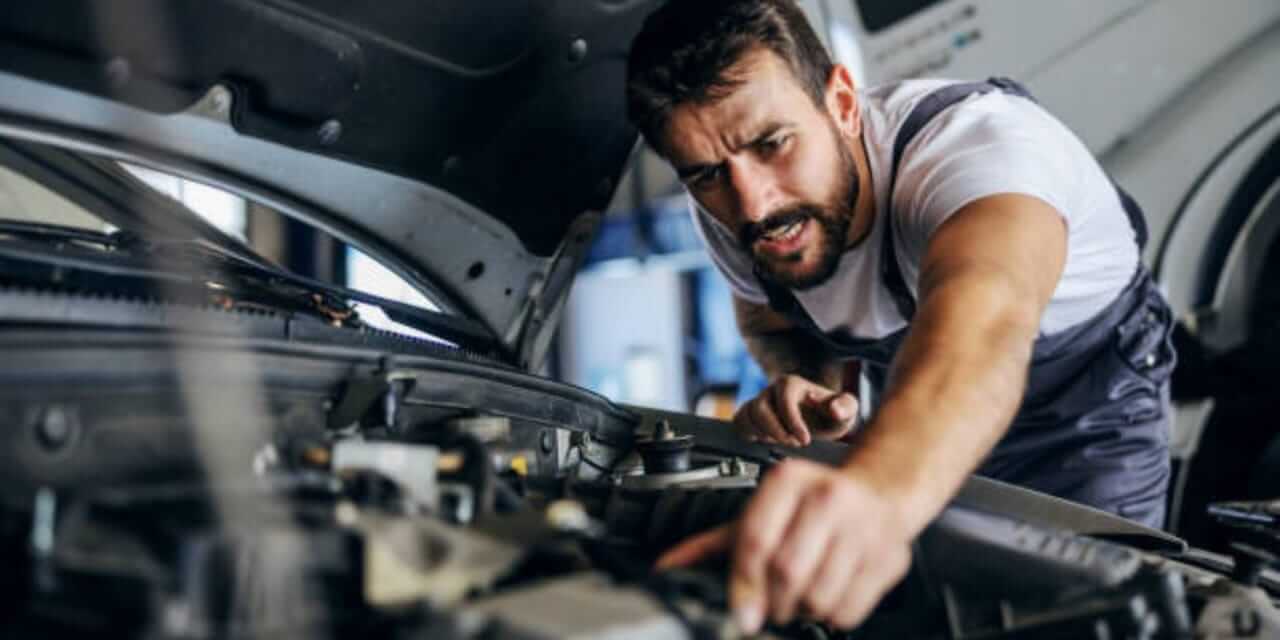
Requirements To Become A Diesel Mechanic?
If you’re aiming to become a diesel expert but aren’t sure of the requirements, here’s a quick overview of typical qualifications used by the industry:
- You must be at least 18 years old
- You must have a High School Diploma or GED
- You may need recognized credentials or degrees in diesel technology
- You must have a Commercial Driver’s License (CDL) in many roles
- You should have certification from the National Institute for Automotive Excellence (ASE)
- You should be familiar with vehicle systems and diagnostics
Steps To Become A Diesel Mechanic?
Here’s a step-by-step guide to the process involved in becoming a diesel mechanic:
Step 1: Basic Education
You should be of working age and have completed high school, a GED, or an equivalent credential that allows you to pursue a diesel technology program.
Step 2: Apply for a Diploma or Integrated Degree to Become a Diesel Mechanic
After high school, pursue a certificate or associate degree in diesel technology to gain foundational skills. Programs include hands-on training in diesel engines, electrical systems, and diagnostics. This can lay the groundwork for long-term career growth in the field and may connect you with employers and apprenticeships. This career path can also connect you with fleet operations and dispatch roles; see The Daily Responsibilities of a Truck Dispatcher.
Step 3: Obtain a Commercial Driver’s License (CDL)
Many diesel roles require operating heavy vehicles and equipment, so obtaining a Commercial Driver’s License (CDL) is often essential to inspect and drive a vehicle as part of the job.
Step 4: Obtain a Certificate from the National Institute for Automotive Excellence (ASE)
Upon earning your certificate or degree and CDL, you’ll typically pursue ASE certification to qualify for a broader range of diesel technician positions. ASE credentials may require periodic re-testing to remain valid, and many mechanics earn multiple ASE certifications to specialize in different areas.
How Long Does It Take To Become A Diesel Mechanic?
Programs vary by credential. A certificate or diploma often takes about 6 months to 1 year, while an associate degree takes around 2 years. After formal training, you may also need to obtain a CDL and ASE certifications. In total, many aspiring diesel mechanics complete the pathway in about 3-5 years in the United States.
How Much Does A Diesel Mechanic Usually Earn?
Salary varies by region and experience, but the typical annual wage is around $49,000. Higher-paying areas include New York, New Jersey, Massachusetts, California, and Alaska.
For related transportation careers, see 4 Top Benefits of Becoming a Professional Truck Driver in the USA.
– If you are looking for a guest post write for us automobile now.