Overview
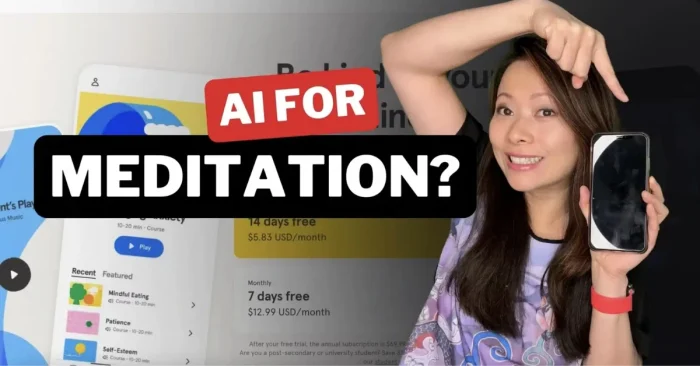
AI tools for meditation apps help users enhance mindfulness, reduce stress, and improve mental well-being through personalized guidance. These tools provide adaptive meditation sessions, track progress, and offer insights into emotional states. By analyzing user behavior and feedback, AI tailors content to individual needs, ensuring more effective practice. From guided audio meditations to mood-based recommendations, AI-powered apps make mindfulness accessible and engaging. Users benefit from reminders, habit tracking, and real-time suggestions to maintain consistency. With AI integration, meditation apps offer a highly personalized, efficient, and immersive experience that supports mental health and personal growth. For broader stress-reduction techniques, see AI tools for mind relaxation, and these tools can also complement your routine with AI tools for stress management to analyze wearables data and adjust sessions accordingly.
1. AI-Powered Meditation Guidance
AI tools create personalized meditation sessions based on user preferences, stress levels, and goals. They adjust duration, technique, and background sounds for maximum relaxation and focus. These personalized sessions also align with AI tools for habit tracking to help users maintain a consistent daily practice.
2. Mood Analysis & Recommendations
AI analyzes user input, voice, or physiological data to detect emotional states and suggests meditation exercises suited to reduce anxiety, improve sleep, or boost focus. This mood analysis can be complemented by AI tools for mind relaxation to offer broader stress-reduction strategies.
3. Adaptive Meditation Programs
AI tracks user progress over time and adapts sessions to maintain engagement, gradually increasing difficulty or introducing new techniques for continuous improvement. AI tracks progress and can be paired with AI tools for yoga practice to introduce breathwork and body awareness.
4. AI for Guided Audio & Voice Coaching
AI generates realistic voice-guided meditations, allowing users to follow along with soothing instructions that simulate professional meditation coaching anytime, anywhere.
5. Stress & Sleep Tracking
AI monitors stress levels, sleep patterns, and heart rate using wearable integration. Insights are used to recommend targeted meditation sessions for optimal well-being.
6. AI for Habit Formation
AI tools provide reminders, streak tracking, and personalized nudges to help users maintain regular meditation practice and build mindfulness habits effectively.
7. Visual & AR Meditation Experiences
AI powers immersive visualizations and AR environments to enhance meditation experiences, creating calming landscapes or interactive mindfulness exercises for deeper engagement.
8. AI in Content Curation
AI recommends meditation themes, music, and techniques based on user preferences, ensuring each session feels personalized and relevant to their needs.
9. Analytics & Progress Reports
AI generates detailed reports on meditation frequency, duration, and effectiveness, helping users track improvements in focus, relaxation, and emotional stability over time. These analytics can be enhanced by insights from AI tools for stress management to tailor coping strategies.
10. Multilingual Support & Accessibility
AI tools provide guided meditations in multiple languages, making mindfulness practices accessible to a global audience and catering to diverse user needs.
(FAQs)
Q1: Can AI meditation apps replace live instructors?
No. AI supplements guidance with personalization, but human instructors provide expertise, corrections, and emotional support beyond AI capabilities.
Q2: Are AI meditation apps suitable for beginners?
Yes. AI apps offer step-by-step guidance, adaptive sessions, and beginner-friendly techniques for easy adoption and consistent practice.
Q3: Do AI meditation apps require wearable devices?
No. While wearables enhance tracking, AI meditation apps function effectively using smartphone inputs, voice commands, or app-based assessments.
Learn More About AI Course https://buhave.com/courses/learn/ai/