
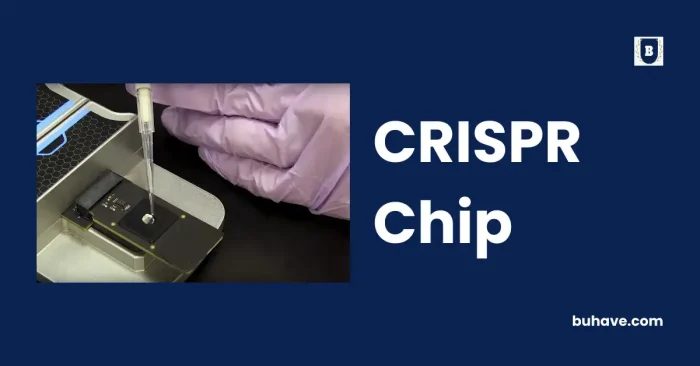
New CRISPR Chip That Can Detect Genetic Mutations Within a Minute Without DNA Amplification
CRISPR/Cas9 has moved from the lab to diagnostics and research. While best known for editing genes, researchers are exploring CRISPR’s diagnostic potential across biology and medicine. This programmable biology era has spurred devices that couple CRISPR with electronics to detect mutations rapidly. For a broader view of CRISPR’s potential, see Can We Cure Cancer with CRISPR?.
Kiana Aran, a professor at Keck Graduate Institute, along with a team of bioengineers, combined CRISPR with graphene-based transistors to create a handheld device that can detect specific genetic mutations in about a minute without DNA amplification.
“This is the first time transistors have been used with CRISPR to search for potential genetic mutations,” Aran said.
Jennifer Doudna, a pioneer in CRISPR research, has helped drive these developments and shaped the field’s trajectory. Jennifer Doudna is widely recognized for co-developing the CRISPR technology and continuing to influence its applications.
The need for CRISPR-Chip
CRISPR-based diagnostics have already inspired kits like SHERLOCK and HOLMES, with Mammoth Biosciences among others pursuing similar approaches. These methods typically rely on DNA amplification, which in clinical settings involves multiple steps: sample preparation, amplification, and detection. The workflow often requires specialized instrumentation and can be time-consuming.
“Everyone is thinking about the therapeutic applications of CRISPR, but the first thing CRISPR does is searching,” says Aran.
Aran has developed a chip that can detect mutations simply in a clinic or office without sending samples to 23andMe or requiring amplification. This approach aims to streamline mutation screening at the point of care.
Biopharma advancements are turning toward rapid, scalable diagnostics, and the role of biotech companies in translating such CRISPR-based tools into real-world tests is growing. Biopharma Advancements – The Role Of Biotech Companies
How CRISPR-Chip works?
Aran leveraged her electrical engineering background. Graphene, a single-atom-thick layer of carbon, is so sensitive that it can detect a single-base change in DNA across the genome without PCR amplification.
“Graphene’s extraordinary sensitivity enabled us to develop a CRISPR-based handheld device,” says Aran.
CRISPR relies on two components, gRNA and the Cas9 protein, to create a precise cut in DNA. To harness CRISPR’s targeting without cutting, researchers deactivate a Cas9 protein variant so it can recognize the target DNA sequence but not cut it, and tether it to graphene-based transistors. Binding alters the electrical conductance of the graphene transistor, and these changes can be detected by the device.
This area also intersects with AI tools for chemistry labs, showing how computational tools can accelerate design and validation in CRISPR diagnostics. AI tools for chemistry labs illustrate the broader move toward AI-enabled experimentation.
Future Applications
“With a digital device, you could design guide RNAs across disease-causing genes and screen the entire sequence in a matter of hours. You could test parents or even newborns for abnormal mutations, and if found, therapy could begin early before the disease develops.”
“Rapid genetic testing could help doctors tailor treatments for individual patients,” says Aran.
Finally, the CRISPR-Chip relies on a sensing principle that can help verify that guide RNAs are correctly designed for gene-editing experiments. By combining nanotechnology with modern biology, this approach could open new doors for treating diseases. For those interested in a broader view of personalized medicine, see The Future of Personalized Medicine.
Reference
Detection of unamplified target genes via CRISPR–Cas9 immobilized on a graphene field-effect transistor, Nature Biomedical Engineering (2019). DOI: 10.1038/s41551-019-0371-x.