
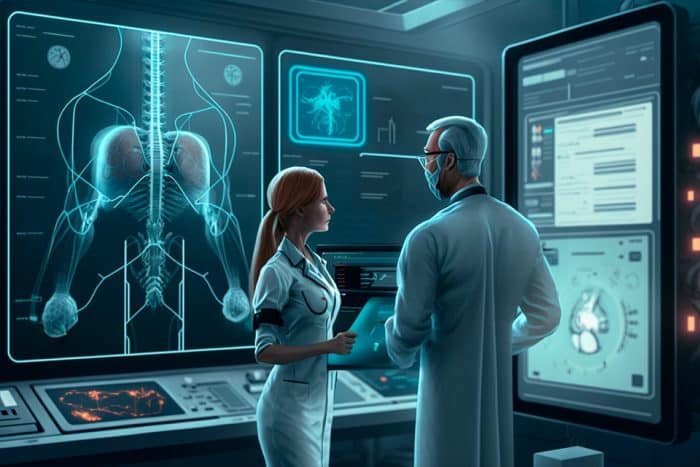
Introduction to Revolutionizing Healthcare
Technological advancements have transformed many industries in recent years, and healthcare is no exception. One of the most impactful innovations is the rise of telehealth solutions. Telehealth refers to using digital communication tools and technology to deliver healthcare services remotely. This article delves into the power of telehealth software and how they are revolutionizing the healthcare landscape. As of 2025, telehealth platforms increasingly integrate with patient portals, remote monitoring (RPM) devices, and secure messaging to support ongoing care. For a broader view of where this trend is headed, see our article on virtual healthcare trends.
Accessible Healthcare Anytime, Anywhere
Telehealth brings accessible care to patients anytime, anywhere. With telehealth, individuals can consult with healthcare professionals from home, reducing travel time and geographic barriers. This is especially helpful for people in rural or underserved areas. Telehealth software now enables medical advice, virtual consultations, and remote monitoring without a trip to a clinic. For a look at how AI-powered telemedicine is enhancing remote diagnostics, see our article on AI tools for telemedicine.
Revolutionizing Healthcare with Improved Convenience and Efficiency
Telehealth delivers notable convenience and efficiency for patients and providers alike. Online scheduling, virtual visits, and faster triage reduce the time spent on travel, waiting, and administrative tasks. Providers can streamline workflows and see more patients in a day, while patients often experience shorter wait times and higher satisfaction. Modern telehealth platforms also integrate with other systems to support coordinated care. For example, scheduling software for healthcare staffing can further optimize appointment management and resource use, as discussed in our piece on scheduling software for healthcare.
Additionally, AI-powered tools for remote diagnostics are expanding the capabilities of telemedicine and enabling faster, more accurate assessments. Learn more in our article AI tools for remote diagnostics.
Enhanced Remote Monitoring and Chronic Disease Management
Telehealth remains invaluable for remote monitoring and chronic disease management. With remote monitoring tools and wearable devices, providers can collect real-time data on vital signs, symptoms, and treatment adherence. This information can be transmitted securely to clinicians, enabling timely interventions and adjustments to treatment plans. Telehealth thus supports personalized, at-home care that can improve outcomes and quality of life for many chronic disease patients. As AI-powered analytics become more integrated, RPM data can yield actionable insights that drive better decisions in care delivery, as discussed in our AI tools for remote diagnostics article.
Expanded Healthcare Reach and Specialist Access
Telehealth expands access to specialists and professionals who may not be available locally. Through telehealth consultations, patients can receive expert opinions and specialized care from professionals in different locations. This is beneficial for individuals who require specialized care or second opinions. Telehealth also relies on interoperable health information systems to ensure continuity of care; see What Is EHR In Healthcare? for more on electronic health records and interoperability.
Cost-Effective Healthcare Delivery
Telehealth continues to offer a cost-effective approach to care. By eliminating many in-person visits and travel, patients can save on expenses. In many cases, telehealth consultations are priced more affordably than in-person visits, improving affordability for those with financial constraints.
In addition, healthcare systems can benefit from reduced hospital readmissions, fewer ER visits, and avoided unnecessary tests due to earlier intervention and better care coordination. Additionally, AI-driven remote diagnostics can help reduce unnecessary testing and streamline decision-making, as explored in AI tools for remote diagnostics.
Revolutionizing Healthcare Conclusion
Telehealth solutions have ushered in a new era of healthcare by changing how medical services are delivered. With accessible healthcare anytime, anywhere, improved convenience and efficiency, enhanced remote monitoring, expanded reach, and cost-effective delivery, telehealth is transforming the healthcare landscape. As technology continues to advance, the potential for telehealth software to improve patient outcomes and increase healthcare access remains substantial. When paired with integrated scheduling and staffing solutions, telehealth can further optimize resource use and service delivery, as highlighted in our articles on scheduling software for healthcare and healthcare staffing.
Embracing telehealth can lead to a more patient-centric healthcare system where individuals receive timely, convenient, and high-quality care. It is clear that telehealth is a powerful tool shaping the future of healthcare and has the potential to significantly impact the well-being of individuals worldwide.
– If you are looking for guest posts write for us health now.