
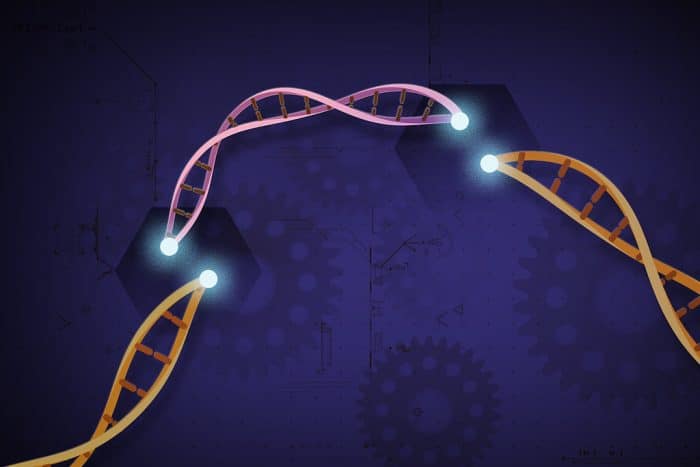
The human genome encompasses about 3 billion base pairs across 23 chromosome pairs found in nearly every cell, encoding roughly 19,000–20,000 protein-coding genes in a haploid genome. The Human Genome Project completed its work in 2003, providing the first reference sequence for the human genome. Along the central dogma (DNA → RNA → protein), errors can occur during transcription and translation, leading to variations and potential disease. For ongoing insights in genome-guided therapies, see The Future of Personalized Medicine.
Some repair mechanisms are available in cells for reducing errors but sometimes mutations occur during DNA replication or RNA processing. Some mutations are less harmful and some may lead to serious problems in the functioning of the cell and prove dangerous for the body, such as sickle cell anemia. Approximately 90% of human genome variation arises from a change in a single nucleotide position known as single nucleotide polymorphisms (SNPs), such as in the β-globin gene, which can lead to sickle cell disease. This genetic variability underpins many diseases and has driven research across biotech companies, as discussed in Biopharma Advancements – The Role Of Biotech Companies.
What is Cancer?
Cancer is an uncontrolled, highly heterogeneous disease characterized by abnormal clones of cells arising from genomic alterations and sometimes gene amplification. It involves genetic and epigenetic changes across the genome and can lead to activation of oncogenes. Epigenetic alterations change gene expression without altering the underlying DNA sequence. In 2000, Hanahan and Weinberg described the six hallmarks of cancer, later expanded in 2011 to reflect additional features of tumor biology.
One in eight deaths worldwide are attributed to cancer, making it a major societal concern. The most efficient and safe treatments have become a major goal for researchers, with genetic engineering techniques, including CRISPR-based approaches, playing a pivotal role in the development of cancer therapies. For diagnostics and research innovations, see the CRISPR Chip.
Introduction to CRISPR Cas9
In 1987, Ishino and colleagues first described unusual repeats of nucleotides in the Escherichia coli genome with unknown function. Later Mojica and colleagues identified these repeats in other microbes and named them “Regularly Interspaced Short Palindromic Repeats” or CRISPR. It is a short nucleotide sequence in bacterial DNA that forms part of an adaptive immune defense by guiding nucleases to cleave foreign DNA.
CRISPR-associated Cas9 is an endonuclease enzyme that requires a guide RNA (gRNA) to activate and target complementary DNA. CRISPR/Cas9 is comparatively inexpensive, driving rapid expansion in biomedicine, enabling biotechnology product development and potential treatments for genetic diseases, cancer, and targeted therapies. This article provides an overview of current research and future directions for CRISPR/Cas9 in cancer treatment. For diagnostic innovations, see the CRISPR Chip.
The gRNA binds with Cas9 protein, and the complex is delivered into target cells using vectors and recombinant DNA technologies.
In 2012, Jennifer Doudna and colleagues at UC Berkeley helped establish the CRISPR-Cas9 genome-editing system. Cas9 endonuclease consists of CRISPR RNA (crRNA) and transactivating CRISPR RNA (tracrRNA) to form a single-guide RNA (gRNA). By manipulating the sequence of gRNA, the artificial Cas9 system can be prepared according to the target. Jennifer Doudna is one of the central figures in this work.
The desired sequence must have Protospacer adjacent motif (PAM), a 2-6 base pair DNA sequence targeted by Cas9 nuclease. It is the component of foreign or viral DNA, not the bacterial CRISPR locus. After the generation of a double-strand break (DSB) at the target sequence, it can be repaired by non-homologous end-joining (NHEJ) resulting in small insertions or deletions (indels) in the associated gene (knockdown/knockout). In the presence of a donor DNA sequence, homology-directed repair (HDR) can facilitate precise modifications (knock-in). NHEJ is mostly dominant during G1, S, and G2 phases, while HDR occurs in late S and G2 phases. (Fig 1)
The working mechanism of CRISPR-Cas9
CRISPR/Cas9 is a bacterial defense system and immune machinery that bacteria use to attack viral invading DNA via CRISPR loci and destruction of foreign genetic material. The first widely used version of CRISPR technology engineered to work in human cells originated from the bacterium Streptococcus pyogenes.
Cas9 nuclease uses a single guide RNA (sgRNA) that combines crRNA and tracrRNA. Activation depends on the presence of a PAM sequence adjacent to the target DNA. The PAM is required for unwinding DNA and is not present in the bacterial genome itself. After PAM recognition and unwinding, the sgRNA guides Cas9 to create double-strand breaks (DSBs) in the target DNA, which are repaired by NHEJ or HDR, leading to insertions or deletions (indels) or precise edits. Large studies have demonstrated efficient knockdown or knock-in in somatic cells using the CRISPR-Cas9 system.
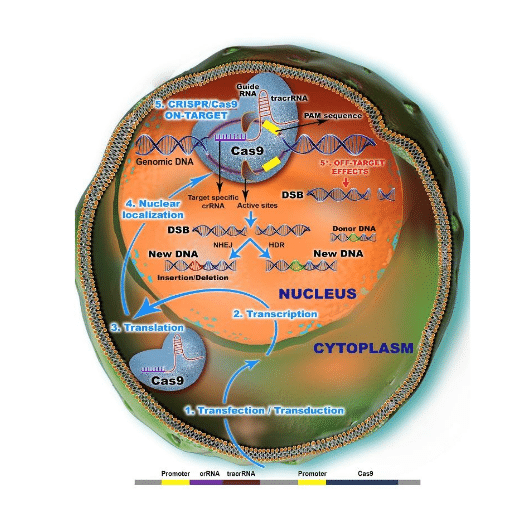
Figure 1. CRISPR/Cas9 Mechanism of Action
There are several delivery systems for CRISPR/Cas9-based cancer gene therapy, including adenoviruses (AVs) and adeno-associated viruses (AAVs) that offer high transfection efficiency. For stable, long-term expression, integrating Cas9 and gRNA into the host genome is often achieved using retroviral vectors. Other approaches include Cas9 fusion proteins, nanoparticle formulations, and membrane-derived vesicles.
CRISPR/Cas9 as Gene-editing tool for Cancer
Since 2012, when the CRISPR-Cas9 system was demonstrated in Streptococcus pyogenes, Cas9 bound to a guide RNA to specify and cleave target DNA, with editing outcomes arising from HDR or NHEJ. Some gRNA variants bind without cutting and can be used to repress transcription. CRISPR/Cas9 has become an efficient tool for endogenous gene editing in mammalian cells.
In Streptococcus pyogenes, a mutation was introduced to generate dCas9, a catalytically dead variant. dCas9 can be used for regulating transcription, acting as an activator or repressor with gRNA, editing epigenetic marks, and tagging endogenous gene loci without changing the DNA sequence.
CRISPR was first applied to modulate somatic cancer–causing mutations in mouse liver models and in human intestinal stem cell organoids by knocking out tumor suppressor genes such as PTEN and TP53. Today, CRISPR-based repression and editing have been explored in models of lung, pancreatic, and brain cancers. In some studies, point mutations have been introduced or activated oncogenes such as KRAS and CTNNB1.
CRISPR-based HDR can enable defined edits in genes. For example, researchers have repaired a frameshift mutation in APC, a tumor-suppressor gene, and corrected an activating ALK-F1174L mutation in colon cancer and neuroblastoma cells. Epigenetic drugs are also used in cancer therapy, though they can have significant side effects.
Nowadays, many non-coding RNAs (ncRNAs) such as microRNAs (miRNAs) and short interfering RNAs (siRNAs) regulate oncogenes and contribute to cancer progression; CRISPR/Cas9 can be used to edit genetic switches and suppress these effects. These technologies may reduce permanent modifications in somatic cells, though studies in human and mouse cells have reported unintended large deletions or rearrangements in a meaningful fraction of cases, affecting cell function in about 15 percent of instances.
The most notable clinical advances involve CRISPR-engineered CAR-T cells, a form of therapy that uses Cas9–gRNA–edited T cells. These CRISPR-based CAR-T cells have progressed to early clinical trials in the U.S. and China. These approaches often involve disrupting PD-1, a checkpoint that inhibits T-cell activity, and other gene edits in T cells. Additional trials have explored PD-1 knockouts in various cancers, including prostate, bladder, esophageal, and renal cell carcinoma.
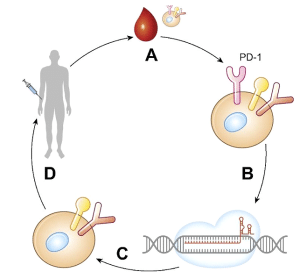
Figure 2 CRISPR/Cas9 as a therapeutic tool. Principle of first phase 1 clinical trials
Challenges and Future Aspects of CRISPR/Cas9
Today, CRISPR/Cas9 plays an important role in cancer biology by enabling new approaches for personalized therapy, immunotherapy, and genetic disorder research. It may accelerate gene therapy in the future. Some studies show permanent corrections of mutations in animal models. Challenges include off-target effects and unintended edits arising from NHEJ or HDR repair pathways. CRISPR/Cas9 can cause double-strand breaks at unintended sites, whereas newer base-editing approaches aim to reduce such off-target effects with enzymes like deaminases. For researchers and clinicians, AI tools for cancer detection are accelerating the interpretation of editing outcomes and safety profiling.
To overcome this, newer techniques have been developed to reduce off-target effects. Researchers have demonstrated multiplexed editing of multiple DNA targets in human cells. More recently, methods have improved accuracy, including strategies that add short tails to guide RNAs to enhance target recognition, achieving substantial improvements in editing precision.
AI tools for cancer detection can assist in monitoring editing outcomes and safety profiles, helping translate CRISPR applications from the lab to the clinic.
Conclusion
CRISPR-Cas9 remains a promising tool for editing genetic mutations and enabling fundamental research, but it carries risks of unintended edits and genetic damage. Ongoing work aims to maximize safety and specificity, while exploring potential therapeutic applications for diseases such as HIV, sickle cell disease, and cancer in the context of personalized medicine.
Read more about healthy living lifestyle
– If you are looking for guest posts in health “write for us” now.