Overview
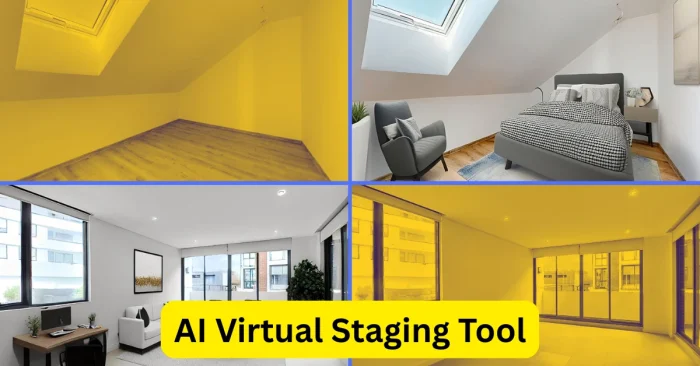
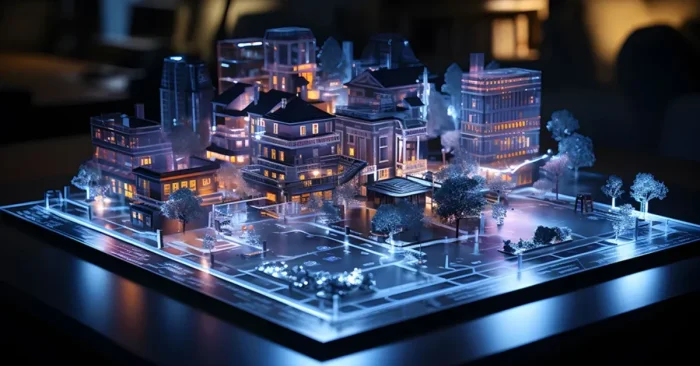
AI tools for architecture projects are transforming how architects design, plan, and execute ideas. These tools generate 3D models, automate drafting, predict project costs, and optimize energy efficiency. With AI, firms save time, reduce errors, and unlock greater creativity. From material analysis to simulating real-world conditions, AI improves sustainability and accuracy across residential, commercial, and urban projects. It also enhances client presentations with realistic visualizations. As the field adopts generative design and BIM-enabled workflows, AI-powered architecture tools help professionals deliver innovative, efficient, and future-ready designs with less manual effort. For a deeper dive, explore our AI Tools for Architects guide.
1. AI in Design Automation
AI tools automate repetitive drafting and modeling tasks, saving time and allowing architects to focus on creativity. In practice, AI is increasingly integrated into BIM-enabled workflows to streamline coordination across disciplines; for example, AI tools for floor plans can accelerate layout generation and scenario testing.
2. AI for 3D Modeling
AI generates accurate 3D models from sketches, floor plans, or parametric inputs, improving visualization and client communication. The capabilities are exemplified by advanced design tools like the AI Architectural Design Tool, which streamline concept exploration and iteration.
3. AI in Cost Estimation
AI predicts project costs by analyzing materials, labor, and timelines, ensuring budget accuracy. See how AI Tools for Architects approach cost estimation at scale.
4. AI for Energy Efficiency
AI tools simulate energy usage, suggesting eco-friendly designs that lower environmental impact. See how AI Tools for Architects help teams optimize energy performance across projects.
5. AI in Structural Analysis
AI analyzes building strength, stability, and durability, reducing risks and improving safety.
6. AI for Smart Material Selection
AI recommends suitable materials based on cost, durability, and sustainability goals.
7. AI in Urban Planning
AI analyzes population data, traffic, and land use to design smart urban spaces.
8. AI for Project Management
AI tracks timelines, resources, and workflow, ensuring smooth project execution.
9. AI in Virtual Reality
AI-powered VR tools let clients explore buildings before construction, improving satisfaction.
10. AI for Risk Prediction
AI forecasts potential risks in construction, helping architects plan safer projects.
(FAQs)
Q1: Can AI replace architects?
No. AI supports architects by automating tasks, but human creativity and vision remain essential.
Q2: Do AI tools improve sustainability?
Yes. AI optimizes energy use, materials, and design for eco-friendly projects.
Q3: Are AI architecture tools costly?
Many AI tools are affordable, with scalable options for small and large firms.
Learn More About AI Course AI Course on Buhave