
Overview
AI tools for dubbing videos are revolutionizing how content is adapted for global audiences. These tools use artificial intelligence to translate speech, match lip-sync, and replicate voice tones naturally. With support for multiple languages, AI dubbing helps creators, businesses, and filmmakers reach international viewers without hiring large dubbing teams. Advanced models analyze speech patterns, emotions, and context to ensure the dubbed audio feels authentic and engaging. From YouTube creators to global companies, AI-powered dubbing reduces cost, saves time, and improves accessibility. It is increasingly used in entertainment, education, marketing, and e-learning platforms worldwide. For a deeper dive into tools that automate this process, see AI Dubbing Tools.
1. AI in Automated Translation
AI dubbing tools automatically translate spoken words into different languages while preserving meaning. This ensures global reach for creators without manual translation efforts.
2. AI for Lip-Sync Matching
Advanced AI analyzes facial movements and phoneme-level timing to synchronize dubbed audio with lip motions. Modern models use neural networks to map speech acoustics to visible mouth shapes, resulting in near-perfect alignment even in rapid dialogue. This creates dubbing that looks natural on screen and reduces the need for multiple retakes.
3. AI in Voice Cloning
AI can replicate the original speaker’s tone, pitch, and style in another language. This maintains the speaker’s personality, making dubbed videos more authentic.
4. AI for Multilingual Support
AI dubbing platforms support dozens of languages, enabling creators to publish one video and distribute it worldwide in localized versions instantly. For captions and translations that accompany audio, see AI Tools for Subtitles.
5. AI in Emotion Preservation
AI models detect emotions in original speech and preserve them in dubbed versions. This ensures emotional depth and engagement are not lost in translation.
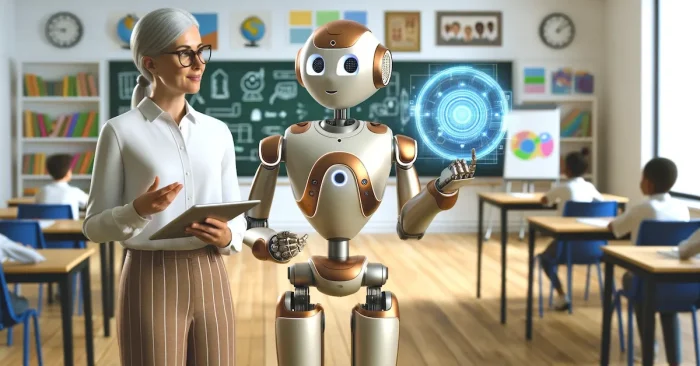
6. AI for E-Learning Dubbing
Educational platforms are increasingly using AI dubbing to translate courses into multiple languages with accurate terminology and consistent pronunciation. This enables institutions to deliver multilingual curricula while preserving instructional tone and domain-specific vocabulary. Students worldwide can learn in their native tongue without costly human localization.
7. AI in Marketing & Advertising
Brands use AI dubbing to localize ads and promotional videos for international markets. This improves audience connection and boosts global sales potential.
8. AI for Accessibility
AI dubbing tools help people with hearing or language barriers by providing clear, translated audio. This makes media more inclusive and widely accessible.
9. AI in Cost & Time Efficiency
Unlike traditional dubbing, AI reduces the need for studios, voice actors, and manual editing. It saves money and delivers faster turnaround times. For broader workflow automation, see AI Tools for Video Creators.
10. AI for Content Creators
YouTubers, filmmakers, and influencers use AI dubbing to expand audiences globally. This opens new opportunities without extra production costs or delays. For additional narration options, see AI Voiceover for Video.
(FAQs)
Q1: Is AI dubbing better than human dubbing?
AI dubbing is faster and cheaper but may lack the artistic depth of professional human voice actors for some projects.
Q2: Which industries benefit most from AI dubbing?
Entertainment, education, marketing, and e-learning industries benefit greatly as they require multilingual content delivery.
Q3: Can AI dubbing tools handle regional accents?
Yes, advanced AI models adapt to accents and dialects, but accuracy can vary depending on the tool used.
Learn more about AI courses from Buhave: AI Course Catalog