Overview
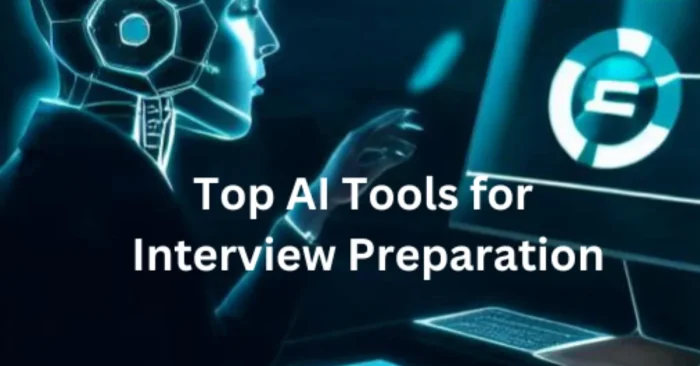
AI tools for interview preparation help job seekers and professionals prepare efficiently for interviews by offering personalized guidance, practice scenarios, and feedback. These tools analyze your responses, highlight strengths and weaknesses, and suggest improvements in communication, content, and body language. They generate industry-specific questions, simulate real interview situations, and track progress over time. By using AI, candidates can reduce anxiety, enhance confidence, and improve overall performance. These tools also provide resume optimization, study material recommendations, and analytics on practice sessions, ensuring comprehensive preparation for any type of interview. For broader career preparation, you can explore AI Tools for Job Seekers, which covers resume writing and networking integration. You can also explore the AI Resume Writing Tool and AI tools for resume screening to optimize your applications.
1. Mock Interview Simulation
AI tools create realistic mock interviews with role-specific questions. They simulate both technical and behavioral scenarios, providing candidates with a lifelike interview experience. In addition to feedback on timing, tone, and answer quality, these tools often benchmark performance against industry norms and can align with broader HR practices like those described by AI tools for HR and recruitment. This helps users refine their approach and perform confidently during real interviews.
2. Resume and Profile Analysis
AI evaluates resumes and online professional profiles, suggesting improvements for formatting, keywords, and content relevance. This ensures applications are optimized for applicant tracking systems (ATS) and aligned with industry standards, increasing the chances of being shortlisted. For end-to-end optimization, consider AI tools for resume screening and the AI Resume Writing Tool to craft ATS-friendly resumes.
3. Personalized Question Generation
AI generates interview questions tailored to a candidate’s role, experience, and industry. By practicing these personalized questions, users can prepare specific, relevant answers, enhancing readiness for interviews and boosting performance in real scenarios. These capabilities pair well with broad preparation resources like AI tools for HR and recruitment.
4. Communication Feedback
AI tools analyze spoken responses, assessing clarity, tone, pacing, and language use. They provide actionable suggestions to improve verbal communication, ensuring candidates convey their ideas clearly and professionally during interviews.
5. Behavioral Assessment
AI evaluates candidate responses for behavioral traits such as problem-solving, leadership, and adaptability. This helps users understand how they are perceived and adjust their answers to align with desirable qualities, improving HR interview outcomes.
6. Study Material Recommendations
AI suggests relevant articles, tutorials, and videos based on the interview’s subject matter and industry trends. Candidates can focus on key areas for improvement, enhancing knowledge efficiently without wasting time on irrelevant topics.
7. Progress Tracking and Analytics
AI monitors practice sessions, tracks performance trends, and highlights areas needing improvement. Detailed analytics help users measure growth over time, adjust preparation strategies, and ensure readiness for the actual interview.
8. Industry Insights
AI provides insights into company culture, industry-specific questions, and common interview practices. This knowledge allows candidates to tailor responses appropriately, demonstrating preparedness and understanding of their field during interviews. As of 2026, more organizations rely on AI-driven analytics to inform hiring strategies and interview prep, underscoring the value of these tools in modern recruitment. For broader trends in talent strategy, see AI tools for HR and recruitment.
9. Confidence Enhancement
AI tools offer exercises to reduce anxiety, improve body language, and boost self-presentation. By simulating interviews and providing feedback, candidates gain confidence and feel more prepared to perform under pressure.
10. Time Management Assistance
AI helps candidates schedule practice sessions, prioritize questions, and allocate study time effectively. This ensures organized preparation, reduces last-minute stress, and maximizes efficiency, allowing users to cover all important topics systematically.
(FAQs)
Q1: Can AI replace human interview coaches?
AI provides practice and feedback, but human coaches offer nuanced guidance and mentorship for personalized improvement.
Q2: Are AI tools suitable for all types of interviews?
Yes. AI can be customized for technical, HR, managerial, and creative roles, providing relevant preparation for each type.
Q3: Do AI tools improve real interview performance?
Yes. By offering mock sessions, feedback, and progress tracking, AI helps candidates enhance confidence, clarity, and overall readiness.
Learn More About AI Course AI Course Details