Overview
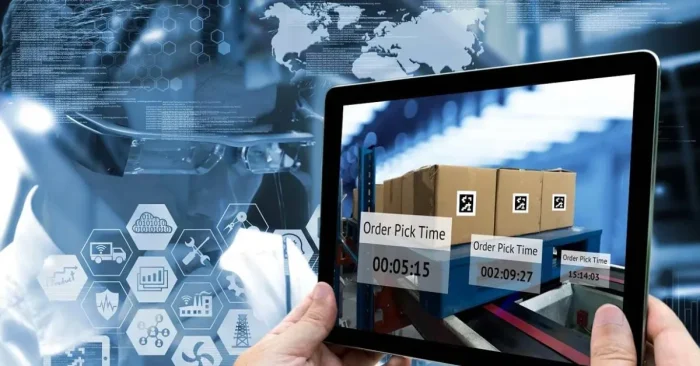
AI tools for inventory optimization are transforming supply chain management by enabling smarter stock management, reducing waste, and improving operational efficiency. These tools leverage artificial intelligence, machine learning, and predictive analytics to forecast demand, monitor stock levels, and automate replenishment. AI algorithms analyze historical sales data, seasonal trends, supplier performance, and market conditions to optimize inventory across warehouses and retail locations. By integrating AI with ERP systems and IoT devices, businesses can reduce overstocking, avoid stockouts, and minimize holding costs. Widely used by retailers, manufacturers, and logistics companies, AI-powered inventory optimization tools enhance profitability, ensure product availability, and support data-driven decision-making while improving overall supply chain resilience. As adoption grows, many organizations integrate AI with ERP systems and IoT devices to enable real-time visibility, smarter replenishment, and resilience. For a broader view of these capabilities, AI tools for supply chain management can provide deeper insights.
1. Llamasoft – AI Supply Chain Optimization
Llamasoft leverages AI to optimize inventory across complex supply chains. AI algorithms forecast demand, identify stock imbalances, and suggest optimal replenishment strategies. Businesses can reduce waste, improve service levels, and enhance overall supply chain efficiency. For a broader look at demand forecasting methods, see AI tools for demand planning.
2. Netstock – AI Inventory Management
Netstock uses AI to monitor stock levels and predict future demand. AI algorithms analyze sales trends, seasonality, and supplier performance to recommend optimal reorder quantities, ensuring products are available while reducing excess inventory. This aligns with broader demand planning concepts found in AI tools for demand planning.
3. E2open – AI Inventory Insights
E2open leverages AI to provide real-time inventory visibility and analytics. AI algorithms forecast demand, optimize safety stock, and identify potential disruptions in the supply chain, helping businesses make proactive inventory decisions. For a broader view of supply chain optimization approaches, see AI tools for supply chain management.
4. o9 Solutions – AI Integrated Planning
o9 Solutions uses AI to integrate demand planning, inventory optimization, and supply chain management. AI algorithms analyze historical data, market trends, and sales forecasts to improve inventory allocation and reduce operational costs. For more on demand planning, explore AI tools for demand planning.
5. Blue Yonder (formerly JDA) – AI Forecasting
Blue Yonder leverages AI for predictive inventory management. AI algorithms forecast demand accurately, optimize stock levels, and automate replenishment across multiple locations, enhancing operational efficiency and customer satisfaction. See also AI tools for supply chain management for a broader perspective.
6. Oracle NetSuite – AI Inventory Optimization
Oracle NetSuite uses AI to analyze inventory data, forecast demand, and suggest replenishment strategies. AI algorithms help businesses maintain optimal stock levels, reduce holding costs, and improve order fulfillment rates. To broaden your understanding of AI-driven inventory capabilities, refer to AI tools for demand planning.
7. SAP Integrated Business Planning – AI Analytics
SAP IBP leverages AI to provide demand forecasting, inventory optimization, and supply chain insights. AI algorithms help businesses adjust stock levels dynamically, minimizing shortages and excess inventory across global operations. For a broader look at demand forecasting, see AI tools for demand planning.
8. Kinaxis RapidResponse – AI Supply Chain Control
Kinaxis uses AI to monitor inventory in real-time and simulate supply chain scenarios. AI algorithms recommend inventory adjustments, enabling faster decision-making and reducing risks associated with stockouts or overstocking. For more on supply chain optimization, check AI tools for supply chain management.
9. ClearMetal – AI Demand Forecasting
ClearMetal leverages AI to provide predictive inventory insights and demand forecasting. AI algorithms analyze historical sales, seasonality, and market trends to optimize stock levels and improve supply chain performance. This complements insights from AI tools for demand planning.
10. RELEX Solutions – AI Retail Inventory
RELEX Solutions uses AI to optimize retail inventory, forecast demand, and automate replenishment. AI algorithms help retailers maintain product availability, reduce waste, and improve profitability through intelligent stock management. This approach aligns with broader strategies discussed in AI tools for demand planning.
(FAQs)
Q1: How do AI tools improve inventory optimization?
AI tools analyze sales data, demand patterns, and supplier performance to forecast demand, optimize stock levels, and automate replenishment, reducing waste and improving operational efficiency.
Q2: Are AI inventory optimization tools suitable for small businesses?
Yes, platforms like Netstock and RELEX Solutions provide scalable solutions for small and mid-sized businesses, helping them maintain optimal inventory levels efficiently.
Q3: Can AI tools help reduce inventory costs?
Absolutely, AI tools minimize overstocking, prevent stockouts, and optimize warehouse operations, leading to significant cost savings and improved profitability.
Learn More About AI Course https://buhave.com/courses/learn/ai/