Carlos Slim – Biography
Early Life and Education
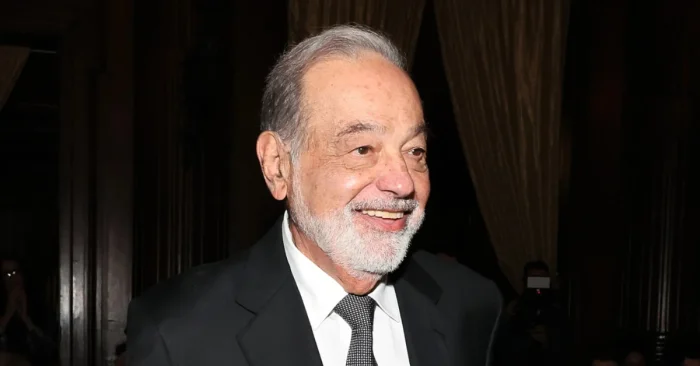
Carlos Slim was born on January 28, 1940, in Mexico City, Mexico. He grew up in a family of Lebanese descent, with strong business roots. His father, Julián Slim Haddad, owned a dry goods store and taught young Carlos valuable lessons about finance, bookkeeping, and investment from a very young age. By the time Carlos was 12, he had already made his first investment in government savings bonds, setting the stage for his future in business. He studied at the National Autonomous University of Mexico (UNAM), where he pursued civil engineering, building a foundation that would later complement his finance and economics interests.
Early Business Ventures and Growth
After graduating, Slim entered the business world with a sharp eye for opportunity. He founded Inversora Bursátil, a stock brokerage firm, and soon expanded into real estate, construction, and mining. Throughout the 1970s and 1980s, Slim’s strategy was simple but effective: acquire undervalued companies during times of economic downturn. His investments spanned multiple industries, including manufacturing, retail, and finance. Slim displayed an exceptional ability to identify potential in struggling businesses and turn them around. This diversified approach helped him build a resilient business empire that could weather Mexico’s volatile economy. This mindset resonates with other business magnates profiled in our site, such as Rick Caruso Biography and Jorge Pérez Biography, who built diverse portfolios through strategic acquisitions.
The Rise of Grupo Carso
In 1980, Slim consolidated his growing business interests under Grupo Carso, named after the combination of his name and his wife’s, Soumaya Domit. Grupo Carso quickly became one of the most powerful conglomerates in Mexico, holding interests in industries as diverse as telecommunications, banking, insurance, retail, and construction. Slim’s acquisition strategy was opportunistic and bold. During Mexico’s financial crisis in the 1980s and early 1990s, Slim made some of his most significant acquisitions, buying stakes in major companies like Cigatam (cigarettes), Seguros de México (insurance), and eventually the state-owned telephone company, Telmex, which would become his most significant holding. This pattern of opportunistic consolidation and long-term value creation is also discussed in profiles such as Rick Caruso Biography and Stephen Schwarzman Biography.
Dominance in Telecommunications
The acquisition of Telmex in 1990 marked a turning point for Slim. With control over Mexico’s dominant phone company, Slim expanded its reach, improved efficiency, and leveraged its profitability to fuel further expansion. Telmex became the foundation of América Móvil, which would grow into one of the largest telecommunications companies in the world. Through América Móvil, Slim expanded his reach across Latin America and even into Europe, making him one of the most influential figures in the global telecom industry. His dominance in telecommunications played a major role in propelling him to the top of global wealth rankings. This long-term, value-oriented approach is echoed by other diversified magnates, such as John Catsimatidis Biography.
Global Investments and Diversification
Beyond telecommunications, Slim continued to diversify his investments. He acquired significant stakes in foreign companies, including The New York Times, and made investments in real estate, mining, infrastructure, and retail. His investment style remained consistent: value-oriented, long-term, and diversified. This strategy allowed him to maintain a robust and diversified portfolio that continued to thrive even as individual industries faced challenges. Slim’s financial acumen and patience helped him amass a fortune that repeatedly placed him among the world’s richest individuals, even surpassing Bill Gates for several years. For additional context on how diversified portfolios are built, see Edward Roski Jr Biography.
Philanthropy and Personal Life
Carlos Slim is deeply committed to philanthropy, particularly through the Carlos Slim Foundation, which focuses on education, healthcare, and poverty alleviation. His foundation has funded extensive health initiatives, supported education programs, and invested in scientific research and cultural preservation, including the Museo Soumaya in Mexico City, which houses an extensive art collection in honor of his late wife. Museo Soumaya opened in 2011 to showcase a diverse collection and cultural initiatives. Despite his immense wealth, Slim is known for his relatively modest lifestyle. He lives in the same house he has owned for decades and avoids the extravagances often associated with billionaires. Family remains central to Slim’s life, and he has involved his children in managing various aspects of his business empire.
Conclusion
Carlos Slim’s journey from a young boy learning finance at his father’s store to one of the world’s wealthiest and most influential businessmen is a story of vision, discipline, and patient capital. His talent for spotting undervalued assets, combined with long-term growth strategies, helped shape Mexico’s modern economy and build a diversified global portfolio. While his methods have faced scrutiny, his philanthropic efforts through the Carlos Slim Foundation and his cultural ventures, such as Museo Soumaya (opened in 2011), underscore a broader impact. Today, Slim remains a respected figure in global business, with a legacy that highlights disciplined capital allocation and strategic patience.
Frequently Asked Questions (FAQs)
How did Carlos Slim make his fortune?
He made his fortune by acquiring undervalued companies across diverse industries, especially during economic downturns, and later expanded into global telecommunications through Telmex and América Móvil.
What companies does Carlos Slim own?
He controls Grupo Carso, América Móvil, and has significant stakes in various companies, including The New York Times and numerous businesses in Mexico and abroad.
Is Carlos Slim involved in philanthropy?
Yes, through the Carlos Slim Foundation, he supports education, healthcare, scientific research, and cultural initiatives in Mexico and globally.
Where does Carlos Slim live?
He lives in Mexico City, residing in the same house he has owned for many years.
What makes Carlos Slim’s business approach unique?
His focus on undervalued assets, diversification, long-term investments, and his strategic patience distinguish him from many other business leaders.