Lola Beltrán – Biography
Early Life and Family Background
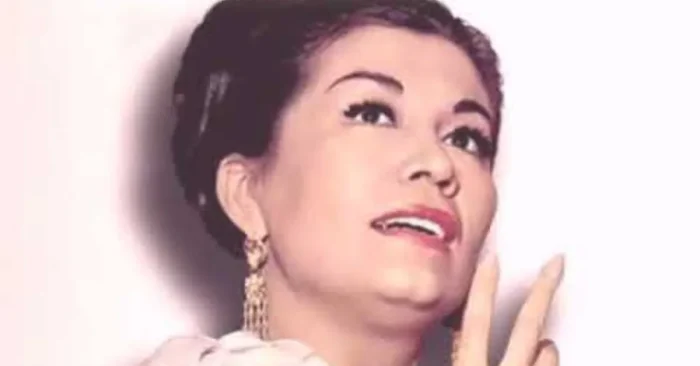
María Lucila Beltrán Ruiz, known professionally as Lola Beltrán, was born on March 7, 1932, in El Rosario, Sinaloa. Raised in a family that cherished traditional Mexican music, she developed an early love for singing and ranchera styles. Encouraged by her family despite financial constraints, she performed at school and community events from a young age. After finishing her basic education, she moved to Mexico City to pursue a professional singing career, embracing the uncertainty ahead. Her early life and rise to prominence are part of BUHAVE’s broader biographies of Latin American artists, such as Rosalía.
Early Career Struggles
Arriving in Mexico City in the early 1950s, Lola faced numerous hardships. She initially worked as a secretary at the radio station XEW to support herself. Her big break came when she participated in a talent contest on the station and impressed audiences with her powerful voice. Over time, she gained attention for her emotive interpretations of traditional songs. Still, her rise was not immediate—opportunities were limited, and she had to prove herself in a male-dominated genre. Through persistence and a unique vocal style, she earned performance spots on radio programs and slowly built a reputation that led to recording contracts and live shows. Becky G Biography.
Breakthrough and Stardom
Lola Beltrán’s national breakthrough came with her heartfelt renditions of classic rancheras, particularly the song “Cucurrucucú Paloma,” which became her signature piece. Her voice combined elegance with raw emotion, resonating with audiences across social classes. In the 1950s and 1960s, she became one of Mexico’s most beloved singers, frequently performing on television and in concert halls. She starred in over 50 films and was a regular on the popular show “Noches Tapatías.” Beltrán’s performances, often dressed in traditional charro attire, became symbolic of national pride. She was soon regarded as the “Queen of Ranchera Music” and a cultural ambassador for Mexico’s musical heritage. Her influence extended beyond Mexico, a broader Latin music narrative explored in Karol G Biography.
Musical Career and Legacy
Over the course of her career, Lola Beltrán recorded more than 100 albums and worked with leading composers such as José Alfredo Jiménez and Tomás Méndez. Her voice was considered one of the most important in Latin American music, and she performed internationally in countries including Spain, Cuba, and the United States. She was also the first ranchera singer to perform at the prestigious Palacio de Bellas Artes in Mexico City, breaking genre barriers. Her influence extended beyond music—she elevated ranchera to an art form and inspired a new generation of female vocalists to pursue traditional genres with pride and professionalism. Her influence on later artists is discussed in Natanael Cano Biography, and her international reach foreshadowed cross-border stars like Jennifer Lopez.
Personal Life and Public Persona
Lola Beltrán married matador Alfredo Leal, with whom she had one daughter, María Elena Leal, who also pursued a singing career. Despite her fame, Beltrán maintained a dignified and graceful public image, known for her deep patriotism and commitment to cultural preservation. She was a frequent guest at government events and remained closely connected to the people of Mexico, often performing at rural festivals and national celebrations. Throughout her life, she balanced motherhood with a demanding career and was seen as a role model for women in the arts. Her warm demeanor and commanding presence made her a beloved figure on and off the stage.
Honors and Cultural Impact
Lola Beltrán received numerous accolades, including national and international awards for her contributions to music. She was honored with the Aztec Eagle, Mexico’s highest award given to foreigners, highlighting her global influence. Several monuments and cultural centers have been named in her honor, and her music continues to be a staple in Mexican households and public ceremonies. She was also a pioneer in using television as a platform to elevate traditional music. Her dedication to preserving ranchera music ensured its place in modern Mexican identity, and she is remembered not only for her voice but for her cultural legacy as well.
Conclusion
Lola Beltrán’s journey—from a small town in Sinaloa to a defining voice in ranchera music—remains a story of resilience and cultural pride. Her timeless vocal elegance and stage presence helped popularize ranchera across generations, and her legacy continues to influence artists today. Even decades after her passing in 1996, her recordings remain widely streamed and celebrated. Her trailblazing career also paved the way for later cross-border stars such as Jennifer Lopez, highlighting the enduring reach of her legacy.
Frequently Asked Questions
What was Lola Beltrán’s most famous song?
“Cucurrucucú Paloma” is widely considered her signature song and remains one of the most iconic pieces in Mexican music history.
Did Lola Beltrán act in films?
Yes, she acted in more than 50 films, often playing roles that highlighted traditional Mexican values and music.
Was Lola Beltrán the first female ranchera singer?
She was not the first, but she was one of the most influential and helped elevate the genre to new artistic heights.
Did she receive any major awards?
Yes, she received numerous honors, including national awards and recognition for her cultural contributions in Mexico and abroad.
When did Lola Beltrán die?
Lola Beltrán passed away on March 24, 1996, in Mexico City, leaving behind a rich musical legacy.