- Are you in the market for a laptop?
- Do you have trouble choosing what size may be best for your needs?
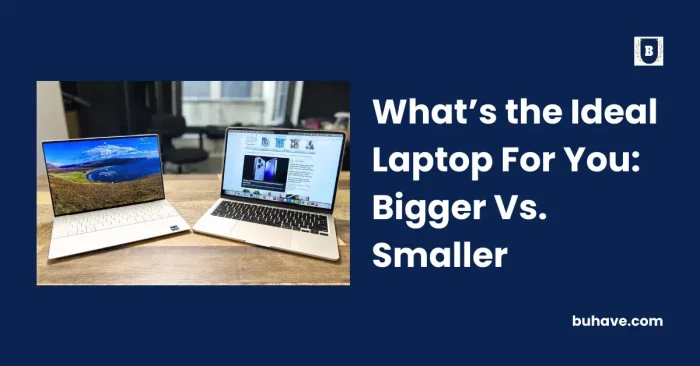
Choosing the right laptop size can significantly impact your day-to-day productivity. As of 2024–2025, mainstream laptops typically come in 13–16 inch ranges, with 17-inch models still favored by some for immersive work but often less portable. The decision between larger and smaller laptops hinges on portability, display clarity, battery life, and cost. This guide provides practical comparisons and up-to-date market options, including current offers on laptops for sale at Riverdale’s laptops for sale, to help you make a buying choice that fits your workflow.
Introducing the debate: What’s Better for Your Needs, a Bigger or Smaller Laptop
When choosing a laptop, size matters because it affects portability, usability, and total cost of ownership. Whether you prefer a bigger or smaller device, there are clear pros and cons to weigh.
A larger laptop provides a bigger screen for multitasking and media, while a smaller one is lighter and easier to carry when you travel. Both options support different workflows and budgets.
Ultimately, the right choice depends on your specific needs and priorities. As technology evolves, laptop sizes and features continue to diversify, giving you more flexible options for work, study, and play.
Comparing the Pros and Cons of a Bigger vs. Smaller Laptop
Size can influence your overall experience when buying a new laptop. A larger model often delivers a bigger screen and more robust performance, but at the cost of extra weight and reduced portability.
Conversely, a smaller laptop is more travel-friendly and typically lighter, but may compromise on battery life, performance, or display options. Weigh the trade-offs to determine which size best fits your use case.
Consider your primary use—work, school, or entertainment—and weigh factors like battery life, processing speed, keyboard comfort, and display quality to decide. Both bigger and smaller laptops have advantages and drawbacks, so choose the device that best meets your needs.
Tips on Choosing the Right Size of Laptop for You
When it comes to choosing the right laptop size, there are a few factors to consider to ensure you get the perfect fit for your needs.
First, consider your usage.
- Are you planning on using it primarily for work or entertainment?
This will help you determine the ideal screen size, with larger screens being better for multitasking and productivity, while smaller screens are more portable and better for movies and streaming. For example, understanding LCD Panels can help you evaluate color accuracy and clarity.
Next, think about portability. Will you be carrying your laptop around frequently, or will it mainly stay in one place? If you plan on traveling often, a lightweight and compact laptop may be the best choice.
Lastly, don’t forget about comfort. Make sure the keyboard and touchpad are comfortable to use and the screen resolution is clear and easy on the eyes. If you plan to use the device for trading or finance, consider a dedicated Trading Laptop with security features and robust uptime. With these factors in mind, you’ll be able to choose the perfect laptop size to fit your lifestyle and needs.
The Benefits of Shopping at Riverdale for Laptops
Shopping for a laptop can be overwhelming, but Riverdale helps simplify the process with a wide selection and knowledgeable staff to guide your choice.
Riverdale also offers competitive pricing and frequent deals, making it a go-to destination for many buyers. Investing in a laptop is an important decision, and Riverdale’s value comes from a combination of product variety, reliability, and helpful customer support. For business buyers, pairing Riverdale hardware with Managed IT Services can optimize IT assets and support.
Disadvantages of Bigger vs. Smaller Laptops
Choosing between bigger and smaller laptops comes with trade-offs. A larger model often offers a more comfortable keyboard, better processing power, and a bigger display—great for productivity and media. However, this size can be bulky and heavier, reducing portability.
Smaller laptops are highly portable and often have longer battery life and lower price points, but they may sacrifice keyboard comfort and processing power.
Trade-offs include typing comfort, processing power, and screen size. The best choice depends on your primary tasks and how you plan to use the device.
In sum, both big and small laptops have a place in today’s market. Your decision should fit your storage needs, portability requirements, display expectations, computing power, and speed.