
Even with stunning facial features and balanced proportions, crooked, overcrowded, or misaligned teeth can dim an otherwise glowing appearance. At the same time, jaw and bite alignment issues can contribute to health problems and discomfort. This can dent your confidence and wellbeing, and influence how you interact with others.
Orthodontics helps resolve both aesthetic and functional problems that can affect your health and comfort. To help you learn more about improving your smile and daily wellbeing, here’s a quick guide to this popular dentistry practice.
What is Orthodontics?
Orthodontics is a specialized branch of dentistry that focuses on correcting irregularities in the jaw and teeth. It helps improve both the appearance of your smile and the function of your bite, supporting overall wellbeing. While cosmetic dentistry smile makeovers can enhance aesthetics, orthodontics targets alignment and bite issues that affect long-term health and comfort. For parents evaluating early care for children, Signs Your Child May Need Orthodontic Care can offer helpful indicators.
Which Concerns Does Orthodontics Address?
From replacing missing teeth with custom abutment implants to realigning crooked teeth for a better bite, orthodontics offers a wide range of treatments across ages. These options can resolve concerns including but not limited to the following problems. For adults seeking discreet options, Invisalign has become a popular choice.
- Misaligned teeth
- Crooked teeth
- Overcrowded teeth
- Gapped teeth
- Overbite
- Underbite
- Jaw pain
- Temporomandibular joints (TMJs) disorders
If you have an issue that can be treated by orthodontics, you might get it covered by your dental insurance. For this purpose, you need to consult with an orthodontist as well as your insurance provider to figure out the best path forward for you.
What Are Some Popular Orthodontics Treatments?
While orthodontics offers a variety of treatments, it does have some practices that are more popular than others. The following list sheds a light on them.
Metal Braces
Metal braces are fixed to your teeth and connected with a metal wire, which helps move your teeth’s position to deliver a better and perfectly-aligned smile. Since you have to continuously wear braces, usually for a couple of years, you can take some inspiration from positive quotes for kids and adults to wear them with confidence.
Ceramic Braces
Where metal braces are instantly visible to others whenever you smile, ceramic braces have a more concealed look to them due to matching the color of natural tooth enamel. But in some cases, it may be necessary for you to wear metal braces instead in order to properly fix your smile.
Clear Aligners
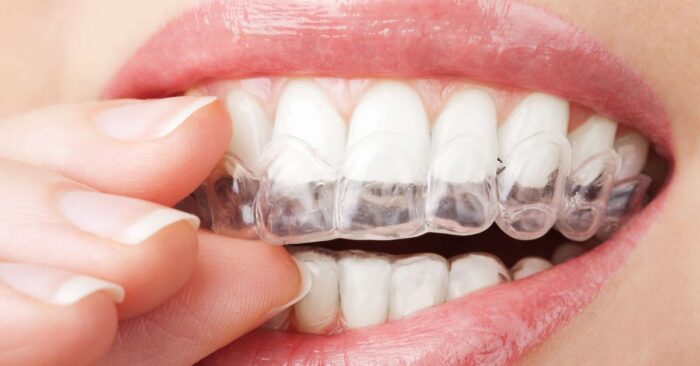
In many situations, you may not need traditional braces. Instead, you could wear clear aligners, such as Invisalign, for at least 20 hours a day to fix your teeth alignment issues. Invisalign has gained popularity for its discreet appearance, though it can be a bit more expensive than some other options, so budgeting for it can help you stay on track.
Retainers
When you fix your teeth alignment issues with braces or aligners, you have to wear retainers for every night afterwards. You need to get these retainers especially made from your dentist. Similar to learning cleaning tips for dental implants, you also need to remember how to keep your retainers clean. For additional guidance on maintaining a healthy smile alongside orthodontic care, see Top Tips to Enhance Your Smile with Cosmetic Dentistry.
Palate Expanders
For children, if their upper jaw’s structure makes their teeth become overcrowded or causes issues like underbite, they may need to wear a palate expander that is fixed on the upper jaw. This can prevent the need to wear braces for a longer period later in life.
Elastics
Sometimes, your teeth might need extra pressure along with braces to fix their alignment. This is where elastics come into the picture. These rubber bands are fixed from one brace hook to the other to create prolonged pressure. You need to wear them daily and replace them yourself. If you follow daily rituals like using a journaling app, you may adopt this habit easily.
Headgear
In some cases, you may need to wear headgear to fix the issues of your jaw and teeth alignment. While this is not a common practice anymore, it is still needed for some dental patients. You can discuss your concerns with your orthodontist to explore all your treatment options.
After learning how orthodontics works, you can confidently reach out to an orthodontist to discuss a personalized plan that targets comfort, function, and aesthetics, helping you achieve the smile you deserve.