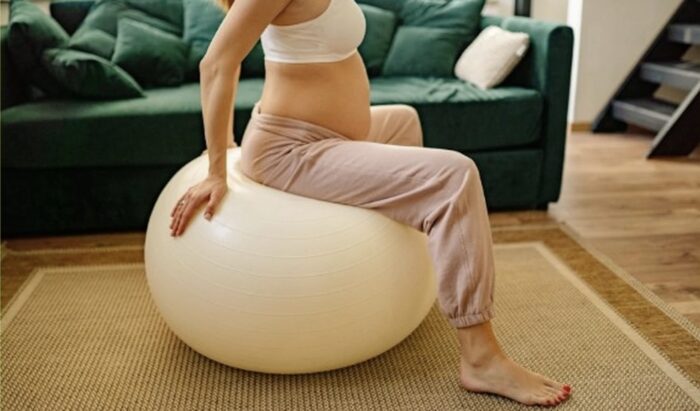
Pregnancy brings many physical changes to the body. Some changes are expected, while others can make everyday activities more challenging. Pelvic and lower back discomfort are common during pregnancy, especially as the body adapts to extra weight, changes in posture, and softer tissues around the joints.
For some women, the discomfort is mild and comes and goes. For others, it can affect walking, sleeping, climbing stairs, working, or even simple movements like turning over in bed. This can be frustrating, particularly when rest alone does not provide relief.
Osteopathy may help support women experiencing pregnancy-related pelvic and lower back discomfort through gentle assessment, hands-on care, movement advice, and practical guidance. The aim is to improve comfort, support movement, and offer safe management options during pregnancy.
Why Pelvic and Lower Back Discomfort Can Happen During Pregnancy
During pregnancy, the body goes through many natural changes. As the baby grows, weight distribution shifts, the lower back may curve more than usual, the abdominal muscles stretch, and the muscles around the hips, pelvis, and spine often work harder.
Hormonal changes also affect the ligaments that support the joints. As these tissues become more flexible, some women may notice that the pelvis and lower back feel less stable. This does not mean the body is weak. It simply reflects the body’s natural adaptation to pregnancy.
Daily activities can also increase strain. Long hours of sitting, lifting children, standing for extended periods, poor sleep, and reduced movement can all place additional stress on the pelvis and lower back. Over time, these small stresses may contribute to pain or stiffness.
What Is Pregnancy-Related Pelvic Girdle Pain?
Pregnancy-related pelvic girdle pain (PGP) is discomfort around the pelvic joints. It may occur at the front of the pelvis near the pubic bone or at the back near the sacroiliac joints. Some women also experience pain in the hips, buttocks, groin, or thighs.
PGP often becomes more noticeable during activities such as walking, climbing stairs, turning in bed, getting in and out of a car, standing on one leg, getting dressed, or lifting and carrying objects.
The symptoms vary from one person to another. Some women describe a dull ache, while others experience sharper pain during movement. The intensity can also change throughout the day depending on activity levels, posture, and rest.
How Osteopathy May Help During Pregnancy
Osteopaths assess how the body moves and functions as a whole. During pregnancy, this may include examining the lower back, pelvis, hips, legs, posture, and overall movement patterns.
Treatment may involve gentle hands-on techniques, soft tissue therapy, joint movement, stretching, and advice about everyday movement. Every approach should be adapted to the stage of pregnancy and the individual’s comfort.
Osteopathy may help some women feel more comfortable, move more easily, and manage daily physical strain. However, results vary from person to person, and a careful assessment is always necessary before deciding on the most appropriate care.
What Happens During an Osteopathic Pregnancy Assessment?
The first appointment usually begins with a detailed discussion about your pregnancy, symptoms, general health, previous injuries, and any advice already provided by your midwife or doctor.
The osteopath may ask where the discomfort is located, when it started, what improves it, and what makes it worse. They may also discuss your sleep, work routine, exercise, daily activities, and any previous back, hip, or pelvic concerns.
After this discussion, they may assess your posture and movement. This could include observing how you stand, walk, bend, and move your hips and lower back. All assessments should be carried out gently and only with your clear consent.
You should always feel comfortable asking questions during the assessment. You also have the right to decline any part of the examination. Consent is an essential part of safe and respectful care.
Gentle Hands-On Treatment
Treatment during pregnancy should always be gentle and adapted to your comfort. Depending on your stage of pregnancy, you may be treated while lying on your side, sitting comfortably, or supported with pillows. Positions that feel painful or uncomfortable should always be avoided.
Hands-on treatment may include soft tissue massage, gentle joint mobilisation, stretching, or muscle relaxation techniques. The aim is to reduce strain, support movement, and help the body adapt more comfortably to pregnancy.
The osteopath may work on the lower back, pelvis, hips, upper back, or legs, depending on the assessment findings. They should explain each technique and its purpose before beginning treatment.
Some women may experience mild soreness after treatment, but this usually settles quickly. If pain becomes worse or new symptoms develop, medical advice should be sought.
Movement Advice and Simple Exercises
Hands-on treatment is only one part of osteopathic care. Practical advice for everyday activities can be equally valuable.
An osteopath may recommend gentle exercises to support the hips, pelvis, lower back, or core muscles. These exercises should always be appropriate for the stage of pregnancy and tailored to the individual’s symptoms.
Advice may include:
- Turning in bed with less strain.
- Getting in and out of a car more comfortably.
- Improving sitting and standing posture.
- Managing stairs more safely.
- Lifting correctly when lifting cannot be avoided.
- Using pillows for better sleep support.
- Pacing daily activities to reduce unnecessary strain.
Although these changes may seem small, they can reduce pressure on the pelvis and lower back while making everyday movement more comfortable.
Daily Tips That May Help
There are also simple steps that may help reduce discomfort during pregnancy. Small changes to your daily routine can often make everyday activities feel more comfortable.
Try sitting down while getting dressed, especially when putting on trousers, socks, or shoes. This helps avoid standing on one leg, which may increase pelvic discomfort for some women.
When turning in bed, keeping your knees together may feel more comfortable. Many women also find that placing a pillow between the knees provides extra support for the hips and pelvis.
When using stairs, taking one step at a time may help reduce strain. Wearing supportive footwear can also improve comfort. If standing for long periods makes symptoms worse, taking regular short breaks may be helpful.
If lifting is necessary, keep the object close to your body and avoid twisting while lifting. Whenever possible, ask for assistance with heavier tasks.
When to Speak to a Midwife, GP, or Doctor
Osteopathy should be used alongside maternity care and should never replace medical advice.
Speak to your midwife, GP, or doctor if your pain is severe, develops suddenly, gets worse quickly, or follows a fall or injury. You should also seek medical advice if your pain is accompanied by bleeding, fever, feeling very unwell, a severe headache, swelling, reduced baby movement, numbness, weakness, or changes in bladder or bowel control.
These symptoms do not always indicate a serious condition, but they should always be assessed by an appropriate healthcare professional. Safe care includes knowing when additional medical support is needed.
Osteopathy and Research
Osteopathy is a regulated healthcare profession in the UK, and research continues to explore how osteopathic care may support a range of musculoskeletal conditions.
For pregnancy-related pelvic and lower back discomfort, it is important to have realistic expectations. Some women may experience noticeable relief, while others may benefit from support provided by a wider healthcare team, including a midwife, physiotherapist, GP, or consultant.
Choosing an Osteopath During Pregnancy
When choosing an osteopath, make sure they are properly registered and experienced in supporting pregnancy-related concerns. They should clearly explain the assessment process, discuss available treatment options, and adapt care according to your comfort and stage of pregnancy.
If you are looking for local support, clinics such as Arc Osteopathy may help women with musculoskeletal concerns, including those dealing with pregnancy-related pelvic or lower back discomfort.
This should be one part of a care plan when needed, especially if symptoms are severe or linked to other health concerns.
Final Thoughts
Pregnancy-related pelvic and lower back discomfort can develop as the body adapts to changes in weight, posture, joint loading, and muscle demands. These changes may affect walking, sleeping, climbing stairs, working, and other everyday activities.
Osteopathy may provide gentle assessment, hands-on treatment, simple exercises, and practical advice to help improve comfort and support movement throughout pregnancy. Care should always be based on informed consent, adapted to each stage of pregnancy, and used alongside routine maternity care whenever appropriate.
If pain becomes severe, develops suddenly, feels unusual, or is accompanied by other concerning symptoms, it is important to seek medical advice promptly. A careful and well-informed approach helps protect both comfort and overall wellbeing throughout pregnancy.