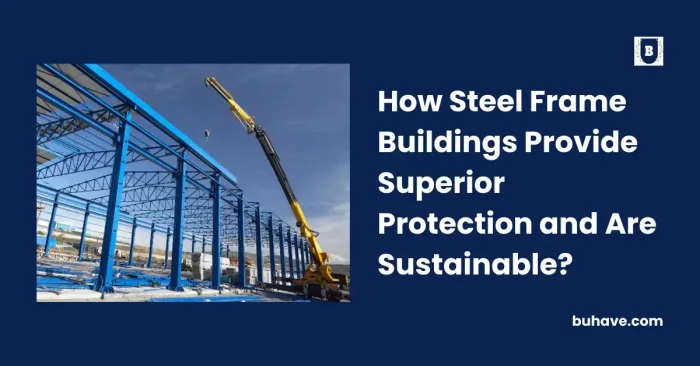
Steel structures are increasingly favored in modern construction for their resilience, durability, and sustainability. Steel frame systems offer robust protection against natural disasters and extreme weather, while enabling faster assembly and design flexibility. For updated trends in the industry, see our modern construction methods in 2024.
In this article, we explore how steel frame buildings deliver superior protection and sustainability, and why they are an ideal choice for contemporary projects. Learn how prefab warehouses leverage steel framing for rapid deployment.
Resilience and Strength
Using steel in construction provides superior protection and durability against natural disasters and extreme weather conditions. They offer superior protection against natural disasters like earthquakes, hurricanes, and fires. Steel buildings can withstand extreme weather conditions and are more resistant to water damage and rot than traditional wooden structures. The use of steel also provides additional structural support, making them ideal for large and complex buildings. Modern connections and design practices further enhance seismic and wind performance, increasing reliability in challenging environments.
Energy Efficiency
Using steel in construction provides durable protection against natural disasters and extreme weather conditions. While steel is a good conductor of heat, modern insulated panels and continuous thermal breaks help create highly effective insulation, significantly reducing energy consumption and operating costs. Steel buildings can also incorporate sustainable features such as solar panels, providing additional energy savings. In addition, steel framing works well with energy modeling and modern construction practices to optimize building performance.
Sustainability
Using steel in construction provides superior protection and durability against natural disasters and extreme weather conditions. Steel is highly recyclable and can be reused and repurposed without creating waste. The use of steel in construction reduces deforestation, making it an eco-friendly choice. It also requires less maintenance than traditional wooden structures, reducing energy and resource use over the building’s lifecycle. For a broader discussion of sustainability benefits, see Boost Your Business with Sustainability: The Top Benefits.
Flexibility and Customization
Steel is versatile and can be shaped and moulded into different designs, allowing for unique and creative architectural features. The use of steel also provides ample space for expansion and modification, making it easier to adapt to changing needs over time. This flexibility and customization feature makes the steel frame ideal for businesses, institutions, and residential properties. This flexibility is particularly valuable for institutions and temporary facilities like classrooms or modular spaces. For a practical look at building temporary school structures, see our Beginner’s Guide to the Construction of Temporary School Buildings.
Cost-Effective
Using steel frames is a cost-effective building solution, providing long-term cost savings in maintenance and repair. Metal frames reduce construction time, leading to lower labour costs. Steel is also durable and requires less maintenance and repair than traditional building materials, reducing overall maintenance costs. Steel frame structures have a longer lifespan than traditional wooden structures, making them a more cost-effective long-term investment.
Aesthetics
Steel frames can provide a modern and sleek aesthetic, offering unique design possibilities with various materials. They can be painted in various colours, creating unique and creative designs. They can create large open spaces, providing the building with a modern and spacious feel. Steel structures can also incorporate various materials, such as glass and wood, giving the building a unique and personalized look.
Fire Resistance
Steel-framed constructions provide excellent protection against fires, as using steel frames mitigates the risk of fire spreading and can endure high temperatures, preventing structural collapse. This fire resistance feature can also decrease insurance premiums, making the steel frame an even more economically viable option.
Fast Construction
The steel frame can be constructed quickly and efficiently. Prefabricated steel frames can be made off-site and easily transported to the construction site, reducing construction time and labour costs. This fast construction feature can also allow for faster occupancy, reducing time and money spent on temporary accommodations.
Conclusion
Steel frame structures are ideal for modern construction due to their protection, durability, and sustainability. With their energy efficiency, flexibility, customization, and long-term cost savings, steel frames offer a compelling alternative to traditional building methods. The aesthetic appeal and design versatility of steel frames also support a wide range of projects, from commercial to residential. For a broader look at current construction trends, see our guide to modern construction in 2024, and explore sustainability benefits in Boost Your Business with Sustainability: The Top Benefits.