
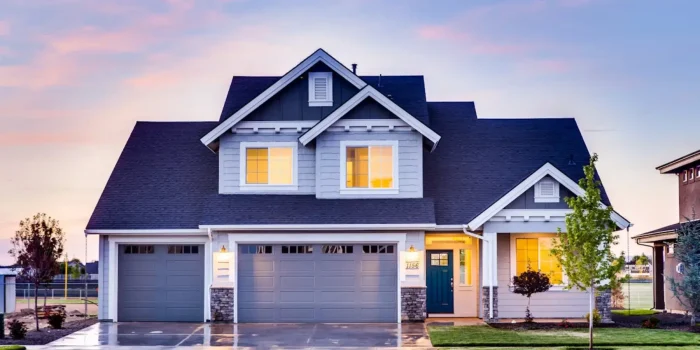
Building a new home offers an opportunity to prioritize comfort, energy efficiency, and long-term convenience through thoughtful climate-control design. A key decision homeowners often overlook is selecting the right device to manage heating and cooling.
The climate-control choices you make during construction will influence comfort levels, energy usage, and ease of operation for years to come—especially as smart-home features become standard. Understanding what to look for can help you choose a solution that fits your lifestyle and enhances the overall performance of your new build.
Start With HVAC System Compatibility
Before selecting any device, it’s essential to confirm compatibility with your home’s HVAC system. Heating and cooling setups vary widely, including heat pumps, multi-stage systems, zoning setups, and variable-speed equipment. Choosing a device that pairs well with your specific configuration ensures efficient operation and prevents installation issues.
Many modern smart thermostats are designed to work with a broad range of systems, but compatibility still needs to be verified during the planning phase. Consulting both your HVAC contractor and the manufacturer’s guidelines will help you make the best choice for long-term reliability. For zoning considerations and modern construction planning, see our step-by-step construction guide.
Consider How Much Technology You Want
New homes give you the freedom to integrate as much—or as little—technology as you want. Some homeowners love automation, app-based controls, and voice-activated adjustments, while others prefer simple, intuitive functionality without too many advanced features. Identifying your comfort level with technology will help narrow your options. Today’s thermostats frequently offer energy dashboards, remote control, and integration with popular voice assistants (such as Apple HomeKit, Google Assistant, and Amazon Alexa).
For instance, those who prefer dependable performance with user-friendly controls often gravitate toward Honeywell thermostats, which offer a balance of simplicity and modern features. On the other hand, buyers who want advanced customization may prefer devices with learning capabilities, geofencing, or deeper smart-home integration. If you’re curious about sensors and automation, see Smart Sensors and What They Can Contribute to Your Home.
Evaluate Energy-Saving Features
Energy efficiency is one of the most important long-term benefits of choosing the right system. Features such as scheduling, adaptive learning, and automatic temperature adjustments help reduce energy waste while maintaining a comfortable indoor environment. For practical energy-saving tools, see our guide on 8 Home Essentials That You May Need This 2023.
Devices that offer usage reports and energy insights allow homeowners to monitor patterns and adjust settings more effectively. Even traditional setups benefit when paired with a smart thermostat, which helps optimize the heating and cooling cycles. These small adjustments can add up to significant energy savings over the lifespan of the home.
Think About Zoning and Multi-Level Comfort
Larger homes or multi-story layouts often require more than one control system to maintain even comfort throughout the space. If you’re planning zoning areas in your new build, be sure to choose devices that work seamlessly with your zoning controls. Zoning allows each area of the home to be heated or cooled independently, which improves comfort and reduces energy consumption.
With the right setup, you can maintain customized temperatures in bedrooms, living areas, or office spaces according to your preferences. Ensuring the control devices support zoning functionality will create a more balanced and efficient environment. For climate-aware renovations and zoning ideas, see Ten Home Renovations to Maximize Comfort in Humid Climates.
Focus on Long-Term Usability and Support
A new home is a long-term investment, and the climate-control technology you select should be just as dependable. Look for systems with strong manufacturer support, clear documentation, and reliable customer service.
Software updates, compatibility with future smart-home features, and overall durability all matter when considering long-term performance. Devices that are easy to use and easy to maintain will continue to support your comfort needs well after the home is built and occupied.
Conclusion
Choosing the right temperature-control system for your new build is a key factor in achieving consistent comfort, lower energy bills, and reliable long-term performance. By evaluating compatibility, your preferred level of technology, and the benefits of features like zoning and energy-saving tools, you can select a solution that truly fits your home.
With thoughtful planning and a clear understanding of your needs, you can ensure a smooth transition into your new space and enjoy dependable comfort from day one. For climate-focused renovations and comfort-improvement ideas, see Ten Home Renovations to Maximize Comfort in Humid Climates.