

Around 105 people die every minute worldwide, making death a constant part of life. For context on what people wish to have done or said at the end of life, see the Top 5 Regrets of the Dying. And while the loss of a loved one can feel heart-wrenchingly tragic, it is simply an inevitable fact of life that we are all forced to accept. While this isn’t always easy to do, it does help to familiarize ourselves with the various stages of death and so that we are better able to recognize what might be happening before our eyes. For many, understanding these signs can prepare families to provide comfort and appropriate support in those final days.
More often than not, death seems unexpected and sudden. However, in the case of someone with a chronic illness, the signs can show themselves as early as 3-6 months in advance. The better we can understand these signs, the easier it will be for us to be there for someone in their final stages of life.
What are the Final Stages of Death?
Here is the list of 12 death signs and the final stages of life
- A Loss of Appetite and Energy
- Change in Sleeping Patterns
- Isolation from Family and Friends
- Changes in Bowel Habits
- Muscle Fatigue
- Confusion and Disorientation
- Changes in Breathing Patterns and the “Death Rattle”
- Restlessness and Agitation
- Temperature and Color
- Hallucinations and Visions
- The Vital Signs Summarized
- Rigor Mortis
So, let’s get into what happens to a person when they’re nearing the end of their mortal journey.
Stage 1 – A Loss of Appetite and Energy
When a body is nearing its end stages, it begins to lose its energy. This, in turn, reduces the need for calories and fuel, which causes a slight decline in the patient’s appetite. In addition to this, they may also show signs of difficulty in swallowing and refuse any drink or food you offer them.
However, their mouths may also become uncomfortably dry during this time. To help ease their discomfort you can consider using ice chips or wetting their lips with a soft wet cloth or apply a moisturizing lip balm.
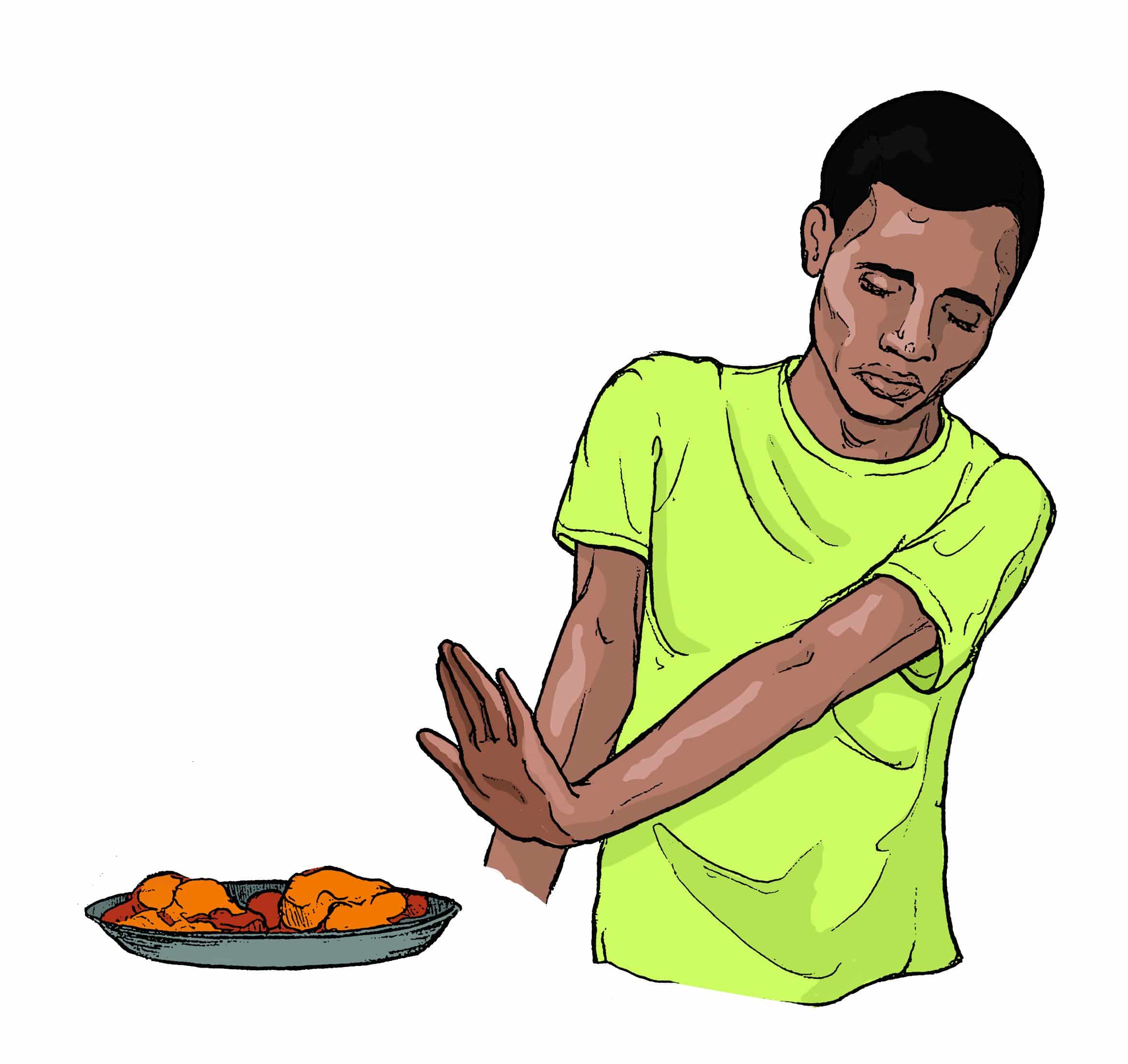
Do not force them to consume anything, as it will likely do more harm than good. Respect their denial of food, and simply be with them during this difficult time.
Stage 2 – A Change in Sleeping Patterns
A deviation from normal sleeping habits can occur as early as 2–3 months before the patient’s death, reflecting lower energy and fatigue levels. Dying individuals often sleep several hours more than usual and benefit from quieter, low-stimulation times.
To understand practical ways to support someone during this time, see Eight Meaningful Condolence Gifts for Grieving Loved Ones.

You can support your loved one by ensuring a peaceful sleeping environment and refrain from any loud outbursts, noises, or anything that might excite or overwhelm the patient. However, whenever possible do try and get them to take a short walk in between their naps to prevent any stiffness, discomfort, or bedsores due to lack of mobility. At the same time, respect their choice to stay in bed and do not force them into doing too much activity, visiting friends, or engaging socially when they do not want to.

It is helpful to provide a calm, soothing environment and to avoid large crowds or noisy surroundings. A calm, soothing environment can support comfort and security for your loved one during this time. A calm, soothing environment would be ideal to let your loved one know that they are cared for and loved even during their final days.
Stage 3 – Isolation from Family and Friends
During one’s final days, it is common to experience a certain detachment to the world you’re in. You can observe a decline in conversation, a distracted or dazed aura, and a less responsive demeanor. If you find that they aren’t paying attention to you, do not take it personally.
It is just the body’s natural way of preparing someone to detach from their world. Be sure to avoid any loud noises, bursts of energy, or overwhelmingly large gatherings around the patient. A calm, soothing environment would be ideal to let your loved one know that they are cared for and loved even during their final days.
Allow them their moments of quiet silence and let them do what they have to do to prepare their minds and bodies for the moments to follow. For additional context on end-of-life experiences, see our piece on the vegetative state.
Stage 4 – Changes in Bowel Habits
Given that their appetite has changed, it is natural for their bowel movements to change as well. A dying person is likely to urinate and defecate much less frequently during their end days.
Another important symptom to look for is signs of constipation or incontinence. They may lose control over their urination as well. Prolonged constipation can even have the effect of reduced mobility.
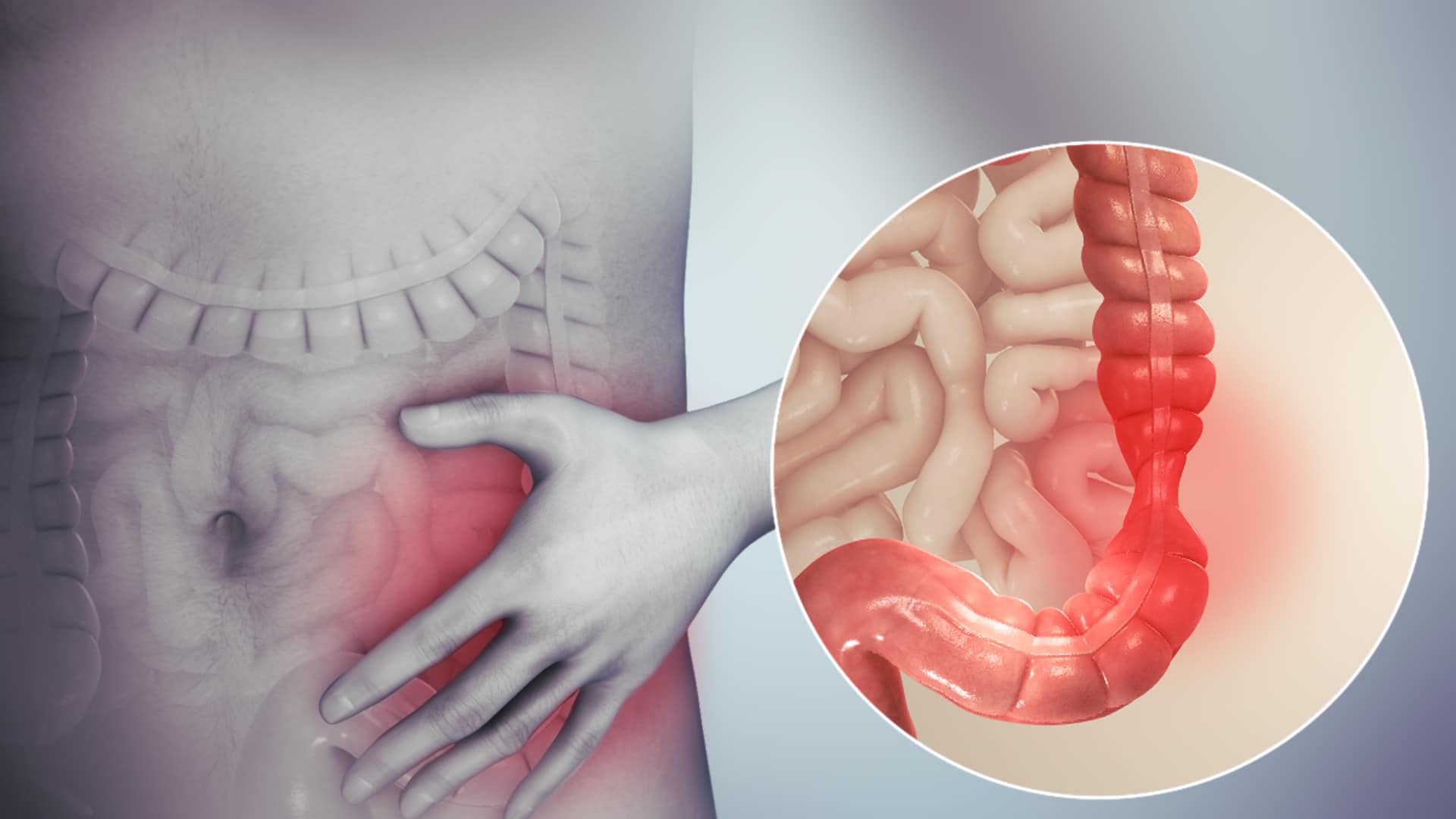
If needed your doctor can prescribe a mild laxative to relieve them from any discomfort they might be experiencing. As death approaches, it is natural for the body’s muscles to relax, initiating the release of bowels or slight urination.
Stage 5 – Muscle Fatigue
Given that the body is approaching its final stages, a person might experience severe tiredness or fatigue. They will be a noticeable decrease in their energy levels and their need for movement.
Also remember that they are experiencing a reduced need for food and drink, which also contributes to their fatigue and weak muscles. They may not be able to carry out normal tasks like going to the bathroom, taking a shower, or changing their clothes.
This fatigue is further exacerbated if the patient is an older individual with mobility issues. They may not even be able to turn over in their beds while sleeping. You can help them out by making sure you’re with them as often as you can and gently assist them with the tasks they find particularly difficult.

If the patient is reluctant to accept your help, do maintain your calm. They are likely to let their discomfort get in the way of communicating clearly. You can soothe them by maintaining your composure and letting them know that if they do need you, there is no shame in getting the help they need.
Stage 6 – Confusion and Disorientation
Confusion and disorientation are often accompanied by severe restlessness. Losing one’s motor skills, the ability to speak clearly, or even the ability to make decisions is very common to a dying patient.
You can offer your support by helping them complete simple daily tasks that they find difficult to do. Help them walk up the stairs, or down the stairs and try to maintain a calm, relaxed demeanor when you are with them. For more context on how families cope, see Do Patients in a Vegetative State Recognize Loved Ones?
Stage 7 – Changes in Breathing Patterns and the “Death Rattle”
Breathing may become more rapid or slow down immensely; it is different for everybody. You may also hear sounds emanating from the person’s mouth that resembles gurgling. This sound is called “the death rattle”.
The reason behind this ominous-sounding symptom is the decline in a person’s ability to swallow, cough, or clear saliva out of their mouth. As their breathing and swallowing changes, you’ll hear a crackling sound or even a gentle moaning. It really depends on the person and their individual experience with death.
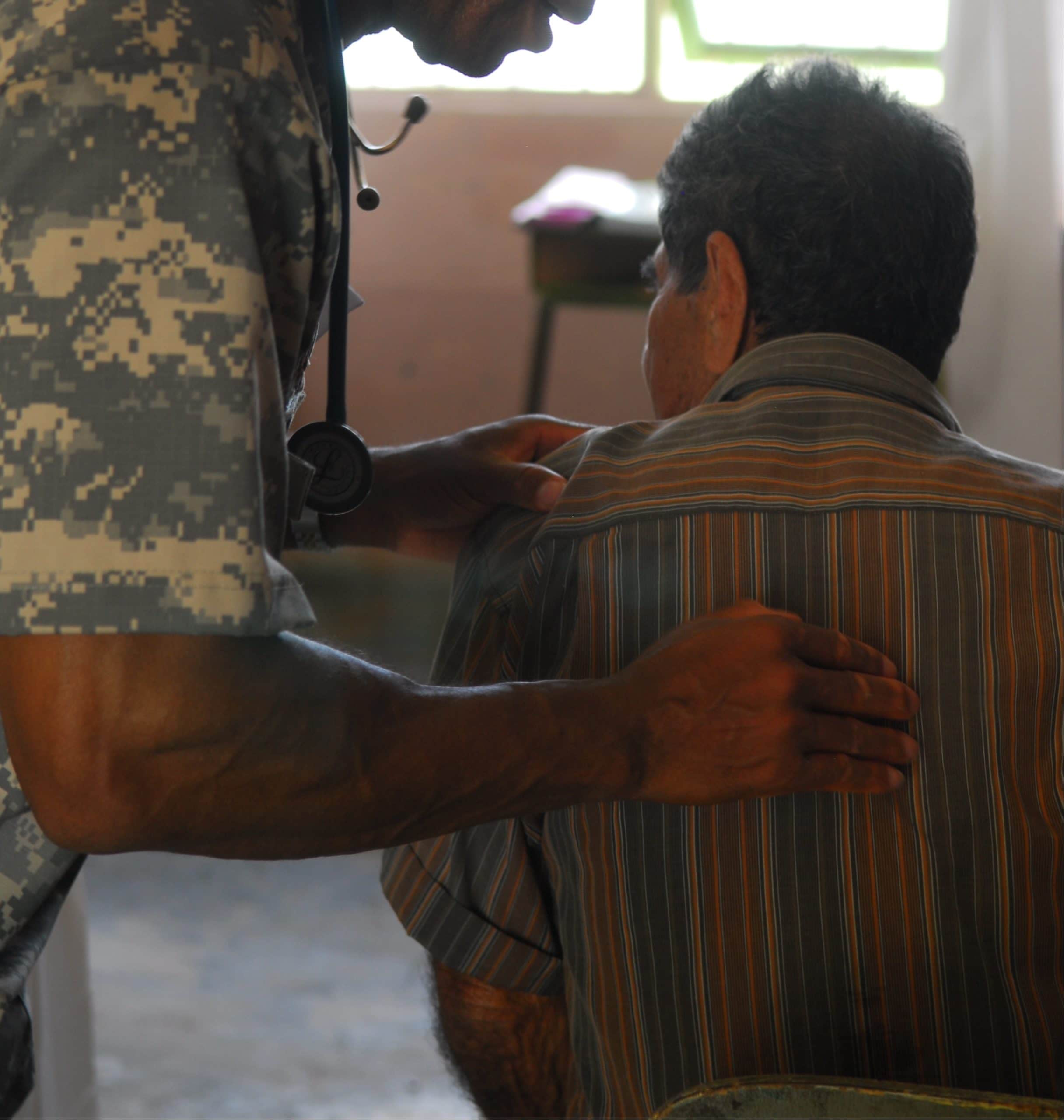
This might be a little disturbing for you to hear, but rest assured your loved one is not experiencing any physical pain or discomfort due to this symptom. They are simply slipping into a quiet stupor. You can be supportive by gently raising their heads to help them breathe a little better, alert your nurse or doctor, and gently wipe away any excess saliva that might be near their lips.
Stage 8 – Restlessness and Agitation
Terminal delirium refers to a state of agitation and cognitive impairment in a dying patient. This can be accompanied by excessive twitching, fidgeting, sudden movements, irritability, and in some cases even paranoia. While this can be especially distressing to deal with, understand they do not do this by choice, or because they have a genuine reason to be upset with you.
This kind of behavior is especially common with cancer patients, tumor patients, and recovering addiction. Terminal delirium itself is not painful, but there are medications available to control it if you feel like the patient is transitioning into uncontrollable hysteria. Don’t try to reason with the patient, but simply be there for them and speak in a soothing voice.
Stage 9 – Temperature and Color
A dying body loses is warmth as the moments go by. This process can involve drastic changes in body temperatures, complaints of hot and cold flashes, and varying temperatures across the body.
It is common for the abdomen to feel warm, while the rest of the body is a much cooler, temperature. The person might even experience a very high fever. In response to these changes the physical body also begins to change causing changes in the color of the skin.
The skin may turn blotchy and purple, waxen, or even pale yellow during the final stages.