
Gold has long been viewed as a “safe” investment. When markets get shaky, people turn to gold. It’s stood as a hedge for centuries. If you’re thinking about trading gold rather than just buying and holding it, you’ll need a plan. That’s where a trading strategy comes in.
Don’t worry if it sounds complicated. It’s not. Let’s walk through how beginners can start building a simple and smart gold trading strategy, plus practical tips to manage risk from the start.
Understand How Gold Trading Works
First things first. Know what you’re actually trading. Gold trading doesn’t always mean buying physical gold bars or coins. Most people trade gold CFDs, ETFs, or futures. These let you profit from gold price movements without owning the metal itself. If you’re looking for practical beginner guidance, check out 4 Trading Mistakes That Cost Beginners the Most.
The goal is simple: buy when you think prices will go up, sell when they’ll go down. But to do that successfully, you need to understand what moves gold prices.
Here are a few key factors:
- Global economy: When markets are uncertain or geopolitical tensions rise, gold prices often rise.
- US dollar: Gold usually moves in the opposite direction of the dollar.
- Inflation: Higher inflation can push gold prices up.
- Interest rates: When rates drop, gold often becomes more attractive.
Keep an eye on these trends. They’ll help you make smarter trading decisions.
Choose Your Trading Style
Not everyone trades gold the same way. Your gold trading strategy (กลยุทธ์ เทรด ทอง) should match your personality and schedule. For broader financial tips, see 5 Smart Money Moves to Secure Your Financial Future.
Day traders open and close trades within the same day. It’s fast-paced and needs constant attention. Swing traders hold trades for a few days or weeks, focusing on medium-term price moves. Long-term traders buy and hold for months or even years, based on bigger trends.
If you’re new, swing trading is often a good starting point. It gives you time to analyze the market without having to stare at charts all day. To avoid common beginners’ mistakes, you can also review 4 Trading Mistakes That Cost Beginners the Most.
Learn to Read Gold Price Charts
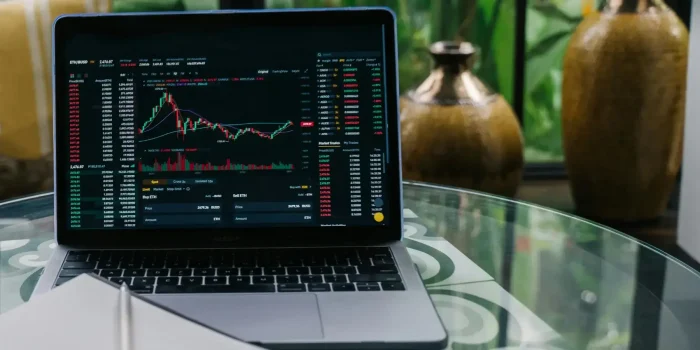
Charts are your best friend in trading. They show how gold prices move over time and help you spot patterns. If you’re curious about how technology can aid analysis, check out AI Tools for Trading.
Start by learning technical analysis. That means using tools like moving averages, support and resistance lines, and trend indicators.
For example:
- When the price moves above the 50-day moving average, it often signals an uptrend.
- When it drops below, it could mean a downtrend is starting.
Don’t worry about mastering everything at once. Start simple. Practice spotting basic trends and price patterns.
Manage Your Risk
Here’s a golden rule (pun intended): never risk more than you can afford to lose. For practical guidance on avoiding common pitfalls, see 4 Trading Mistakes That Cost Beginners the Most.
Every trade should have a stop-loss. That’s the price where you automatically close a trade to prevent big losses. A good starting point is to risk only 1–2% of your trading capital per trade. This discipline aligns with smarter money moves outlined in 5 Smart Money Moves to Secure Your Financial Future.
Also, remember that gold can be volatile. Prices can swing fast, especially during global news events. Stay calm, stick to your plan, and avoid trading on emotion.
Keep a Trading Journal
This might sound boring, but it’s one of the smartest habits you can build. Write down every trade — what you did, why you did it, and what happened. For broader financial planning perspectives, see 5 Smart Money Moves to Secure Your Financial Future.