List of Top 10 Visiting Places in Japan
Japan ranks among the world’s top travel destinations, blending centuries of tradition with cutting-edge modernity. Visitors can immerse themselves in historic temples and shrines one day and glimpse the future through advanced technology the next.
Most historic sites remain active cultural landmarks open to the public, and Japan’s natural beauty shines year-round. If you’re planning broader trips in Asia, you may also enjoy our guide to Top 10 Visiting Places in Indonesia, or explore Top 10 Visiting Places in Thailand. For further inspiration, we also feature guides such as Top 10 Visiting Places In Dubai and Top 10 Visiting Places In Russia.
Here is the list of the top 10 visiting places in Japan
1. Golden Pavilion
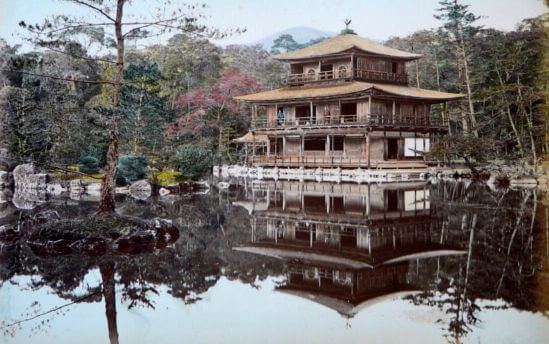
Kinkaku-Ji or the Temple of the Golden Pavilion is the most popular tourist attraction in Japan and Kyoto. The pavilion was originally built as a retirement villa for Shogun Ashikaga Yoshimitsu in the late 14th century. Unfortunately, the pavilion was burnt down in 1950 by a young monk who had become obsessed with it.
Five years later, the temple was rebuilt as an exact copy of the original. Emphasis is placed on the building and surrounding gardens being in harmony with one another. The pavilion is covered in gold leaf which highlights the reflection of the pavilion in the pond and the pond’s reflection on the building.
2. Mount Fuji
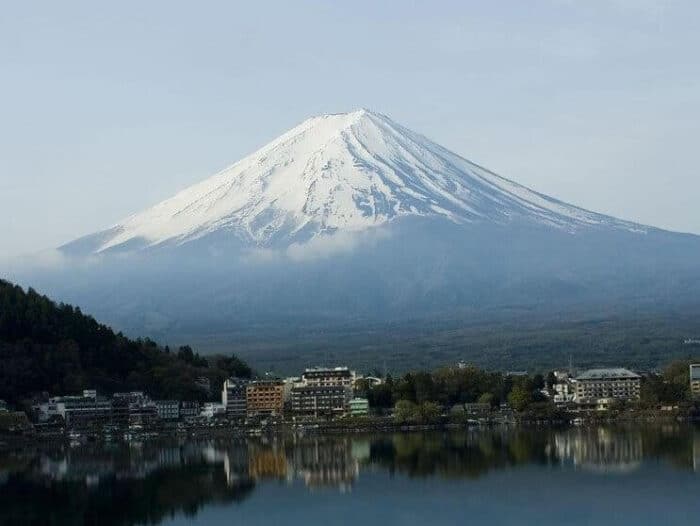
Mount Fuji is the most elevated mountain in Japan at 3,776 meters (12,388 ft). The spring of gushing lava’s incredibly even cone is a notable image of Japan and it is as often as possible delineated in workmanship and photos, just as a well-known vacation spot for tourists and climbers.
An estimated 200,000 people climb Mount Fuji each year, 30% of whom are foreigners. The ascension can take anywhere from three to eight hours while the descent can take from two to five hours.
3. Tokyo Imperial Palace
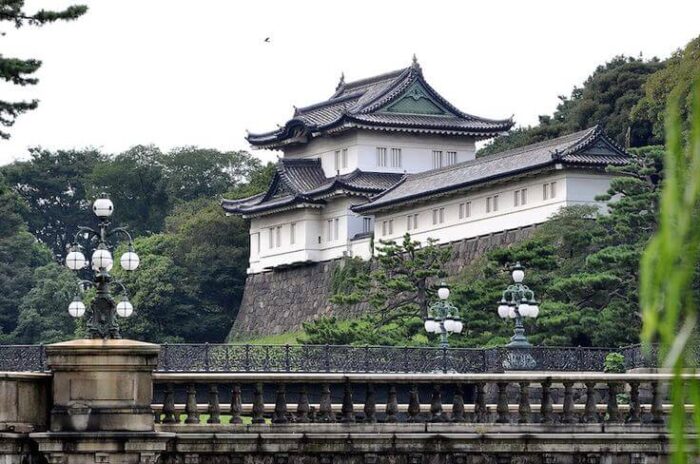
The Emperor of Japan makes his home at the Tokyo Imperial Palace. It additionally works as an organization place and historical center to feature Japanese workmanship and history. The royal residence is determined to the remains of more established strongholds that were decimated by fire or war, and engineers have regarded the past by joining plan components of the various periods into the cutting edge castle.
The new royal residence is encompassed by customary Japanese gardens and has numerous gathering and capacity rooms to get visitors and welcome people in the public.
4. Tokyo Tower
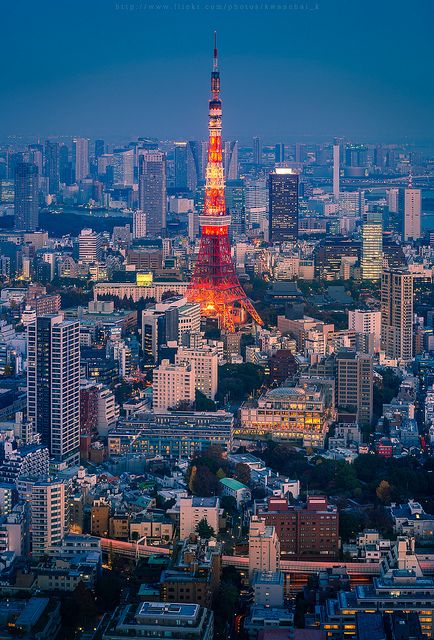
The Tokyo Tower is a demonstration of the progression of innovation and present-day life. Propelled by the Eiffel tower plan, it is the second tallest man-made structure in Japan and capacities as an interchange and perception tower.
Guests can climb the pinnacle for unrivaled perspectives on Tokyo and the encompassing territories just as visit shops and eateries.
5. Todaji Temple
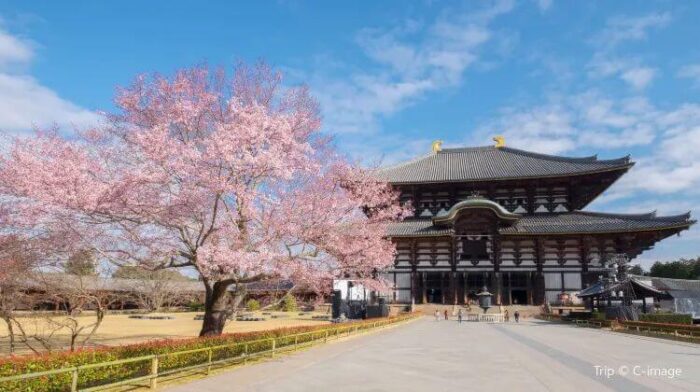
The Todaiji Temple in Nara is a feat of engineering. It is not only the world’s largest wooden building, it is home to the world’s largest bronze Buddha statue. Surrounded by beautiful gardens and wildlife, the Kegon school of Buddhism is centered here and the grounds hold many artifacts of Japanese and Buddhist history. Deer are allowed to freely roam the grounds as messengers of the Shinto gods.
6. Great Buddha Of Kamakura
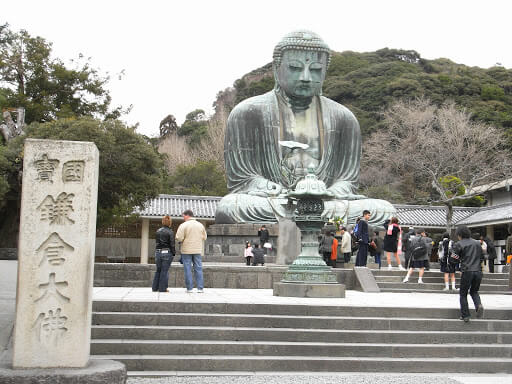
The Great Buddha of Kamakura is an enormous open-air portrayal of Amida Buddha, one of Japan’s most observed Buddhist figures. Cast in bronze, the Great Buddha remains at more than 13 meters (40 feet) high and weighs about 93 tons.
The statue apparently dates from 1252. In spite of the fact that it initially was housed in a little wooden sanctuary, the Great Buddha presently remains on the outside as the first sanctuary was washed away in a tidal wave in the fifteenth century.
7. Himeji Castle
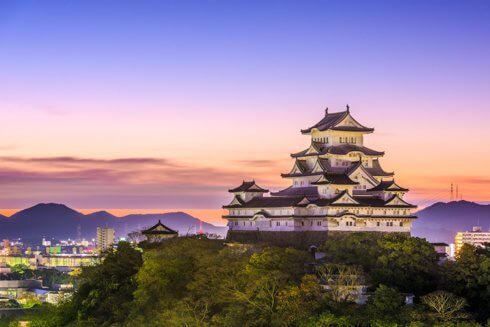
The Himeji Castle is viewed as the best existing case of Japanese château design. It was strengthened to safeguard against foes during the primitive time frame, however, it has been modified commonly consistently and mirrors the distinctive structure periods.
It ensures the bombings of World War II and is as often as possible found in household and remote movies, including the James Bond film You Only Live Twice. The white outside and configuration give the manor the presence of a winged animal taking off, procuring the château the epithet ‘white egret palace’.
8. Kiyomizu-Dera
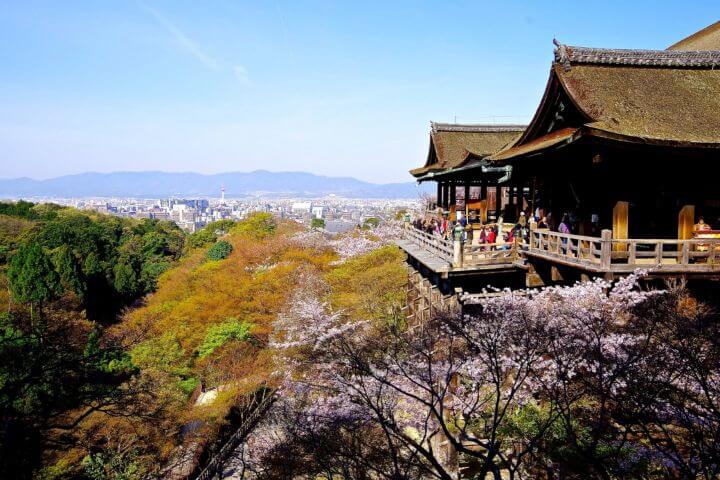
The Kiyomizu-Dera Buddhist sanctuary is situated in Eastern Kyoto and can be followed back similarly to the year 798. An indoor cascade took care of from the outside stream keeps the sanctuary in amicability with nature and not one nail was utilized in development.
While local people used to bounce off the edge to have a desire conceded (with an endurance pace of 85.4%), present-day guests can appreciate the hallowed places and charms and work of art in plain view without gambling life and appendage.
9. Jigokudani Monkey Park
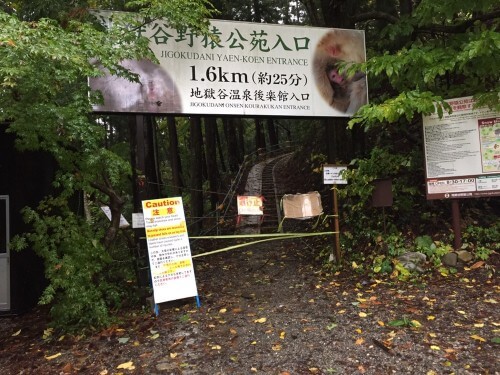
Jigokudani Monkey Park is a famous natural sanctuary near Nagano. The name Jigokudani means “Hell Valley,” a reference to the steam vents and bubbling hot springs that vent through the rocky landscape, surrounded by steep cliffs and cool forests. The park is renowned for its large population of wild snow monkeys that visit the valley in winter when snow blankets the area.
During the day, the monkeys descend from the cliffs and forests to soak in the warm hot springs, then retreat back to the forest for safety at night.
10. Hiroshima Peace Memorial
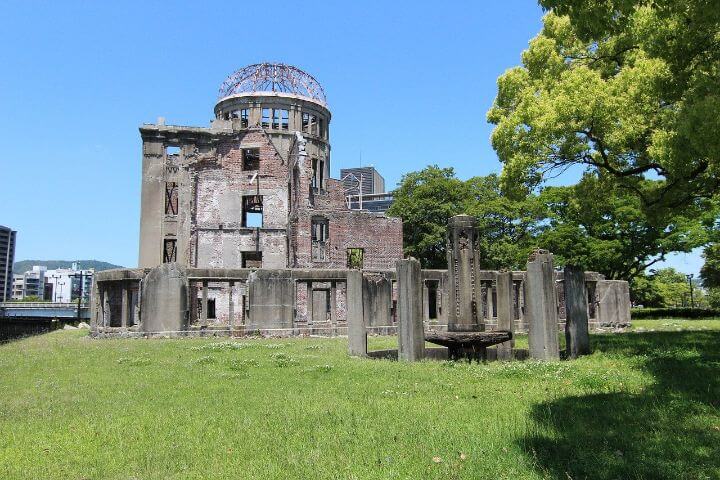
The Hiroshima Peace Memorial is an eerie tribute to the lives lost when the nuclear bomb was dropped on Hiroshima on August 6, 1945. Set in a park, the memorial highlights Genbaku Dome, the only structure left standing in the area after the bombing.
This solemn reminder of war underscores the value of human life and can inspire travelers to explore other poignant destinations such as Top 10 Visiting Places in Australia, and more of our travel guides.