Gastric sleeve surgery is often considered after other weight-loss methods have not achieved desired results.
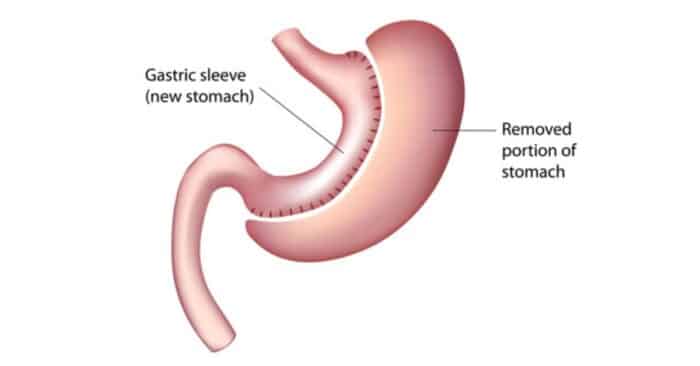
In this procedure, a portion of the stomach is removed and the remainder is stapled to form a sleeve-like tube. This reduces the stomach’s capacity, helping you eat less and typically achieve substantial weight loss over time. Vomiting after sleeve gastrectomy can be a common concern, and you may notice side effects such as nausea, vomiting, or constipation in the early recovery period. For broader insights on Digestive Health, see Digestive Health.
However, most of these side effects fade away quickly within a couple of weeks. Most side effects tend to improve within weeks, and many patients experience significant weight loss as the stomach becomes smaller, helping you feel full sooner. In general, individuals may achieve substantial excess weight loss during the first year after surgery, often around 50-70% of their excess weight. This procedure also requires lasting dietary changes. Here are some practical considerations during recovery.
- Thoroughly chewing the food to ensure that your stomach does not need much work to digest the food.
- Drinking while eating food is not recommended as it may lead the stomach to overfill and rupture the sutures.
- Fluids or water should only be consumed after thirty minutes of consuming food.
- High-sugar and calorie food and drinks like sodas and burgers should be avoided.
- Your healthcare team will discuss lifelong vitamin and mineral supplements that are often needed, varying by individual.
- You can start eating soft foods only after the first month of surgery; until then, the diet needs to be liquid.
Avoiding Nausea & Vomiting After The Surgery
Nausea and vomiting are some of the most common side effects to be noticed after the surgery. Usually, these symptoms disappear within the first couple of days after the surgery, but they may persist in some patients.
Dumping Syndrome
This is a common side effect noticed in patients undergoing gastric sleeve surgery. The dumping syndrome usually takes place five to ten minutes after eating something. A person may experience bloating, abdominal cramps, and fullness in their stomach. This is generally followed by diarrhea in some patients and can result in low blood sugar levels, weakness, and further nausea.
To mitigate this symptom, a person needs to maintain a balanced diet, ensuring he/she does not consume a lot of processed or simple sugars and fats, disrupting the body’s ability to digest them properly. The amount of sugar or fat a body can handle will vastly differ in individuals, so they might need to experiment with how much their body can handle.
Properly Chewing Food
This is a very important tip as you must thoroughly chew your food before swallowing it. This is because it helps the brain determine how full the stomach is and makes it easier for the stomach to digest the food.
For Digestive Health tips, see Digestive Health.
Overeating
Gastric sleeve surgery is meant to make a person eat less to make them lose weight. However, after the surgery, it usually takes the patients some time to figure out how much they can eat. Due to past habits, they might eat more food than their shortened stomach can hold, resulting in vomiting.
This is to be expected and is also an important step in learning how much food your body can handle in its current condition. Start with small portions, and once you see no side effects, you can increase it after consulting with your doctor.
Lying Down After A Meal
Lying down after a meal is a strict no, as it interferes with the digestion process of the stomach leading to indigestion, bloating, and nausea. You should wait for one to two hours before lying on the bed.
Tolerance Levels
This process might take some time to nail down completely. You need to track and note down the foods that are tolerated well by your body. Some foods that might be handled well by someone else might not suit you at all. However, it might be temporary if you notice that you cannot take some foods that you previously had no trouble eating. So, waiting until your stomach is adjusted to such foods again is a good idea.
Avoid Taking Medicine/Supplements Without Food
Under no circumstances should you take drugs or supplements on an empty stomach. Doing so can lead to further nausea, bloating, and vomiting. Chewable vitamins are something that is tolerated pretty well by many patients. However, you should consult your doctor before making any changes to your diet.
Hydration Is Key
You should consume at least 6-8 glasses of water every day to hit your daily quota. However, drinking water right after a meal or too quickly may result in vomiting. To prevent this, waiting at least 20-30 minutes after consuming a meal is recommended.
Conclusion
Nausea and vomiting are common early postoperative experiences for many sleeve patients, and anti-nausea medications are often prescribed to help manage them. For weight-management strategies that may accompany surgical recovery, see 4 Important Things to Know About Weight Loss Medications.
Some people notice that ginger or other dietary adjustments can help, but you should always consult your doctor before adding anything new to your routine. Other factors such as smoking, vaping, or certain pain relievers (like aspirin or NSAIDs) can irritate the stomach and worsen symptoms. A stricture, where the connection between the stomach and small intestine narrows, can also cause similar issues and may require medical evaluation. For more strategies that support long-term weight management and fitness, see Maximizing Results: How to Optimize Fitness and Weight Loss Efforts.
– If you are looking for guest posts in health “write for us” now.