
Imagine a world still grappling with COVID-19, where years of isolation might have felt endless. Biopharma breakthroughs turned that gloom into progress, accelerating essential therapies and prevention strategies across the globe.
Biopharmaceuticals harness biological systems to create new drugs and advanced therapies, including approaches for rare conditions that were once untreatable.
In recent years, the industry has prioritized cost-effective, efficient treatments, aided by analytical solutions that streamline the path from discovery to distribution.
As technology evolves, quality standards rise, prompting fresh biopharma advancements. Here are some notable developments shaping the field today.
Biopharma and the Recent Advancements
Various biopharma companies revamped their old vows to launch advanced remedies quickly and efficiently. This unleashed the potential of this industry to a certain degree. Some recent biopharma advancements include:
mRNA Vaccines
Despite vaccine hesitancy in some circles, mRNA vaccines have transformed global health with their powerful design.
They’re usually composed of harmless genetic instructions that teach body cells to produce a viral protein, triggering an immune response that strengthens the immune system and helps fight off invaders.
When delivered as messenger RNA, these instructions prompt cells to make a viral protein. The immune system recognizes the protein as foreign and mounts antibodies to neutralize real threats.
As a result, antibody production is boosted and antibodies can remain for extended periods, helping defend against future exposures. Moreover, mRNA platforms can be updated rapidly with minimal risk of introducing live agents.
AI tools for vaccine research are accelerating the design and testing of these vaccines.
Now mRNA vaccines are widely used for taming coronavirus. Proteins are produced by cells that display spike-like structures on their surfaces, enabling the immune system to recognize and respond to real threats.
Personalized Medications
Just like customized clothes, personalized medications are tailored to a person’s unique biological getup for treating rare conditions. These medicines can reduce side effects compared with standard therapies.
As some genetic differences mean a single drug may work for one person but not another, this approach is gaining traction. For deeper insights, see The Future of Personalized Medicine.
Understanding the art of DNA, personalized medicines can help people achieve faster and more seamless diagnosis. Moreover, they aid in predicting any upcoming disease based on symptoms as well as obstruct them from developing any further.
Furthermore, these medicines contain biomarkers that can pinpoint any internal changes before any symptoms even arise! This means the conditions can be resolved during early stages before they turn deadly.
Personalized medicines are now widely used for treating the most terrifying condition – cancer. The biomolecules assist in locating cancerous cells before they spread all over the body. So any risks of cancer taking over can also be curbed with the help of these medications.
Bioprinting
We all know 3D printing enables us to turn any product prototype to reality. Now would you believe if we say you can print organs! Just like 3D printers slowly create objects layer by layer, bioprinting enables us to build organs by printing with cells instead of ink.
Firstly, patients need to undergo an MRI scan to get a copy of their internal organization. This creates a blueprint based on which the tissue model will be developed. Cells are also mixed with bioinks to create an emulsion for printing the 3D organ.
Once the model is formed, the living cells start multiplying. Therefore, these 3D models can assist in research purposes for reforming the medication and cosmetic sectors.
Drug development costs can be significantly reduced as the tissue models are perfect during testing procedures. This means bioprinting will provide a more cost-effective result with reduced waste during drug discovery.
Now these organ models can also be used as dummies for practicing surgeries. Again, they can be used to research new possible diseases. Most importantly, surgeons will be able to conceal wounds using skin grafts or even plastic surgery.
Further research is required for transplanting artificial organs instead of waiting for a match from donors.
Gene Therapy
Another advanced treatment based on a person’s unique genetic configuration is none other than gene therapy. Extreme cases of rare diseases are combated using gene therapy by altering the genes of the patient. In this way, unnecessary medications and surgeries are significantly reduced.
Previously, gene therapy was streamlined by either introducing a new gene or fixing a gene by inserting a good version of the faulty gene.
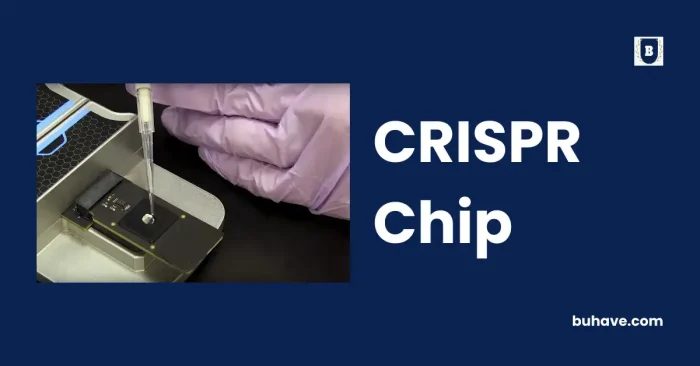
But it soon commenced the development of gene editing where the CRISPR-Cas9 tool acts as biological scissors to tailor a defective gene. This tool is used to add, remove, or simply repair the faculty gene responsible for causing diseases.
Damaged somatic genes can be treated by replacing it with a healthy gene in most conditions. But for genetically passed diseases, healthy genes are introduced to the germline cells i.e. which produce reproductive cells.
However, it’s not widely used and is used to treat a small circle of unique conditions. Leber congenital amaurosis is an eye condition that can be cured using gene therapy. Other extreme disorders like cystic fibrosis and even cancer can be overcome by harnessing this miraculous therapy.
Synthetic Biology
Tailoring organisms is pretty common in biopharmaceuticals. So synthetic biology isn’t an exception – it redesigns biological components by engineering them to achieve new properties that weren’t present naturally.
By utilizing modified bacterial chromosomes, further advancements in drug discovery can be seen. This technique can also be used to produce pharmaceutical intermediates that can assist in treating rare conditions.
Synthetic biology also assists in tailoring mammalian cells to create tools for identifying as well as interrupting emerging diseases. Biosensors can be produced that aids in identifying any new diseases based on a shift in the genetic getup.
This advanced procedure enabled researchers to come up with COVID-19 vaccines. Vaccine development and delivery has also been made much easier ever since its introduction.
A synthetic biology variant of salmonella has been successful in delivering vaccines without the requirement of needle pricks! This makes vaccination much easier for people who have phobia. So the attenuated microorganism simply boosts viral protein production for combating diseases.
Development of bio-based drugs reduces any extra side effects in patients. Moreover, alterations in the host genome are done for treating cancer patients. This makes treatments more effective.
Artificial Intelligence Applications
Artificial intelligence isn’t only confined to academics; it significantly aids the biopharmaceutical sector. What is the Future of Artificial Intelligence and Machine Learning? helps in drug research, target identification, and image analysis for quality control.
New biological molecules are rapidly discovered with the aid of AI. Machine learning algorithms guide in finding out lead optimization and toxicity. Some AI models process the images of biological molecules for identifying drug targets. This creates a wide range of effective drugs unlike traditional techniques that take decades.
Quality control inconveniences can be resolved with the support of AI. Moreover, market insights can be determined by tracking down supply and demand algorithms. For example, 5 use cases of predictive analytics in the pharmaceutical industry illustrate how data-driven insights optimize decisions across the drug lifecycle.
Reducing the burden of continuing clinical trials saved a lot of time as well as expenses. Extra costs from irrelevant advertising is also decreased using AI. The artificial advancement assists in creating engaging posts to attract customers and promote partnership from other pharmaceutical companies.
Bottom Line
Human lives are curated by biopharma advancements with the inauguration to novel therapeutics that are cost-efficient and resilient. The miracles casted in the field of modern science are not only mind blowing but also life altering. So if you’ve tagged along you’ll now be able to keep up with the recent biopharma advancements.
In short, biopharma harnesses biological organisms for decoding new diseases. The introduction to mRNA vaccines presented humans with new lives during the COVID-19 pandemic.
Personalized medications are designed to treat particular diseases depending on the patient’s genetic getup. Bioprinting prints organ-like models for research purposes. Gene therapy engineers faulty genes for receiving therapeutic benefits.
Synthetic biology redesigns biological components. Finally, R&D drug production is significantly aided with AI. For a broader view, explore The Future of Personalized Medicine.