AI Detection Tool
In the digital era, Artificial Intelligence (AI) is reshaping how we create, share, and verify information. As AI-generated text, images, and video become more common, distinguishing human-made content from machine-produced content is essential. AI detection tools analyze patterns and signals to estimate the likelihood that content was created by AI, helping to preserve authenticity, accountability, and trust across education, journalism, and business. For image-based content, see AI image detection tools. Similarly, AI content generation tools are increasingly used to draft material, underscoring the need for reliable detectors like the Ai Content Generation Tool. In academia and industry alike, AI tools for plagiarism checking help maintain originality. In this guide, we explore what AI detection tools are, how they work, their applications, challenges, and what the future holds.
Understanding AI Detection Tools
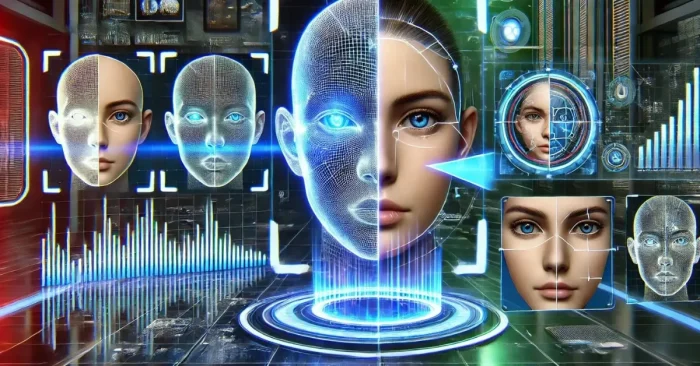
AI detection tools analyze textual and multimedia cues using machine learning models, natural language processing (NLP), and statistical features to assess authorship. They examine linguistic patterns, metadata, and anomaly signals to estimate AI involvement. As AI content generators become more capable, detectors help maintain transparency, authenticity, and trust across education, publishing, journalism, and research. This is increasingly important as institutions adopt tools like Ai Content Generation Tool to manage sourcing and originality.
How AI Detection Tools Work
AI detection tools scan text and media for characteristic patterns, signals, and artifacts that may indicate AI authorship. They often provide a probability score or confidence level indicating how likely the content is AI-generated.
Applications in Education
As AI writing assistants become mainstream, concerns about academic integrity rise. Schools and universities increasingly rely on detection tools to ensure assignments reflect the student’s own work, helping maintain fairness in education. Some institutions also pair detectors with AI tools for plagiarism checking to strengthen originality policies.
Use in Journalism and Media
With deepfakes and AI-generated content on the rise, verifying authenticity is more important than ever. Journalists rely on AI detection tools to vet articles, images, and videos before publication, helping combat misinformation and protect newsroom credibility. Some outlets also explore AI tools for journalism writing to support reporting while maintaining verification standards.
Business and Corporate Applications
Businesses use AI detection tools to ensure that marketing materials, product descriptions, and reports are original. They also help detect fraudulent customer feedback that may be automatically generated, safeguarding brand reputation and consumer trust. In practice, many teams combine detectors with plagiarism checking tools to enforce originality across documents.
Cybersecurity Benefits
Cybercriminals are increasingly using AI to craft phishing emails, fake websites, and deceptive messages. AI detection tools play a critical role in cybersecurity by spotting suspicious content and helping prevent scams before they spread widely. Some organizations integrate these tools into security operations centers to monitor real-time content streams.
Challenges in AI Detection
One of the biggest challenges is the rapid pace of AI advancement. As generative models improve, detectors must continually adapt. False positives (human content flagged as AI) and false negatives (AI content that goes undetected) remain concerns. No tool is 100% accurate, and human review is still essential for high-stakes decisions.
Examples of AI Detection Tools
Popular tools include Turnitin’s AI Writing Detector, GPTZero, Copyleaks, and Writer.com’s AI Content Detector. These platforms are used in schools, businesses, and publishing to analyze content. Many of them provide a confidence percentage to help users make informed decisions.
The Ethical Debate
AI detection tools spark debate about privacy, fairness, and responsibility. While they help maintain authenticity, some argue they can unfairly penalize students or writers if the detection is inaccurate. Balancing technology with human judgment is essential for ethical use.
The Future of AI Detection Tools
As AI continues to evolve, detection tools will become smarter and more accurate. Emerging systems may integrate blockchain for content provenance, real-time monitoring for online platforms, and advanced models that can detect increasingly subtle patterns. The goal remains to create a safe, transparent, and trustworthy digital environment where humans and AI coexist responsibly, with humans retaining oversight where it matters most. By 2025 and beyond, adoption is expected to grow across education, media, and business sectors as detectors become more integrated into workflows.
FAQs on AI Detection Tools
1. How accurate are AI detection tools?
Most tools are fairly accurate but not perfect. Accuracy depends on the tool’s algorithm and the complexity of the AI-generated content. Many provide probability scores rather than absolute answers.
2. Can AI detection tools identify all types of AI content?
No, they cannot detect everything. While effective for text and images, some highly advanced AI-generated media may bypass detection. Continuous updates are needed to improve reliability.
3. Are AI detection tools free to use?
Some platforms offer free versions with limited features, while advanced tools for businesses and institutions often require paid subscriptions for full functionality.
4. Do AI detection tools work in multiple languages?
Yes, many AI detection tools support multiple languages, but their accuracy can vary depending on the language and available training data.
AI detection tools are increasingly essential in the digital landscape. They help ensure authenticity, protect academic and professional integrity, and combat misinformation. While challenges remain, ongoing improvements point toward a more transparent and secure digital future.