
Overview
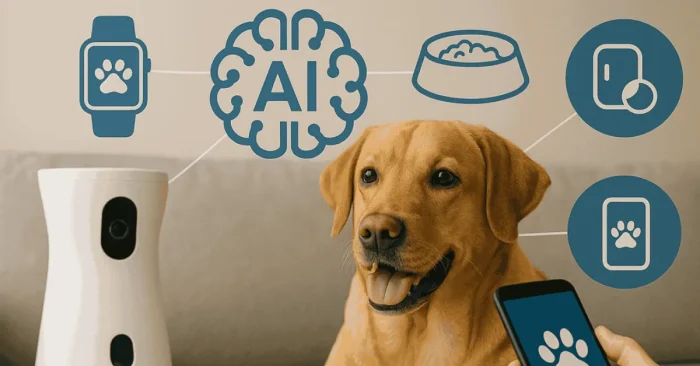
AI tools for pet care are reshaping how owners monitor, train, and look after their pets. These tools rely on machine learning, smart sensors, and mobile apps to track health, detect unusual behaviors, and tailor diets, with personalization similar to AI tools for meal planning. AI also helps with scheduling vet visits, planning exercise routines, and delivering real-time updates on a pet’s well-being. From automatic feeders to AI-powered cameras, these innovations make pet ownership easier and more proactive. By continuously capturing data and feedback, they support everyday care while reinforcing data-driven decision making for healthier, happier pets. For broader context on real-time health data, explore AI tools for patient monitoring.
1. AI in Pet Health Monitoring
AI-powered devices monitor a pet’s health by tracking heart rate, temperature, sleep quality, respiration, and daily activity. These tools analyze the data to detect early signs of illness or discomfort and can flag subtle changes that humans might miss. For example, a sudden drop in activity or a rise in resting heart rate could indicate fatigue, stress, or health issues. Many apps send real-time alerts to pet owners, enabling swift action. By sharing data with veterinarians through secure platforms, AI helps doctors understand a pet’s lifestyle and medical history more comprehensively. This ongoing monitoring supports preventive care and timely interventions, contributing to healthier, longer lives.
2. AI for Smart Feeding
AI-enabled feeders automate meal times and control portion sizes based on the pet’s age, weight, and dietary needs. These systems track how much food a pet consumes and adjust portions to prevent overeating or underfeeding. Some smart feeders can even identify the pet using facial recognition and dispense food accordingly, ensuring fairness in multi-pet households. AI also provides nutritional recommendations, suggesting diets that improve overall health and energy. By analyzing eating patterns, it can detect appetite changes that may indicate health problems. This smart feeding approach promotes balanced nutrition and supports long-term well-being. For practical guidance on tailored dietary plans, see AI tools for meal planning.
3. AI in Pet Behavior Analysis
AI tools use cameras and sensors to study pet behavior, detecting stress, anxiety, or unusual activities. For instance, constant barking or scratching might indicate emotional distress or discomfort. These tools provide insights into behavior patterns, helping owners identify triggers and improve pet training. Some AI apps suggest playtime routines, calming techniques, or new toys to reduce stress. Additionally, AI-powered collars and trackers monitor outdoor movements, ensuring pets stay safe. With this technology, owners can better understand their pets’ emotions, improve bonding, and create a healthier living environment that supports both mental and physical well-being.
4. AI for Pet Training
AI-based training apps and devices help pet owners teach commands, improve obedience, and correct unwanted behaviors. These tools use positive reinforcement methods, such as sound cues or reward systems, to guide pets during training sessions. Advanced AI apps customize training plans based on a pet’s breed, age, and temperament, ensuring more effective results. Some systems also track progress and adapt exercises as the pet improves. For busy owners, AI-powered interactive toys can keep pets engaged and mentally stimulated throughout the day. This makes training easier, faster, and more enjoyable, creating well-behaved and happier pets.
5. AI in Veterinary Support
AI assists veterinarians by analyzing medical records, lab results, and lifestyle data to provide accurate diagnoses and treatment plans. This approach mirrors capabilities described in AI tools for patient monitoring, enabling predictive insights and timely interventions. Some platforms use predictive analytics to anticipate potential health risks, enabling preventive care. AI also supports telemedicine, allowing owners to consult with vets remotely and share real-time health data from smart devices. This reduces unnecessary visits and ensures timely interventions. For chronic conditions like diabetes or arthritis, AI can track symptoms and recommend lifestyle changes. By combining technology with professional expertise, AI enhances veterinary care, improves efficiency, and ensures pets receive the best possible treatment at the right time.
6. AI in Pet Safety and Tracking
AI-powered GPS trackers and smart collars keep pets safe by monitoring their location and movements. These tools send instant alerts if a pet leaves a designated safe zone, helping prevent loss or accidents. Some advanced trackers even analyze walking patterns to identify injuries or health concerns. AI integrates with smartphones, allowing owners to check location and activity history anytime. In case of emergencies, these tools provide quick directions to locate pets. This real-time monitoring not only gives peace of mind to pet owners but also ensures that pets remain safe, active, and well-protected in all environments.
7. AI for Personalized Diet Plans
AI tools tailor a pet’s diet by considering age, breed, weight, activity level, and medical history to propose balanced, breed- and life-stage–appropriate meals. They track daily intake and feeding times to ensure consistency and prevent over- or underfeeding. Some apps flag potential deficiencies and suggest targeted supplements, while others automatically adjust portion sizes as the pet grows or as activity changes. Advanced systems also screen ingredients for common allergies and interactions with medications. With continuous monitoring and data integration from vet records and food databases, these tools support optimal immunity, growth, and energy, making AI a core component of dietary management for pets. For broader guidance on dietary planning, see AI tools for diet planning.
8. AI in Pet Entertainment
AI-powered toys and interactive gadgets keep pets entertained, active, and mentally stimulated. These devices use sensors and cameras to adapt playtime according to a pet’s mood and activity level. For example, an AI toy can move unpredictably to mimic prey, engaging a cat’s hunting instincts. Some devices even allow remote play, enabling owners to interact with their pets while away from home. AI also suggests games and activities based on pet preferences, preventing boredom and reducing destructive behavior. With smart entertainment, pets stay happy and engaged, while owners gain peace of mind knowing their pets are well cared for.
(FAQs)
Q1: Are AI pet care tools a replacement for veterinarians?
No, AI supports pet care and monitoring but cannot replace professional veterinary advice and treatment.
Q2: Do AI pet care devices work for all types of pets?
Yes, many AI tools are designed for dogs and cats, but some also support birds, fish, and small animals.
Q3: Are AI pet care apps expensive?
Basic apps are often affordable, while advanced devices with monitoring and tracking features may cost more but offer long-term benefits.
Learn More About AI Course AI Course