
Overview
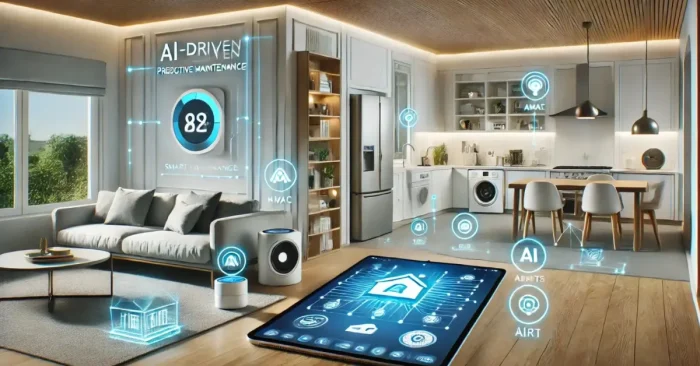
As of 2026, AI tools for smart homes are becoming even more integral to everyday living, making households more efficient, secure, and convenient. These tools use artificial intelligence to automate daily tasks, optimize energy use, enhance safety, and personalize experiences across devices. From voice assistants and smart thermostats to automated lighting and security systems, AI-enabled ecosystems stay connected, learning habits, predicting needs, and adjusting settings in real time. Modern smart homes powered by AI not only save time but also drive energy efficiency and resilience. Whether for entertainment, comfort, or sustainability, AI-driven smart homes integrate innovation into daily life. For a broader look at how AI tools integrate into everyday life, see AI Tools for Everyday Life.
1. AI in Smart Assistants
Voice-activated AI assistants like Alexa, Google Assistant, and Siri help control devices, set reminders, and answer questions. These assistants act as the central hub of smart homes, providing hands-free convenience for daily tasks and entertainment. For additional automation capabilities, explore AI tools for virtual assistants.
2. AI for Smart Security Systems
AI enhances home security through intelligent cameras, motion sensors, and facial recognition. These systems detect suspicious activity, send alerts, and even differentiate between family members and strangers to improve safety and reduce false alarms.
3. AI in Energy Management
AI-powered smart thermostats and appliances analyze usage patterns to optimize energy consumption. They adjust temperature settings, recommend energy-saving practices, and reduce bills while maintaining comfort and sustainability within the home. Learn more about practical strategies in AI tools for energy optimization.
4. AI for Smart Lighting
AI tools automate lighting systems, adjusting brightness and color based on time of day or user activity. They create personalized moods, improve sleep cycles, and contribute to overall energy efficiency in households.
5. AI in Home Entertainment
AI integrates with smart TVs and sound systems to recommend movies, music, and shows tailored to user preferences. It enhances entertainment experiences by providing personalized content suggestions and voice-controlled streaming.
6. AI for Predictive Maintenance
Smart appliances use AI to monitor performance and detect faults early. Predictive maintenance alerts homeowners about potential breakdowns, reducing repair costs and extending the lifespan of household devices and systems.
7. AI in Smart Kitchen Devices
AI-enabled kitchen gadgets suggest recipes, automate cooking processes, and monitor food storage. From smart refrigerators to cooking assistants, these devices bring convenience and innovation into daily meal preparation.
8. AI for Elderly and Disability Support
Smart home AI provides assistance for elderly and disabled individuals through voice control, health monitoring, and automated systems. It enhances independence and safety, ensuring a more comfortable living environment.
9. AI in Climate and Air Quality Control
AI monitors indoor air quality and adjusts ventilation, humidity, and temperature automatically. These systems improve health and comfort by maintaining a clean and balanced indoor environment at all times. This approach aligns with energy-optimized environmental controls described in AI tools for energy optimization.
10. AI for Integrated Smart Ecosystems
AI connects all smart devices into a unified ecosystem, enabling seamless communication between appliances. This integration ensures better efficiency, centralized control, and a fully automated home environment tailored to user needs.
(FAQs)
Q1: Are AI smart home tools expensive?
Initial costs can be high, but they reduce energy bills and maintenance costs over time, making them cost-effective.
Q2: Can AI smart homes work without the internet?
Some features work offline, but most AI tools require internet connectivity for real-time updates and cloud-based intelligence.
Q3: Are AI smart homes safe from hackers?
Yes, with strong encryption, regular updates, and secure networks, AI smart homes can be kept safe from cyber threats.
Learn More About AI Course AI course on Learn AI
For a broader look at AI tools in daily living, see AI Tools for Everyday Life.