
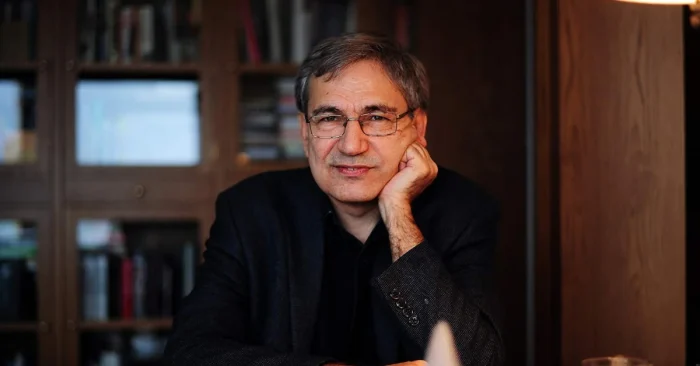
Orhan Pamuk – Biography
Early Life and Education of Orhan Pamuk
Orhan Pamuk was born on June 7, 1952, in Istanbul, Turkey, into a wealthy and secular family. Raised in the vibrant and historically rich city of Istanbul, Pamuk developed an early fascination with its complex culture, layered history, and East-meets-West identity. His family’s Westernized lifestyle exposed him to both Turkish and European influences, shaping his future literary voice. As a child, Pamuk initially dreamed of becoming a painter, spending countless hours drawing and painting. However, his path shifted toward writing during his university years. He studied architecture at Istanbul Technical University but eventually abandoned it to pursue journalism at Istanbul University, where he graduated with a degree in journalism in 1977. Though he never worked as a journalist, his studies contributed to his sharp observational skills and nuanced storytelling. His early exposure to both Turkish and European influences helped shape a cosmopolitan sensibility, a trait often compared with the work of Ian McEwan and Kazuo Ishiguro.
Early Writing Career and First Novels
After completing his studies, Pamuk fully committed to writing, choosing a reclusive lifestyle to focus on his craft. His first novel, “Cevdet Bey and His Sons,” published in 1982, chronicled the lives of a wealthy Istanbul family across generations, earning him critical acclaim in Turkey. The book established Pamuk as a promising new voice in Turkish literature. His subsequent novels, such as “The Silent House” and “The White Castle,” expanded his reputation, blending historical fiction with philosophical and cultural exploration. Pamuk’s writing style, characterized by rich detail, introspection, and a deep sense of place, quickly distinguished him as a unique literary talent capable of bridging cultural divides.
International Breakthrough with My Name Is Red
Pamuk’s international breakthrough came with the 1998 publication of “My Name Is Red.” Set in 16th-century Istanbul, the novel weaves a complex narrative involving miniature painters, murder, love, and art. Its intricate plot and exploration of cultural identity, tradition, and artistic freedom captivated readers worldwide. “My Name Is Red” received widespread critical praise and won several international awards, firmly establishing Pamuk as a global literary figure. The novel’s blend of mystery, history, and philosophy showcased Pamuk’s ability to craft deeply intellectual yet emotionally resonant stories that appeal to readers across different cultures. This achievement places him among other internationally acclaimed authors such as Paulo Coelho and Colson Whitehead.
Snow and Growing Global Recognition
In 2002, Pamuk published “Snow,” a politically charged novel exploring secularism, Islamism, and cultural tensions in modern Turkey. Set in the remote city of Kars, the novel follows a poet navigating complex political and personal landscapes. “Snow” received international acclaim for its timely examination of Turkey’s struggle between tradition and modernity, East and West. The novel’s success broadened Pamuk’s audience and further solidified his reputation as one of the most significant contemporary novelists addressing global cultural conflicts through deeply personal narratives. His influence sits alongside other contemporary authors such as Paulo Coelho and Colson Whitehead.
Nobel Prize and Controversy
In 2006, Orhan Pamuk was awarded the Nobel Prize in Literature, becoming the first Turkish author to receive the honor. The Nobel Committee praised his ability to uncover new symbols for the clash and interlacing of cultures. However, Pamuk’s outspokenness on sensitive topics, including the Armenian Genocide and Kurdish issues, often placed him at odds with Turkish authorities and segments of Turkish society. He faced legal charges and public backlash, which sparked international concern over freedom of expression in Turkey. Despite controversy, Pamuk remained steadfast in his commitment to exploring Turkey’s complex history and identity through his writing.
Later Works and Continued Influence
Pamuk continued to produce acclaimed works following his Nobel Prize. Novels like “The Museum of Innocence” (2008) blended romance, memory, and the culture of Istanbul, while his nonfiction work “Istanbul: Memories and the City” offered a personal reflection on his deep connection to his birthplace. In 2016, he published “A Strangeness in My Mind,” focusing on the life of a street vendor, once again capturing Istanbul’s evolving identity. Pamuk’s work consistently reflects his fascination with memory, identity, and the interplay between personal and political history. His ability to make Istanbul itself a central character in his stories remains one of his signature strengths. Ian McEwan’s and other prominent literary profiles have similarly highlighted the cross-cultural resonance of his narratives.
Personal Life and Legacy
Orhan Pamuk has been married once and has a daughter. Though his personal life remains relatively private, he continues to divide his time between Istanbul and New York, where he has taught at Columbia University. Pamuk’s influence extends beyond literature; he has become a cultural ambassador who bridges Eastern and Western literary traditions. His novels are translated into more than 60 languages, making him one of the most widely read contemporary authors in the world. Through his thoughtful exploration of history, culture, and identity, Pamuk has created a body of work that resonates far beyond Turkey, inviting global readers into the rich complexities of his homeland.
Conclusion
Orhan Pamuk’s literary journey remains a lifelong exploration of identity, memory, and culture, rooted in Istanbul but resonating worldwide. From his early days in the city to global recognition, his novels offer readers a window into Turkey’s evolving social landscape while addressing universal questions of belonging and imagination. By blending intimate storytelling with sharp cultural commentary, Pamuk has cemented his place among the most influential voices of contemporary literature. Today, his work continues to challenge, inspire, and connect readers across continents, reflecting ongoing conversations about history, modernity, and freedom of expression.
Frequently Asked Questions (FAQs)
What is Orhan Pamuk best known for?
He is best known for novels like “My Name Is Red,” “Snow,” and “The Museum of Innocence,” which explore Turkish history, identity, and culture.
Has Orhan Pamuk won the Nobel Prize?
Yes, he won the Nobel Prize in Literature in 2006, becoming the first Turkish author to receive the honor.
Why is Orhan Pamuk’s work controversial in Turkey?
His outspoken views on sensitive historical and political issues, including the Armenian Genocide, have sparked controversy and legal challenges in Turkey.
Where does Orhan Pamuk live?
He lives primarily in Istanbul but also spends time in New York, where he has taught at Columbia University.
What themes are central to Pamuk’s writing?
His work often explores memory, identity, East-West relations, politics, and the cultural complexity of Istanbul.