Overview
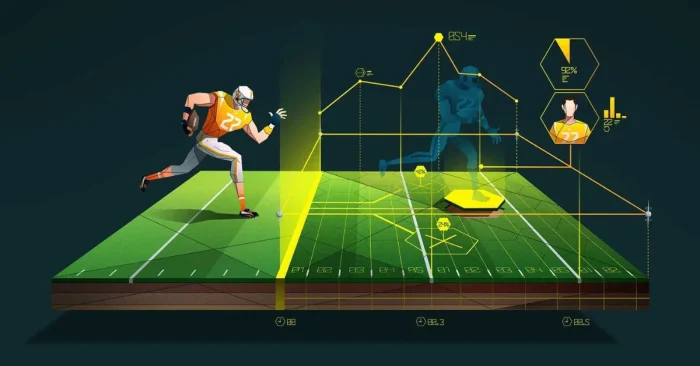
AI tools for athlete performance are revolutionizing sports by providing real-time analytics, predictive insights, and customized training programs. These tools use machine learning, motion tracking, and biometric data to monitor strength, endurance, recovery, and injury risks. From wearables to advanced platforms, AI transforms how athletes train and compete. If you’re curious how consumer wearables track workouts, see our guide on AI tools for workout tracking.
By analyzing heart rate, sleep, and physical activity, AI ensures optimal performance while preventing overtraining. For more detailed heart-rate analysis, check out AI tools for heart rate monitoring. Popular tools like Catapult, WHOOP, and STRAVA empower athletes with actionable data for improvement. For trainers and teams leveraging data-driven coaching, see AI tools for fitness trainers. Whether for professional athletes or fitness enthusiasts, AI-driven performance tools make sports more efficient, safe, and results-oriented.
1. Catapult Sports AI in Performance Tracking
Catapult Sports uses AI-powered wearable devices to monitor athlete movement, workload, and biomechanics. Coaches gain valuable insights into performance trends, training intensity, and injury risks. With detailed reports, athletes can optimize sessions for better results while avoiding overtraining. This helps maximize performance efficiency in team and individual sports.
2. WHOOP AI for Recovery Monitoring
WHOOP applies AI to analyze sleep quality, recovery levels, and daily strain. By collecting heart rate variability, respiratory rate, and activity patterns, it provides a readiness score. This helps athletes balance intense training with recovery, ensuring peak performance without compromising health. For broader sleep and recovery insights, see AI tools for sleep analysis.
3. STRAVA AI for Training Analysis
STRAVA integrates AI to evaluate running, cycling, and swimming performance. It tracks pace, endurance, and distance while providing personalized recommendations for improvement. The platform also builds a supportive community, allowing athletes to compare performance and stay motivated with data-driven insights. For more granular heart-rate metrics during training, check AI tools for heart rate monitoring.
4. Kitman Labs AI for Injury Prevention
Kitman Labs uses AI to analyze biomechanics, workload, and health data, predicting potential injury risks. It helps athletes and coaches adjust training plans before injuries occur. This proactive approach supports long-term health, consistency, and improved athletic performance across different sports. This proactive approach can be complemented by AI tools for rehabilitation exercises to support recovery planning.
5. Zone7 AI for Predictive Performance
Zone7 applies AI algorithms to predict fatigue, stress, and performance dips. It alerts coaches when athletes need rest or adjustments in training intensity. This ensures high performance levels are maintained while minimizing burnout and reducing injury-related setbacks.
6. Athos AI in Wearable Muscle Tracking
Athos smart clothing integrates AI sensors that measure muscle activity in real time. Athletes gain insights into which muscles are activated during workouts, helping refine technique. This enables efficient training, reduces energy waste, and prevents injuries caused by poor form or imbalance.
7. OmegaWave AI for Readiness Testing
OmegaWave evaluates an athlete’s physiological readiness using AI analysis of the heart, brain, and muscular systems. It provides daily readiness scores, guiding training intensity. Athletes and coaches use this information to optimize performance while respecting recovery needs.
8. TrainHeroic AI for Personalized Coaching
TrainHeroic combines AI analytics with coaching tools to create personalized training programs. It tracks performance data and suggests workout adjustments in real time. Both individual athletes and teams benefit from improved efficiency, accountability, and structured progression in training. For broader coaching resources, see AI tools for fitness trainers.
9. Hawkin Dynamics AI for Strength Testing
Hawkin Dynamics leverages AI with force plates to measure jump performance, power output, and explosiveness. Coaches use this data to design strength and conditioning programs. This ensures athletes build power systematically while monitoring progress scientifically.
10. Sparta Science AI for Movement Efficiency
Sparta Science uses AI to study movement patterns and detect inefficiencies that may lead to injuries. By providing personalized reports, it helps athletes improve stability, balance, and resilience. This supports long-term performance growth while reducing physical risks.
(FAQs)
Q1: Are AI athlete tools only for professionals?
No, tools like WHOOP and STRAVA are widely used by fitness enthusiasts, semi-professionals, and professional athletes alike.
Q2: Can AI tools replace human coaches?
No, AI complements coaching by providing data-driven insights, but human expertise and emotional guidance remain essential.
Q3: Do AI tools help reduce injuries?
Yes, many tools like Kitman Labs and Zone7 predict risks early, allowing proactive changes to avoid injuries.
Learn More About AI Course Learn more about the AI course