Overview
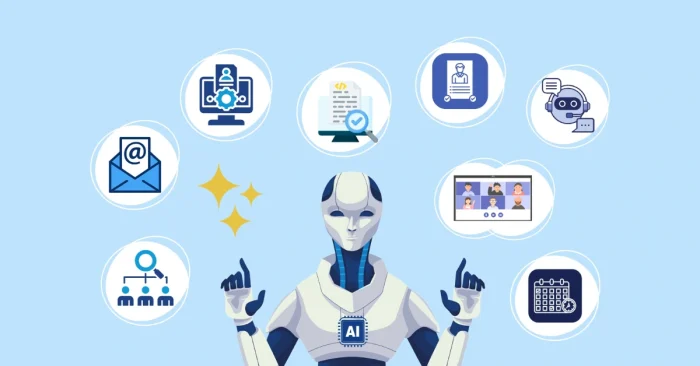
AI tools for HR and recruitment are reshaping the hiring landscape by automating repetitive tasks, improving candidate matching, and enabling data-driven decisions. These tools save time, reduce human bias, and streamline recruitment—from resume screening to interview scheduling. By analyzing large data sets and generating insights, agencies can identify top talent and anticipate future performance. With advanced analytics, chatbots, and end-to-end automation, agencies deliver better experiences for both candidates and employers. AI-driven recruitment supports quality hires at scale while helping manage costs.
1. AI in Resume Screening
Recruitment agencies receive thousands of resumes for a single role, making manual screening time-consuming. AI tools automate this process by scanning resumes quickly and shortlisting candidates who match job requirements. They use natural language processing (NLP) to analyze keywords, skills, and experience levels, ensuring only relevant applications are considered. This not only saves recruiters hours of effort but also minimizes errors caused by fatigue. Moreover, AI screening reduces unintended bias, creating fairer opportunities for candidates. By identifying the most qualified applicants efficiently, agencies can focus on relationship-building and faster placements. For more details, see our dedicated guide on AI tools for resume screening.
2. AI for Candidate Matching
AI-powered platforms enhance recruitment by matching candidates with job roles more accurately. Instead of relying solely on keywords, these tools analyze work history, skills, and even cultural fit. Machine learning algorithms learn from successful hires to recommend candidates who are more likely to succeed. Recruitment agencies benefit from higher placement success rates and reduced turnover. Matching technology also speeds up the hiring cycle by connecting employers with top talent faster. This ensures a positive experience for both candidates and businesses. In competitive industries, AI-driven matching provides agencies with a significant edge over traditional recruitment methods. For more depth, see our article on AI tools for talent acquisition.
3. AI Chatbots for Candidate Engagement
Recruitment agencies often struggle to maintain consistent communication with large volumes of candidates. AI chatbots solve this problem by engaging candidates 24/7 on websites, job boards, or messaging apps. These bots answer FAQs, provide job updates, and guide applicants through the process. By offering instant responses, AI chatbots improve candidate experience while reducing recruiters’ workload. They also collect useful information such as availability, preferences, and skills, which can be used to refine matching. With natural language processing, conversations feel human-like, keeping candidates engaged. This proactive communication builds trust and enhances the agency’s reputation in the job market. For broader engagement strategies, see our articles on AI tools for interview preparation and AI tools for LinkedIn networking.
4. AI in Interview Scheduling
Coordinating interview timings between recruiters, candidates, and employers can be a tedious task. AI tools simplify this by analyzing schedules and suggesting optimal time slots automatically. They integrate with calendars and send reminders to reduce no-shows. Some platforms even reschedule interviews dynamically if conflicts arise, saving time and frustration. Recruitment agencies benefit from reduced administrative burden and smoother processes. Candidates also appreciate the convenience of automated scheduling, which enhances their overall experience. By streamlining logistics, AI allows recruiters to concentrate on evaluating candidate quality rather than handling scheduling issues, making the hiring process faster and more efficient. For a broader view on end-to-end recruitment optimization, see AI tools for HR and recruitment.
5. AI for Skill Assessments
AI-driven assessment platforms allow recruitment agencies to evaluate candidates beyond resumes. These tools test technical, cognitive, and soft skills through simulations, quizzes, and AI-based assessments. They provide unbiased scoring and detailed reports, ensuring accurate evaluation of candidate capabilities. By using predictive analytics, AI can forecast how candidates will perform in specific job roles. This improves the quality of hires and reduces the chances of mismatches. Recruitment agencies benefit by offering employers stronger candidates with proven competencies. For candidates, AI assessments provide a fair opportunity to showcase their skills. This leads to smarter hiring decisions and better long-term results.
6. AI in Diversity Hiring
Diversity and inclusion are critical goals for modern businesses. AI helps recruitment agencies achieve these by removing unconscious human biases from the hiring process. Tools anonymize resumes by hiding names, gender, or photos and evaluate candidates based on skills and experience only. Machine learning ensures a wider talent pool is considered, promoting fair opportunities for all applicants. Agencies using AI for diversity hiring can provide clients with more inclusive teams, which improves creativity and innovation in the workplace. Additionally, employers gain stronger reputations as fair recruiters. By prioritizing equality, AI contributes to ethical and socially responsible hiring practices.
7. AI for Predictive Analytics
Predictive analytics in AI empowers recruitment agencies to forecast hiring outcomes. By analyzing past hiring data, performance trends, and retention rates, AI can predict which candidates are likely to succeed long-term. This reduces the risk of wrong hires and improves employer satisfaction. Predictive models also highlight potential future talent needs, allowing agencies to plan proactively. With data-driven decision-making, recruiters move away from guesswork and base strategies on measurable insights. This enhances efficiency and ROI for both agencies and employers. Ultimately, predictive analytics ensures recruitment processes are not only faster but also smarter, leading to better placements overall. For more context on how data shapes talent strategies, check out AI tools for talent acquisition.
8. AI for Employer Branding
Recruitment agencies also benefit from AI in building stronger employer branding for their clients. AI tools analyze candidate feedback, job market trends, and social media sentiment to recommend strategies for improving employer reputation. By showcasing positive company culture and highlighting employee success stories, AI enhances a brand’s appeal. Strong employer branding attracts better candidates and reduces hiring costs. Recruitment agencies can use these insights to advise clients effectively, positioning themselves as strategic partners. In today’s competitive market, employer branding plays a crucial role, and AI ensures agencies deliver impactful results that improve visibility and long-term hiring success. For more on branding and candidate perception, see our article on AI tools for HR and recruitment.
9. AI in Background Verification
Background checks are essential in recruitment but can be slow and resource-intensive. AI streamlines this process by quickly validating candidate information such as work history, education, and references. It cross-references multiple databases to detect inconsistencies or potential risks. Automated background verification saves time for recruitment agencies while ensuring accuracy and compliance. Employers gain confidence knowing that candidates have been thoroughly vetted. AI also reduces fraud and enhances security in hiring. By offering fast and reliable verification, agencies improve trust with both clients and candidates. This efficiency strengthens their reputation and provides a competitive advantage in recruitment services. For a broader look at verification and screening processes, see AI tools for resume screening.
10. AI for Performance Tracking
AI doesn’t stop at the hiring stage; it also tracks the performance of placed candidates. By analyzing metrics such as productivity, retention, and job satisfaction, AI provides valuable feedback to recruitment agencies. These insights help refine future hiring strategies and improve candidate recommendations. Agencies can demonstrate added value to employers by offering ongoing performance data. For candidates, this feedback loop can identify areas of professional development. Performance tracking ensures agencies make data-driven improvements over time, enhancing long-term success. With AI, recruitment is no longer just about filling roles but about ensuring sustainable career and business growth. For a broader look at data-driven talent strategies, see AI tools for talent acquisition.
(FAQs)
1. Can AI replace human recruiters?
No. AI automates repetitive tasks, but human judgment, empathy, and relationship-building remain essential in recruitment.
2. Do AI tools reduce hiring costs?
Yes. By speeding up processes and improving match quality, AI reduces both time-to-hire and overall recruitment expenses.
3. Are AI recruitment tools suitable for small agencies?
Yes. Many AI tools offer scalable and affordable solutions that fit the needs of both small and large recruitment agencies.
Learn More About AI Course AI course