Overview
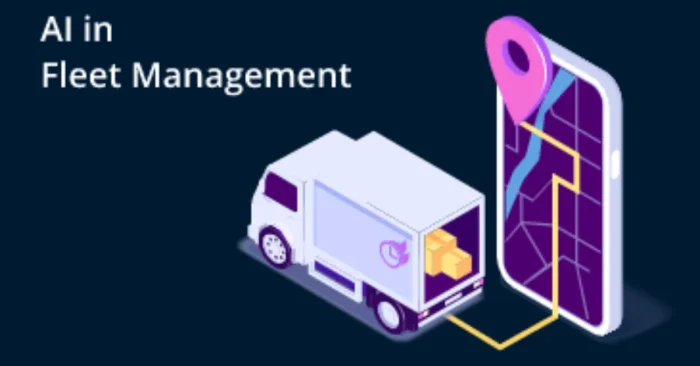
AI tools for fleet management are transforming how companies monitor, maintain, and optimize their transportation operations. These tools use artificial intelligence to provide real-time tracking, predictive maintenance, route optimization, and fuel efficiency insights. By analyzing vehicle and driver data, AI helps businesses reduce operational costs, improve safety, and increase productivity. Fleet managers can make smarter decisions with predictive analytics, automated reporting, and intelligent scheduling. As of 2025, AI-powered fleet management solutions have matured to integrate route planning, driver coaching, and seamless integration with shipping and supply chain workflows. For related topics, see AI tools for shipping optimization and AI tools for supply chain management. From logistics companies to service providers, AI-powered fleet management ensures better resource utilization and seamless coordination, making operations more efficient and sustainable.
1. AI in Real-Time Vehicle Tracking
AI-powered GPS systems allow fleet managers to monitor vehicle locations, speed, and routes in real time. This improves visibility and ensures better coordination between drivers and dispatchers. In practice, some fleets also pair real-time tracking with AI-powered traffic prediction to anticipate disruptions (AI tools for traffic prediction).
2. AI for Route Optimization
AI algorithms calculate the most efficient routes based on traffic, weather, and road conditions. This helps reduce travel time, fuel consumption, and operational costs. This approach is often integrated with AI tools for shipping optimization to improve delivery networks.
3. AI in Predictive Maintenance
AI tools analyze vehicle performance data to predict mechanical issues before they occur. This prevents costly breakdowns, minimizes downtime, and extends vehicle lifespan. This approach also supports broader supply chain resilience, a topic covered by AI tools for supply chain management.
4. AI for Fuel Efficiency
AI monitors driving behavior and fuel usage to suggest ways to improve efficiency. Fleet managers can reduce fuel costs and emissions by adopting AI-driven recommendations. This is particularly relevant as fleets transition to electric or hybrid powertrains, and you can explore broader energy-saving strategies in AI tools for energy optimization.
5. AI in Driver Behavior Monitoring
AI systems track driver habits such as harsh braking, overspeeding, or excessive idling. This improves driver accountability, enhances safety, and reduces accident risks. For insights on predicting traffic conditions that influence driver behavior, see AI tools for traffic prediction.
6. AI for Automated Dispatching
AI optimizes scheduling and dispatching by assigning the best-suited driver and vehicle for each job. This improves efficiency and reduces delays in deliveries or services. This aligns with broader supply chain optimization practices, such as AI tools for supply chain management.
7. AI in Safety & Compliance
AI helps ensure compliance with safety regulations by monitoring driver hours, vehicle inspections, and road safety guidelines. This reduces legal risks and ensures safer operations. AI tools for supply chain management can provide comprehensive risk and compliance analytics across the network.
8. AI for Data Analytics & Reporting
AI processes large amounts of fleet data to provide actionable insights. Fleet managers can use automated reports to make informed decisions and identify performance gaps. This analytics trend mirrors broader AI-enabled data strategies in cloud management.
9. AI in Cost Reduction
By optimizing routes, improving fuel usage, and reducing maintenance costs, AI significantly lowers operational expenses for fleet management companies. It can be complemented by energy optimization strategies (AI tools for energy optimization).
10. AI for Sustainability
AI encourages eco-friendly operations by minimizing fuel wastage, suggesting electric vehicle integration, and reducing the carbon footprint of fleets. For planning EV adoption and charging infrastructure, refer to AI tools for energy optimization.
(FAQs)
Q1: Can AI reduce fleet management costs?
Yes, AI reduces fuel expenses, maintenance costs, and operational inefficiencies, leading to significant cost savings.
Q2: Are AI fleet management tools suitable for small businesses?
Yes, AI tools are scalable and can benefit both small businesses with a few vehicles and large logistics companies with big fleets.
Q3: Do AI tools replace human fleet managers?
No, AI supports decision-making by automating repetitive tasks, but human expertise is still required for oversight and strategy.
Learn More About AI Course Learn AI course