As an Overview of AI Sketch to Photo
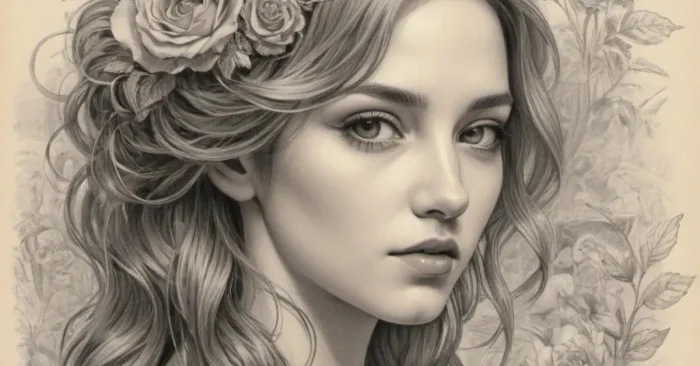
AI Sketch to Photo programs are changing digital creativity by turning hand-drawn sketches into lifelike images. By leveraging AI, these tools analyze outlines, shapes, and strokes to produce realistic colors, textures, and lighting in a final photo. This approach sits within the broader family of AI sketch-to-image tools, enabling artists to move from concept to visuals quickly. For an overview of related platforms, see AI Sketch To Image Tools.
What Exactly Is AI Sketch to Photo?
AI Sketch to Photo is a technology that converts nearly any rough sketch or outline to a realistic photo image using artificial intelligence algorithms. For example, AI Sketch To Image Tools.
How Is AI Sketch to Photo utilized?
These tools use deep learning models trained on large datasets to identify patterns in the sketch and generate images with realistic colors, textures, and lighting. This approach is similar to other AI design tools, such as AI Coloring Book AI and AI Artistic Design AI.
Why Does it Matter?
It enables artists, designers, and hobbyists to visualize ideas quickly and conveniently without requiring advanced photo-editing skills. It promotes creativity while accelerating the design process. For beginners, it’s a fast way to prototype visuals and compare results with traditional photo-editing workflows such as those discussed in AI vs Photoshop.
Key Features
- Transforms sketches into photorealistic images.
- Automatic coloring and shading.
- Texture and detail enhancement.
- Style customization for different looks.
- Fast rendering with AI algorithms.
- Supports both simple and complex sketches.
- Export options for digital and print use.
For a broader look at AI-assisted image editing, you can compare approaches in AI vs Photoshop.
Who Uses These Tools?
Artists, illustrators, graphic designers, architects, game developers, and students use AI Sketch to Photo tools to bring concepts to life. Educators and marketers also leverage these tools to prototype visuals and communicate ideas more quickly. For broader examples of AI-enabled creative workflows, see AI tools for digital art.
Benefits and Limitations
Advantages: Saves time, boosts creativity, requires no advanced editing skills, and produces professional-quality outputs.
Limitations: May misinterpret unclear sketches, some tools require internet connectivity, and premium versions may be costly. For designers exploring more capable workflows, see AI Artistic Design AI.
Industries That Benefit the Most
Entertainment, gaming, advertising, architecture, education, and fashion industries gain significant value from sketch-to-photo AI tools. In creative fields like fashion and digital art, these tools are becoming increasingly common, see AI tools for digital art.
Best Practices
- Use clean and clear sketches for accurate results.
- Experiment with multiple styles for creativity.
- Refine outputs with editing tools if needed.
- Leverage AI-generated results as a base for further design.
- Export in high resolution for professional use.
For more guidance on post-generation editing, see How To Edit Pictures With AI Tools.
Top 5 Tools
DeepArt
Transforms sketches into realistic photos with artistic styles powered by AI.
PaintsChainer
An AI coloring tool that turns sketches into vivid, detailed illustrations.
Sketch2Photo
Converts rough sketches into lifelike photos using deep learning models.
AI Picasso
Enhances hand-drawn sketches into creative, photo-real results with customizable styles.
Artbreeder
Blends sketches with AI to generate realistic faces, objects, and landscapes.
FAQs About AI Sketch to Photo
1. Can AI Sketch to Photo work with rough sketches?
Yes, but clearer sketches usually produce better and more accurate results.
2. Do I need artistic skills to use these tools?
No, anyone can use them; AI handles the complex details automatically.
3. Can I edit the results after AI generates them?
Yes, most tools allow further editing to refine or customize the final output.
4. Are AI Sketch to Photo tools free?
Many offer free versions, but advanced features and high-resolution exports are often paid.