Overview
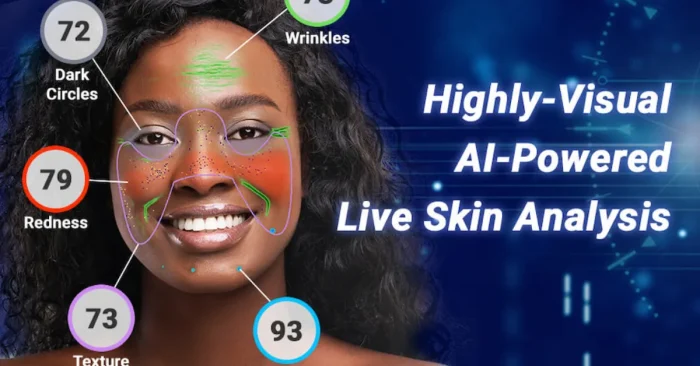
AI tools for skincare analysis are reshaping how people understand and care for their skin, leveraging artificial intelligence, computer vision, and dermatology data to assess acne, wrinkles, dark spots, and hydration. By uploading a selfie or scanning the face, AI delivers instant, personalized skincare recommendations, analyzing lifestyle factors, product ingredients, and environmental conditions to suggest routines and treatments. From beauty brands to dermatology clinics, AI-driven skincare solutions are increasing accessibility, accuracy, and customization. This technology empowers individuals to make informed choices for healthier, glowing skin. For broader exploration of AI-powered beauty tech, AI tools for makeup tutorials.
1. AI in Skin Condition Detection
AI-powered tools detect acne, fine lines, pigmentation, and other skin issues using image recognition. For example, the AI Face Aging Tool extends these capabilities by helping users visualize aging progression. They provide accurate results and help track improvements over time.
2. AI for Personalized Skincare Routines
Based on skin type, age, and concerns, AI generates customized skincare routines. These include cleansers, serums, and moisturizers tailored to individual needs, with adjustments for seasonal changes and lifestyle factors.
3. AI in Ingredient Analysis
AI evaluates skincare product ingredients to check for suitability, allergies, or harmful chemicals. This helps users choose safer and more effective products.
4. AI for Real-Time Skin Scans
With just a selfie, AI scans the skin for hydration, texture, and pore size. Results appear instantly, making analysis quick and convenient for users. This quick, real-time scanning approach complements services from AI tools for beauty salons, which tailor client analyses and product recommendations.
5. AI-Powered Virtual Dermatologists
Chatbots and virtual assistants powered by AI provide expert-like advice. They guide users on skincare routines, treatments, and product recommendations around the clock.
6. AI in Anti-Aging Analysis
AI tracks wrinkle depth, skin elasticity, and firmness. This helps users monitor aging signs and select treatments to maintain youthful, healthy skin. For broader clinical insights, some solutions integrate with professional guidance found in AI tools for healthcare professionals.
7. AI for Lifestyle & Environmental Insights
AI considers factors like diet, sleep, stress, and pollution levels. It provides holistic advice that combines skincare with lifestyle adjustments for better results. For examples of how AI blends personal care with other lifestyle tools, see AI tools for beauty salons.
8. AI in Skincare Product Matching
AI matches users with products best suited for their skin. It considers budget, brand preferences, and skin compatibility for better buying decisions. This capability is also a common feature in AI tools for beauty salons.
9. AI for Progress Tracking
AI tracks skin improvements through regular scans and photo comparisons. This motivates users and helps refine skincare routines over time. See how visualization tools like AI Face Aging Tool can complement progress tracking.
10. AI in Virtual Try-On Experiences
AI allows users to virtually try skincare and makeup products. This helps them see results before purchase, improving confidence and reducing returns. For practical demos, check out AI tools for makeup tutorials.
(FAQs)
Q1: Can AI replace dermatologists?
No, AI offers guidance and recommendations, but professional dermatologists provide medical expertise and treatments for serious skin conditions.
Q2: Is AI skincare analysis accurate?
Yes, AI tools are highly accurate when combined with dermatology data, but results may vary depending on lighting and image quality.
Q3: Do I need special devices for AI skincare analysis?
Not necessarily. Most AI skincare tools work with smartphone cameras, while advanced tools may use specialized skin scanners.
Learn More About AI Course https://buhave.com/courses/learn/ai/