AI Tools for Universities
Artificial Intelligence (AI) has transformed the way universities function, providing advanced solutions for teaching, research, administration, and student support. From streamlining admissions to enhancing learning experiences, AI tools play a crucial role in improving efficiency across academic institutions. As of 2024, AI adoption in higher education continues to expand, with universities piloting intelligent systems across curricula, campus operations, and student services. Below are some of the most impactful ways AI tools are being used in universities. For a broader overview, see our AI Tools for Academics.
1. AI in Admissions and Enrollment
Universities use AI-driven platforms to simplify the admission process. These tools can analyze thousands of applications in a short time, highlight the most suitable candidates, and even predict student success rates. For international students, AI tools also assist in checking document authenticity and ensuring compliance with admission policies. To learn more about AI tools tailored for admissions, see our AI tools for college applications article.
2. AI-Powered Virtual Classrooms
AI enhances digital learning by offering intelligent virtual classrooms. Platforms such as Coursera, Blackboard, Google Classroom, and Microsoft Teams for Education integrate AI to provide adaptive learning, personalized feedback, and improved collaboration between students and professors. Modern AI features—such as automated assessment insights and real-time language translation—support inclusive, engaging learning across both on-campus and online courses. This approach is further explored in our AI tools for e-learning platforms article.
3. AI Tools for Academic Research
Universities rely on AI-powered research tools like Semantic Scholar, Research Rabbit, and Scite.ai to explore scholarly databases, summarize findings, and track citations. These tools help researchers save time, identify patterns, and discover new insights in various academic fields. For researchers interested in broader AI-assisted research workflows, see our AI tools for PhD students and AI Tools for Research Papers guides.
4. AI in Thesis and Dissertation Writing
Students working on dissertations benefit from AI writing assistants such as Grammarly, Quillbot, and Wordtune. These tools improve grammar, sentence clarity, and academic tone. Additionally, AI-based plagiarism checkers like Turnitin and Copyscape ensure originality in academic submissions.
5. AI Tools for Data Analysis in Universities
Universities conduct large-scale research projects that involve massive datasets. In addition to traditional tools like MATLAB, IBM Watson, and RapidMiner, researchers increasingly combine AI-assisted analytics with open-source data science stacks (Python, R) to accelerate modeling, hypothesis testing, and visualization. This blend of AI and conventional analytics helps generate actionable insights and communicate findings clearly to diverse audiences. For more on AI-powered research support, see our AI tools for PhD students and AI Tools for Research Papers.
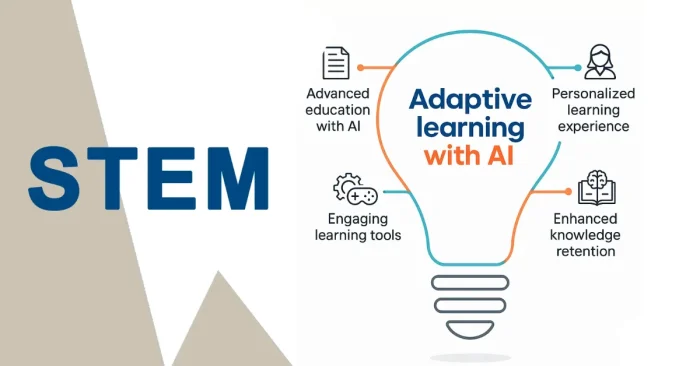
6. AI in Personalized Learning
AI-driven learning platforms like Socratic, Knewton, and Quizlet provide customized learning paths for students. These tools adjust the pace and content according to student performance, making education more inclusive and effective.
7. AI in Student Support Services
AI chatbots are widely used by universities to provide 24/7 support for students. Whether it’s answering queries about schedules, grades, or course registration, tools like Ivy.ai and HubSpot Chatbot help universities improve communication and student satisfaction.
8. AI for Faculty Assistance
Professors also benefit from AI tools for grading and lecture preparation. Tools like Gradescope automate assessment, while AI-powered content creation tools assist in preparing lecture slides, quizzes, and study material, saving valuable time for faculty.
9. AI in Campus Management
Universities use AI-driven security and management systems for better campus administration. From smart surveillance to resource allocation and predictive maintenance of infrastructure, AI ensures a safe and efficient environment for staff and students.
10. AI for Career Guidance and Placement
Universities employ AI tools such as Handshake and VMock to help students prepare for their careers. These platforms analyze resumes, suggest improvements, and even recommend career paths based on individual skills and interests.
FAQs
What are the main benefits of AI tools in universities?
AI tools improve efficiency in administration, enhance personalized learning, support research, and provide better career guidance to students.
Can AI replace teachers in universities?
No, AI is designed to assist rather than replace teachers. It supports educators by automating repetitive tasks, providing insights, and enhancing teaching methods.
Are AI tools affordable for universities?
Many AI tools come with educational discounts or open-source versions, making them accessible and cost-effective for universities.
Explore more about AI in higher education with our AI Tools for Academics course: AI Tools for Academics.